





An Artist Confronted On Stage
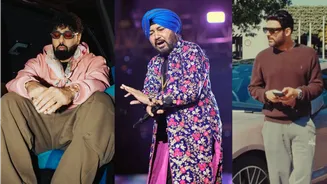
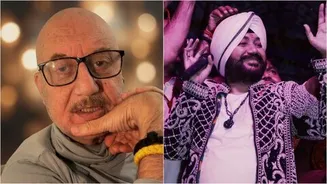
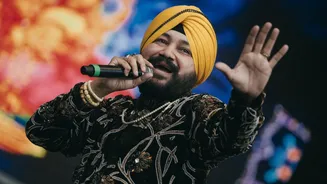
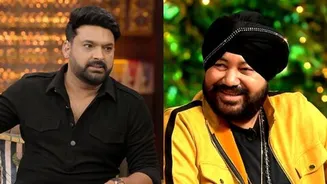
During a performance at a cultural fair in Uttarakhand, veteran singer Daler Mehndi was in the middle of his set when a state cabinet minister, Subodh Uniyal, walked on stage. In front of a live audience, the minister took the microphone and questioned
the quality of the performance, accusing the singer of being intoxicated. He stated that the audience deserved better and that the singer was 'making a fool' of them. The incident, captured on video, quickly spread, showing a visibly uncomfortable Mehndi being dressed down on his own stage. Supporters, including his brother Mika Singh and fellow artists, rushed to his defence, stating that Mehndi does not drink and had been unwell, performing against medical advice. The confrontation, however, had already turned a cultural event into a spectacle of humiliation.
A Painful Flashback to the IPL
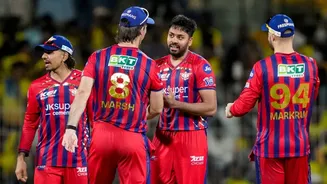
This public shaming immediately brought back memories of the IPL 2024 season. After a crushing 10-wicket loss, Lucknow Super Giants owner Sanjiv Goenka was filmed in a heated, one-sided conversation with his team's captain, KL Rahul, on the pitch. The visuals were stark: a visibly upset Goenka gesticulating and speaking animatedly while Rahul, a senior Indian cricketer, stood passively listening. The exchange happened in full view of stadium cameras and a global broadcast audience. Commentators noted that such discussions should happen behind closed doors. The incident sparked massive public outrage, with fans and former players condemning the owner's behaviour as a public humiliation of a respected athlete. It was seen not as constructive feedback, but as a public display of power that undermined the player's dignity.
The Common Thread: Power and Public Spectacle
In both cases, the core issue is the same: a person in a position of authority — an event organiser, a team owner — using their power to publicly reprimand a performer. Whether on a stage or a cricket field, the dynamic is one of an employer dressing down an employee in the most public forum imaginable. These are not conversations about accountability; they are displays of dominance. When feedback, which is essential in any profession, is delivered as a public spectacle, its purpose shifts from improvement to humiliation. It suggests that the person, be it an artist or an athlete, is merely a commodity whose value is solely determined by their last performance, and whose professional dignity is secondary to the funder's satisfaction.
A Culture of Disrespect?
These incidents force us to ask a difficult question: have we normalised the public shaming of our stars? The impulse to broadcast these confrontations, and the subsequent viral spread on social media, speaks to an appetite for drama that often overshadows empathy. For every person defending the artist or athlete, there are others who feel the public rebuke is justified, arguing 'they were paid, they should perform'. This transactional view ignores the human element. Artists and athletes are not machines. They have off days, they suffer from illness, and they feel the pressure of performance. A poor performance might merit a private, professional discussion about standards. But it should never be an invitation for public degradation. This trend of holding our heroes to impossible standards of perfection and then delighting in their public downfall is a toxic aspect of modern fandom and media culture.