


The End of the Off-Season
For years, the Indian travel calendar was predictable: summer for the mountains, winter for the beaches, and the monsoon for staying home. That pattern has officially been broken. Recent data from travel companies reveals a significant spike in rainy-season
tourism, with hotel bookings up by over 50% year-on-year and bus bookings soaring by as much as 140%. This isn't just a minor uptick; it's a fundamental change in how Indians are approaching their holidays. Travel industry leaders have noted that the monsoon is increasingly seen as a preferred travel period, not a lull. This shift is driven by a growing appetite for shorter, more frequent breaks and nature-based experiences that are at their peak during the rains. What used to be a quiet shoulder season is now a bustling, planned holiday window.
What's Driving the Downpour of Tourists?
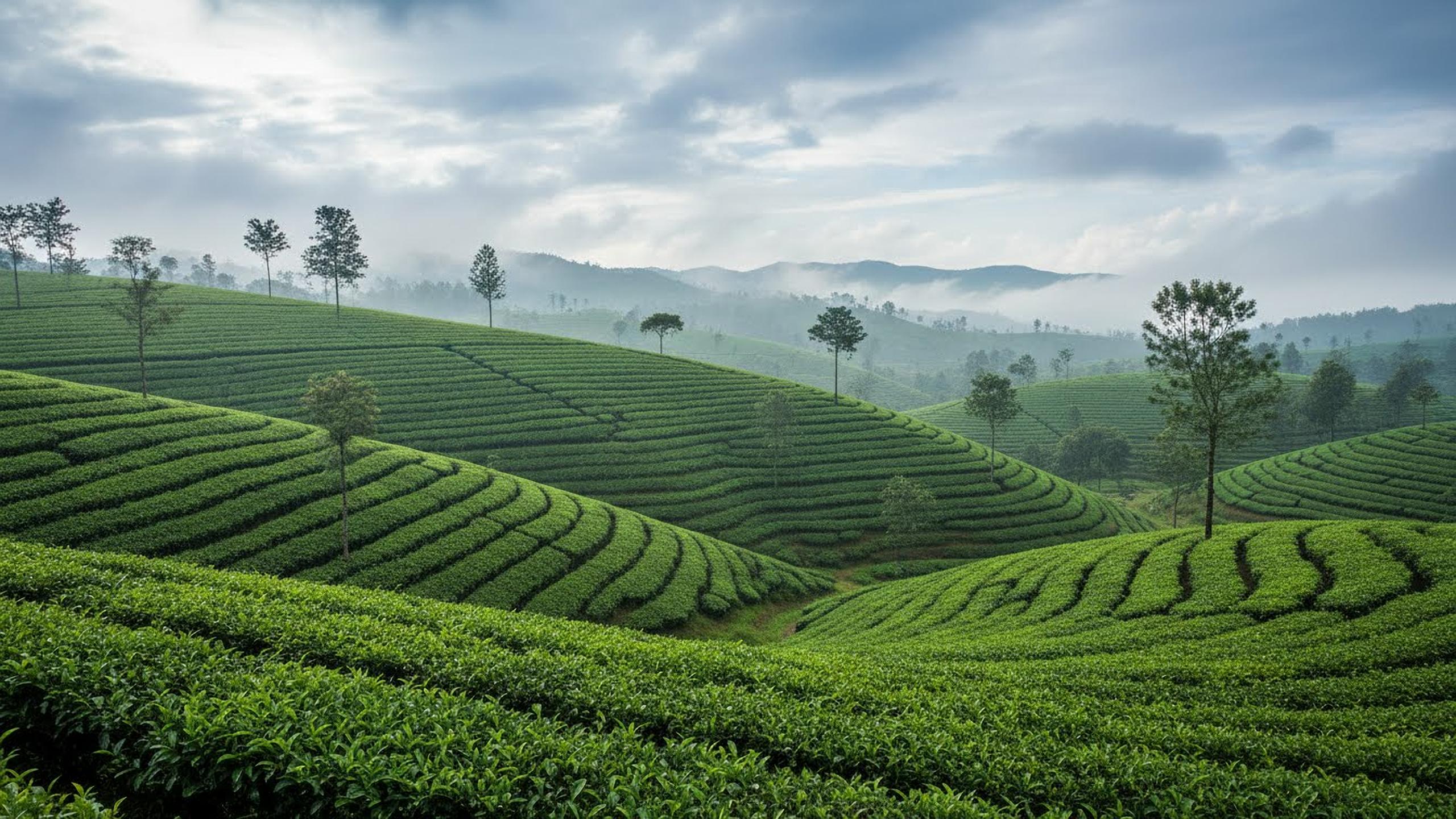
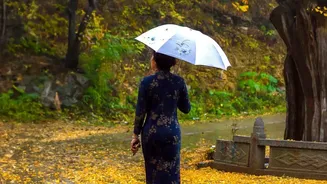
Several factors are fuelling this trend. Travellers are increasingly seeking authentic and immersive experiences over conventional sightseeing. The monsoon transforms familiar landscapes into lush, green spectacles, offering a unique sensory experience—from misty mountains and overflowing waterfalls to the scent of wet earth. This visual appeal is amplified on social media, turning rain-soaked vistas into desirable travel goals. Furthermore, travellers are becoming more intentional, planning trips around experiences like wellness, culture, and adventure rather than just destinations. The hospitality industry has responded with targeted marketing, offering attractive packages and discounts that make a monsoon trip more accessible. While peak season prices remain higher, the perceived value during the monsoon, with fewer crowds and lower costs, is a major draw.
Monsoon Hotspots: Where Are People Headed?
While the entire country takes on a fresh charm, certain regions have become monsoon favourites. Kerala remains a top choice, with destinations like Wayanad and Alleppey seeing booking growth of over 145% and 160% respectively. The Western Ghats are another hotspot, with hill stations in Maharashtra and Karnataka, such as Lonavala and Coorg, witnessing a nearly seven-fold increase in bookings compared to previous years. The Northeast has also emerged as a standout performer, with Nagaland and Arunachal Pradesh recording a more than 90% rise in hotel bookings. Even Rajasthan, traditionally a winter destination, is attracting tourists with its rain-washed palaces and green Aravalli hills, especially in cities like Udaipur. These destinations offer stunning landscapes, from misty tea gardens in Munnar to the dramatic living root bridges in Meghalaya.
The New Reality for Travellers
The growing popularity of monsoon travel has tangible consequences for anyone planning a trip. The notion of a cheap, last-minute rainy-day escape is fading. While deals can still be found, prices for flights and hotels on popular routes are becoming more resilient and are no longer dropping as significantly as they once did. In fact, high-demand short-haul flights to popular destinations are under strain, leading to price spikes, especially for spontaneous weekend trips. This means booking in advance is becoming crucial, even for the monsoon season. Flexibility is also key; with unpredictable weather, opting for refundable bookings and having backup plans is wise. The days of having iconic spots like Goa's beaches or Rajasthan's forts to yourself, even in the rain, are dwindling as more people chase the clouds.