







The Crackdown on Audio Nuisance
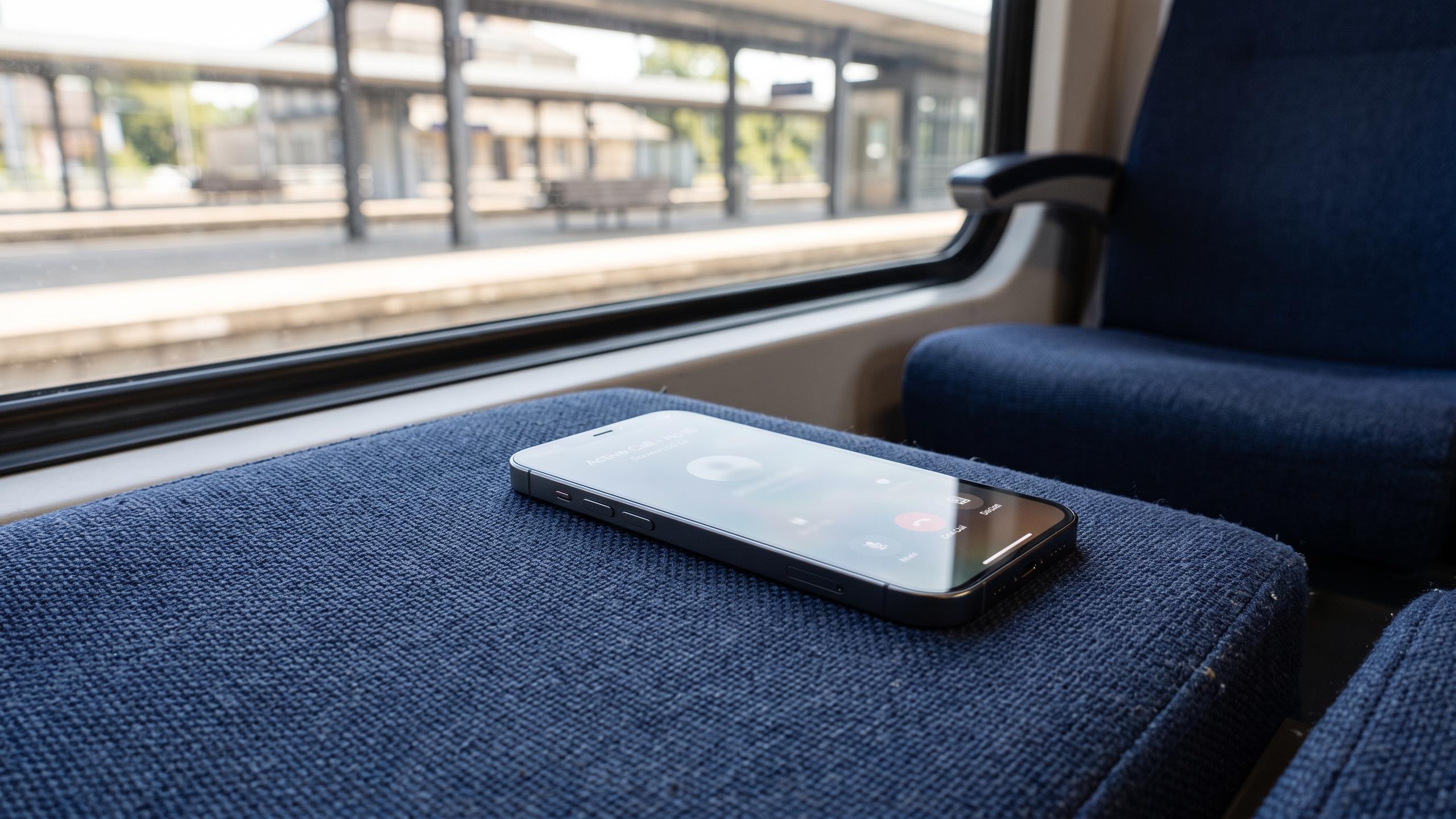
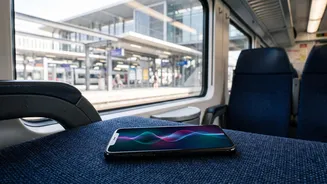
Indian Railways is taking a stricter stance on passengers who play audio or video on their mobile phones' speakers, causing a disturbance to others. In recent directives, particularly highlighted by the Southern Railway, authorities have instructed staff
to enforce rules against this behaviour on both trains and at station premises. Passengers are being urged to use earphones for any personal entertainment. This isn't just about etiquette; it's about enforcing a comfortable and peaceful environment for all travellers, especially in confined spaces like AC coaches where sound travels easily. The railway authorities have noted a rise in complaints regarding loud phone calls, noisy videos, and music played without headphones, prompting a renewed focus on enforcement.
The Legal Basis: Section 145 of The Railways Act
This action isn't based on a new law but on stricter enforcement of existing ones. The key regulation being invoked is Section 145 of the Railways Act, 1989. This section deals with acts that cause nuisance or interfere with the comfort of fellow passengers. While traditionally used to address issues like drunkenness or indecent behaviour, its application has been broadened to include the modern-day annoyance of loud media consumption on personal devices. Recent amendments under the Jan Vishwas Act have potentially streamlined the process for penalising such offences, giving railway officials clearer authority to act. Creating a nuisance is broadly defined and can include any act that causes common injury, danger, or annoyance to the public.
The Penalties: Fines and Potential Jail Time
The consequences for ignoring these rules are significant. A passenger found causing such a nuisance can be fined up to Rs 1,000 for the offence. In addition to the fine, the offender can be removed from the train or railway premises and may have to forfeit their ticket. For those who persist in causing a disturbance even after being warned by a railway official, the penalties escalate sharply. Repeat or continuing offences can lead to imprisonment for up to six months, a fine that could go up to Rs 5,000, or both. These stringent measures are intended to act as a strong deterrent.
How is the Rule Enforced?
The responsibility for enforcement falls on railway staff, including Ticket Examiners (TTEs), and the Railway Protection Force (RPF). These officials are authorised to take action against passengers who violate the rule. However, enforcement also relies on co-passengers. If you are being disturbed, you can complain to the TTE or other railway officials on duty. To ensure awareness, railway divisions have been instructed to use public announcement systems and post notices at stations to inform passengers about the rules and the potential penalties. The success of this initiative will depend heavily on consistent enforcement and public cooperation.
Does This Apply to Metro Trains?
While the recent circulars gaining attention are from Indian Railways, the principle of preventing nuisance extends to metro systems as well. Metro rail corporations across the country, like the Delhi Metro, have their own codes of conduct that prohibit behaviour that inconveniences other passengers. While the specific fines may differ, creating a nuisance is generally a punishable offence. Actions like sitting on the floor, blocking doors, and causing disturbances are all discouraged. The core idea is the same: in a shared public transport system, personal comfort cannot come at the expense of everyone's. Using headphones is considered basic etiquette for a smooth journey for all.