





Start with Smart Skin Prep
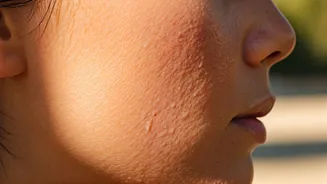
Long-lasting makeup begins before you even pick up a brush. In humid conditions, your skin tends to produce more oil. Start with a gentle cleanser to remove any overnight oiliness. Next, apply a lightweight, oil-free moisturiser. Skipping this step can
trick your skin into producing even more oil to compensate for dryness. For sun protection, opt for a gel-based or mineral sunscreen that won't feel heavy or greasy under your makeup. Allow each layer to absorb for about a minute before moving on. This simple prep work creates a balanced canvas for your makeup to adhere to.
Prime for Success
A good primer is non-negotiable in a humid climate. It’s the single biggest difference between makeup that melts by noon and a look that lasts all day. Choose a mattifying or pore-blurring primer, especially for your T-zone (forehead, nose, and chin), where oil and sweat tend to break through first. Look for silicone-free formulas or those with ingredients like niacinamide or kaolin clay, which help control oil without clogging pores. A primer creates a smooth, grippy base that helps your foundation stay put for hours longer.
Less is More with Foundation
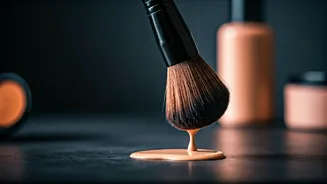
Heavy, full-coverage foundation is a recipe for disaster in high humidity. It can feel like a mask and is more likely to separate, cake, or slide off. Instead, embrace lighter options. Tinted moisturisers, BB creams, or lightweight skin tints are excellent choices as they even out your skin tone without feeling heavy. Another strategy is to skip foundation altogether and just use a concealer on areas that need it, such as under the eyes or on blemishes. When applying your base, use a damp beauty sponge to press the product into your skin in thin layers. This technique provides a more natural, durable finish.
Embrace Cream Formulas
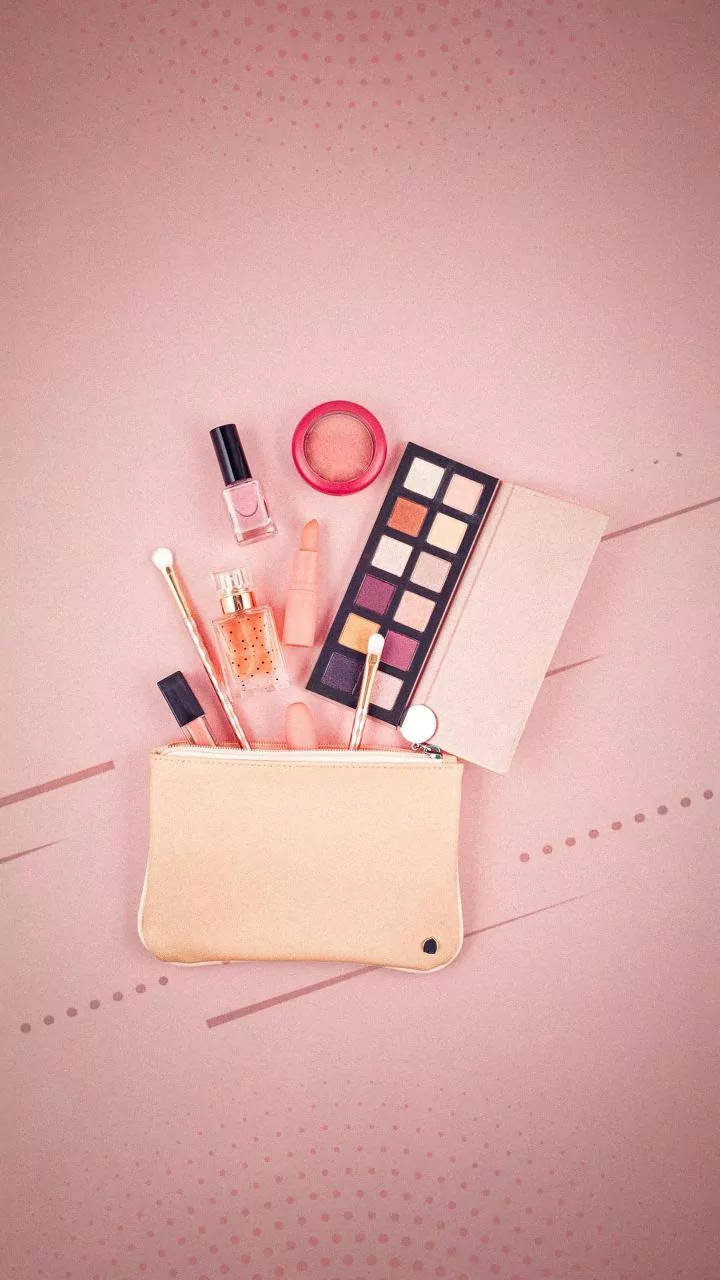
While it might seem counterintuitive, cream-based products for cheeks and eyes often perform better in humidity than powders. Powder products can sometimes look cakey or absorb a mix of sweat and oil, creating a patchy appearance. Cream blushes and eyeshadows, on the other hand, tend to melt seamlessly into the skin for a natural, dewy finish that lasts. They are often easier to apply with your fingers and can be reapplied on the go if needed. If you have oily skin or prefer extra longevity, you can lightly set a cream blush with a matching powder blush on top.
Waterproof Your Eyes
To avoid the dreaded 'raccoon eyes', switching to waterproof formulas for your eyeliner and mascara is essential during humid seasons. These products are specifically designed to resist moisture and smudging. For eyeliner, if you find it still transfers, try drying your waterline with a cotton swab before application and then setting the liner with a small amount of matching eyeshadow. Keep eye makeup minimal for daytime; a clean line and a coat of waterproof mascara are often all you need to look polished without risking a smudged mess.
Blot, Don't Just Powder
When shine starts to break through, your first instinct might be to pile on more powder. This can lead to a heavy, cakey look, especially after multiple touch-ups. A better strategy is to use oil-absorbing blotting papers first. Gently press a sheet against shiny areas to lift away excess oil without disturbing the makeup underneath. After blotting, if you still feel the need, you can apply a very light dusting of translucent powder, focusing only on the oiliest parts of your face like the T-zone.
Lock it in with Setting Spray
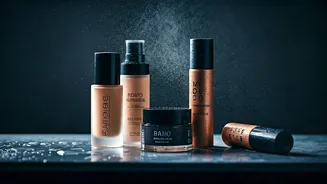
A final mist of setting spray is the ultimate step to fuse your makeup layers together and create a protective shield against humidity. Look for a formula labelled as long-wearing, transfer-resistant, or mattifying. Hold the bottle about 8-10 inches from your face and mist in an 'X' and 'T' motion for even coverage. Allow it to dry completely. For extra staying power on extremely humid days, some makeup artists recommend spraying a light mist between your base and powder layers. This final seal can add hours of wear to your look.