






An Alarming Shortfall
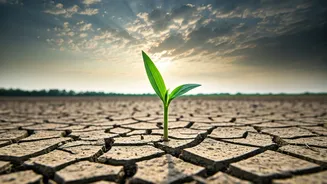
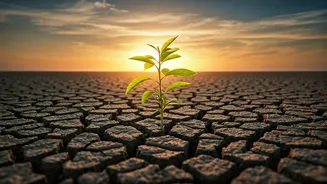
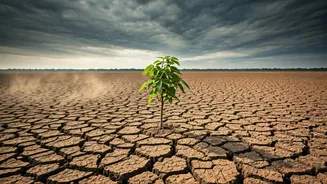
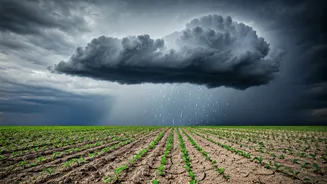
June 2026 has concluded as one of the driest on record for India, with the monsoon delivering nearly 40% less rainfall than the long-period average. The India Meteorological Department (IMD) received just 99.5mm of rain against a normal of 165.3mm, marking
the fifth-driest June since 1901. This significant deficit follows an IMD forecast for a below-normal monsoon for the season, influenced by strengthening El Niño conditions in the Pacific Ocean. The concern is now compounded by a forecast for below-normal rainfall in the crucial month of July as well, threatening to prolong the dry spell.
The Impact on the Fields
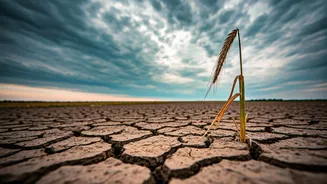
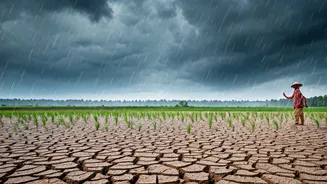
The immediate and most direct impact is on agriculture. The lack of adequate rainfall has severely hampered the sowing of crucial Kharif (summer) crops. As of late June, the total area sown was down by nearly 23% compared to the same period last year. The decline is stark across key categories: rice acreage is down by 25%, pulses by over 30%, and oilseeds have seen a staggering 53% drop in sowing area. Soybean cultivation has been particularly hard-hit, with a reduction of over 65%. For millions of farmers, this means a delayed start, increased uncertainty, and a direct threat to their income for the year, as nearly half of India's farmland is still rain-fed.
From Rural Demand to Urban Inflation
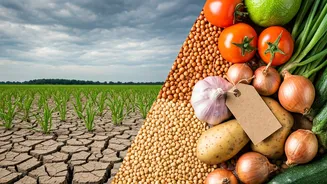
The economic chain reaction starts on the farm but doesn't end there. Lower agricultural output and strained farm incomes translate directly into weaker rural demand. This affects a wide array of industries that depend on the rural consumer, from fast-moving consumer goods (FMCG) and entry-level two-wheelers to tractors and fertilizers. For urban India, the most tangible effect will be on kitchen budgets. A shortfall in the production of pulses, vegetables, and oilseeds is a classic recipe for food inflation. Economists warn that a sustained rainfall deficit could push headline inflation higher, putting pressure on household purchasing power and presenting a complex challenge for the Reserve Bank of India (RBI), which has been closely monitoring the monsoon's progress.
The Macroeconomic Picture
On a larger scale, a weak monsoon can weigh on the nation's overall economic growth. The agricultural sector contributes significantly to India's GDP, and a slump in this area has ripple effects. While structural changes and increased irrigation have made the economy more resilient to monsoon variability than in past decades, a severe deficit still poses a risk. The RBI has flagged the monsoon as a key variable for its growth and inflation projections for the fiscal year. The government is preparing contingency plans for hundreds of districts vulnerable to low rainfall, but the situation puts pressure on fiscal resources, potentially requiring increased spending on rural support schemes and managing food stocks to control prices.