







Prevention Starts With Your Footwear
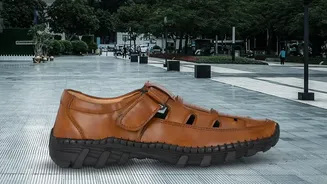
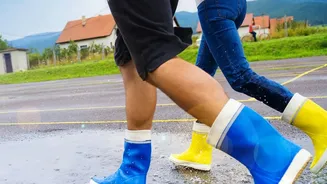
The best way to deal with wet feet is to prevent them from getting soaked in the first place. Opt for footwear made from rubber or other synthetic, waterproof materials that provide a solid barrier against water. While treated leather can be water-resistant,
it may not hold up to a heavy downpour and can be damaged by excessive moisture. Airy, open-style footwear like sandals can also be a good choice as they allow water to drain and your feet to dry quickly, but they also expose your feet to dirt. For those who must wear closed shoes, keeping a spare dry pair at your workplace is a simple but effective strategy to avoid sitting in soggy shoes all day.
Choose Your Socks Wisely
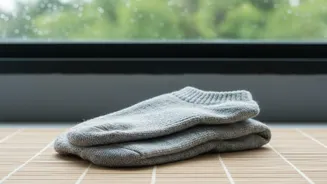
The right socks are just as important as your shoes. Cotton socks are a poor choice for wet conditions because they absorb moisture and hold it against your skin, making your feet feel clammy and increasing the risk of blisters and infections. Instead, choose socks made from materials designed to wick moisture away from the skin, such as merino wool or synthetic blends like polyester. These materials help pull sweat and moisture away, keeping your feet drier and more comfortable even if your shoes get a little damp. Having an extra pair of clean, dry socks on hand is always a wise move during the monsoon.
Immediate Post-Rain Care
As soon as you get indoors, the first step is to remove your wet shoes and socks. Don't just kick them off and forget about them. Wash your feet thoroughly with soap and water, paying special attention to the spaces between your toes, where fungi love to grow. After washing, pat your feet completely dry with a clean towel. Applying an antifungal talcum powder can help absorb any lingering moisture and prevent infections like athlete's foot.
How to Safely Dry Your Shoes
Never use direct heat from a hairdryer, radiator, or oven to dry your shoes, as this can melt adhesives, warp materials, and permanently damage them. The safest and most effective method is to allow them to air dry. To speed up the process, start by removing the insoles and loosening the laces to improve airflow. Stuff the shoes with crumpled newspaper, which is excellent for absorbing moisture; be sure to replace the paper every few hours until the shoes are dry. Placing them in front of a room fan can also significantly speed up drying time.
Eliminating Lingering Odours
Even after they’re dry, wet shoes can develop a persistent, unpleasant smell caused by bacteria and fungi that thrive in damp conditions. To combat this, sprinkle a generous amount of baking soda inside each shoe and leave it overnight to absorb odours and moisture. Simply shake out the excess powder in the morning. For a more potent solution, you can create a spray by mixing equal parts white vinegar and water; lightly mist the inside of the shoes and let them air dry completely. The vinegar smell will dissipate as it dries, neutralizing the bad odours along with it.
Know the Health Risks
Prolonged exposure to wet and cold conditions can lead to a serious condition known as trench foot, or immersion foot, which damages skin, nerves, and blood vessels. While it sounds extreme, it can develop in temperatures as high as 16°C if feet remain wet for too long. More common are fungal infections like athlete's foot, which causes itching, cracking, and flaky skin, often starting between the toes. This condition is contagious and thrives in the warm, damp environment inside wet shoes. Good foot hygiene is your best defence.