


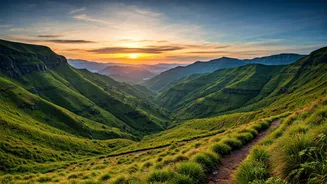


The Dry Escape: Ladakh's Sun-Washed Monsoon
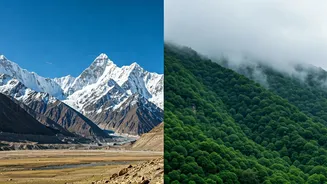
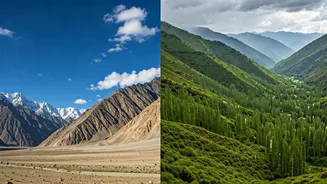
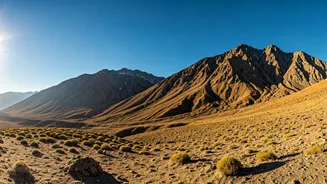
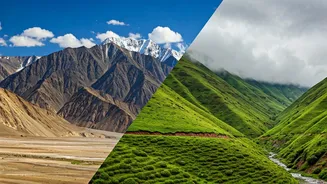
While much of India seeks shelter from the downpour between June and September, Ladakh awakens to its peak season. Tucked away in the rain shadow of the Himalayas, this high-altitude desert remains remarkably dry, offering clear blue skies and pleasant
daytime temperatures perfect for exploration. The monsoon months are, ironically, the best time to visit Ladakh. This is when the mountain passes are reliably open, transforming the region into a playground for adventurers. The mood here is one of exhilarating freedom and stark beauty. It’s the feeling of the wind on your face as you navigate the high roads to Nubra Valley, the sight of prayer flags fluttering against a backdrop of barren mountains, and the profound silence that settles over the vast landscape. This is a season for doing: for river rafting on the Zanskar, trekking through the Markha Valley, or simply soaking in the sun-drenched vistas at Pangong Tso.
A Realm of Open Roads and Spirit
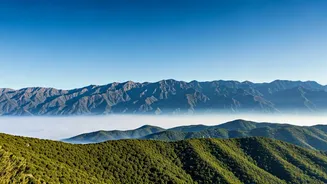
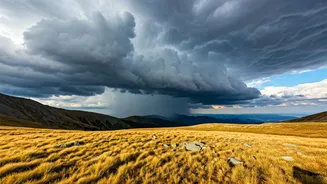
The spirit of Ladakh’s monsoon is one of clarity and expanse. With fewer tourists than in the absolute peak weeks, there’s a sense of having this otherworldly landscape to yourself. The occasional, light showers only add to the drama, sometimes creating a magical contrast of green against the grey mountains. It is a photographer's paradise, offering dramatic cloud play and rain-washed roads. The season is also punctuated by vibrant cultural events like the Hemis Tsechu festival, adding a layer of spiritual richness to the natural splendour. The atmosphere is less about retreating from the weather and more about embracing the vast, open canvas it provides. The mood is defined by adventure, spirituality, and the sheer scale of the mountains, all under a benevolent, largely rain-free sky.
The Wet Embrace: The Ghats' Green Symphony
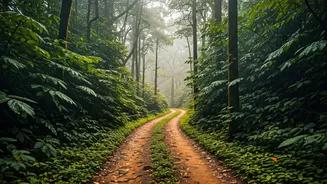
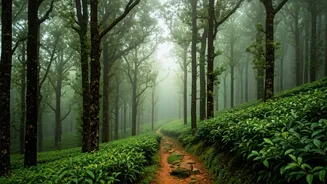
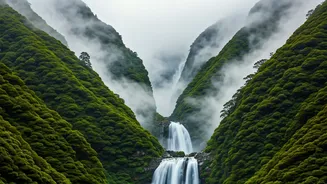
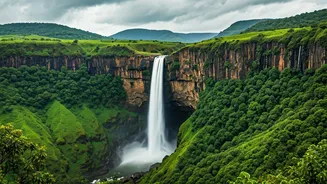
On the other side of the subcontinent, the monsoon tells a completely different story. The Western Ghats, a UNESCO World Heritage Site, don't just receive rain; they are reborn in it. From June to September, this mountain range, which runs parallel to the western coast, sheds its dry skin for an almost electric shade of green. The mood here is introspective, romantic, and deeply rejuvenating. It’s a sensory overload of the best kind: the constant rhythm of rainfall, the earthy smell of petrichor, the sight of countless waterfalls erupting from every hillside, and the feel of mist on your skin. Destinations across Maharashtra, Karnataka, and Kerala, like Malshej Ghat, Coorg, and Munnar, transform into misty, cloud-kissed wonderlands. This is not a landscape you observe from a distance; it's one that envelops you completely.
A Celebration of Rain and Rebirth
Life in the Ghats during monsoon is about surrendering to the season. It’s about finding joy in slowing down, sipping hot tea on a veranda while watching the sheets of rain, or taking mindful walks through forests teeming with life. The rains awaken a hidden ecosystem; it's the season for spotting endemic species like the Malabar Gliding Frog or witnessing the magical spectacle of fireflies. While some major wildlife sanctuaries may have reduced access, the trails that remain open offer a unique, immersive experience, complete with the thrill of navigating muddy paths and the constant companionship of clouds. The mood is not one of adventure in the Ladakhi sense, but of a quieter, more profound connection with nature. It’s a celebration of abundance, where the rain isn’t an interruption but the main event, orchestrating a grand symphony of life, sound, and colour.