
The majestic Himalayas have always beckoned adventurers with a promise of unparalleled beauty and challenge. Yet, tragic incidents are a stark and recurring reminder of the profound risks involved, casting a spotlight on two critical factors: official
permits and the mountain's volatile weather.
A Familiar, Tragic Story
It is an all-too-common narrative in the high-altitude regions of Nepal. A trekker, often travelling alone or in a small, unguided group, is reported missing after failing to check in. Search and rescue teams are dispatched, but a grim discovery is often made: the trekker had no official permit and had ventured off a designated route. Without a registered itinerary or a guide, rescuers are left with an impossibly vast search area and no starting point. These incidents, which occur with heartbreaking regularity, underscore a fundamental truth: in the Himalayas, cutting corners on safety and regulations can have the most severe consequences. The very systems that some try to bypass are the ones designed to be a lifeline when things go wrong.
More Than a Piece of Paper
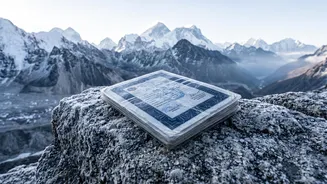
For many, Nepal's permit system might seem like just another piece of administrative hassle. But these documents are a trekker's most vital safety tool. The primary permit is the Trekkers' Information Management System (TIMS) card, which registers a trekker's identity, nationality, and intended route. This is supplemented by conservation area or national park entry permits, depending on the region. The fees collected are not just for revenue; they fund trail maintenance, conservation efforts, and, most importantly, the support infrastructure for emergency services. When a permitted trekker goes missing, authorities know exactly where they were supposed to be, dramatically narrowing the search field and improving the chances of a successful rescue. The permit is a formal acknowledgement that you have entered a high-risk environment and are logged into a system designed to protect you.
The Dangers of 'Going Rogue'
Why would anyone risk trekking without a permit? The motivations vary. For some, it is a misguided attempt to save money. For others, it is the allure of a 'purer' adventure, free from official oversight. Some are simply unaware of the requirements. Regardless of the reason, the dangers are universal. Without a permit, a trekker is invisible to the system. There is no official record of their presence, no timeline for their journey, and no one to raise an alarm if they fail to arrive at their next destination. This places an enormous burden on local communities and rescue services, who are often forced to launch complex and expensive searches for individuals who have deliberately remained off the grid. Furthermore, most travel insurance policies are voided if the holder is found to have broken local laws, including permit regulations, leaving families to bear the staggering costs of helicopter rescues and repatriations.
The Mountain's Unpredictable Temper
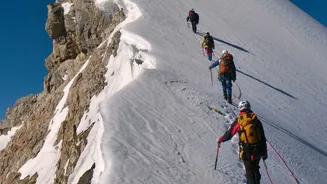
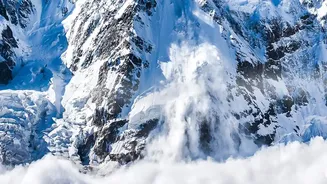
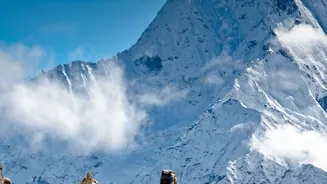
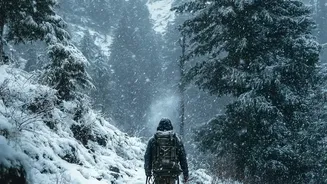
Even with every permit in place, the Himalayas remain a formidable force of nature. The weather is the single greatest variable and a constant threat. Conditions can change in minutes, turning a sunny day into a life-threatening blizzard. Whiteouts can reduce visibility to zero, causing even experienced trekkers to become disoriented and lose the trail. Sudden, drastic drops in temperature can lead to hypothermia, while high winds pose a constant danger. Climate change has only amplified these risks, making weather patterns more erratic and increasing the frequency of avalanches and rockfalls. This is where permits, and often the requirement of a local guide that comes with them, become essential. A guide's experience is not just about navigation; it is about reading the weather, understanding the terrain, and making critical decisions to turn back when conditions become too dangerous.
A System Evolving for Safety
In response to these recurring tragedies, Nepal's government has continually debated and updated its regulations. The most significant recent shift has been the move to make guides mandatory for most foreign solo trekkers. While this has been met with some resistance from independent hikers, authorities argue it is a necessary step to reduce fatalities. The debate highlights the delicate balance Nepal must strike between promoting its adventure tourism industry and ensuring the safety of those who visit. The goal is not to restrict freedom but to create a framework of 'responsible freedom', where adventure is pursued with a healthy respect for the environment and an acknowledgement of the inherent risks. The permit and guide system is the cornerstone of that framework.