








The Challenge of Gene Regulation
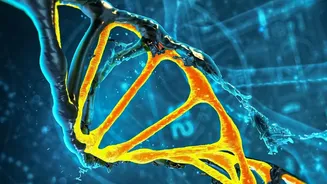
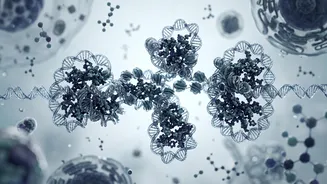
Every cell in your body, from a heart muscle cell to a neuron in your brain, contains the exact same set of genes. So why do they perform such vastly different functions? The answer lies in gene regulation—the complex process of turning specific genes 'on'
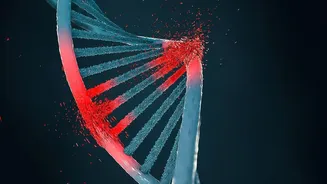
or 'off'. Think of it like a massive control panel with billions of switches and dimmer knobs. For decades, scientists have been trying to figure out which switches control which genes, especially in the vast 'non-coding' regions of our DNA that don't make proteins but play a crucial regulatory role. Missteps in this intricate dance are a key driver of many human diseases, from cancer to autoimmune disorders. Until now, pinpointing which DNA variant affects which gene in which cell type has been a monumental challenge.
Enter AlphaGenome 2
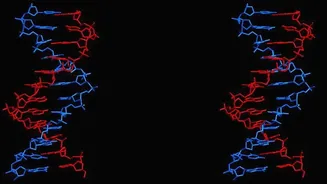
On November 11, Google DeepMind unveiled AlphaGenome 2, its next-generation AI model designed to predict how DNA sequences impact gene regulation within specific human cell types. Unlike its predecessor which looked at broad tissues, AlphaGenome 2 zooms in to the cellular level. It takes a DNA sequence and a chosen cell type—like an immune cell fighting an infection—and predicts how genetic variations might change that cell's behaviour. This new, cell-specific approach is a significant leap forward. In early benchmarks, DeepMind reports that AlphaGenome 2 identifies nearly twice as many disease-causing genetic variants compared to previous state-of-the-art models. It was trained on over 100 million individual cell profiles from both human and mouse samples, giving it an unprecedented view of the genome's contextual operations.
Building on AlphaFold's Legacy
AlphaGenome 2 follows in the footsteps of DeepMind's celebrated AlphaFold, the AI that famously solved the 50-year-old 'protein folding problem' in 2020. AlphaFold predicted the 3D structure of proteins with incredible accuracy, a breakthrough that accelerated research across countless fields and earned its creators a Nobel Prize. That achievement proved that AI could tackle fundamental biological challenges. AlphaGenome 2 applies a similar philosophy of deep learning to a different, but equally complex, problem. While AlphaFold revealed the shape of the proteins, AlphaGenome 2 aims to explain the instructions that decide when and where those proteins are made. Together, they represent a powerful AI-driven toolkit for moving from simply reading DNA to truly understanding its functional language.
From Code to Cures
The practical implications for medicine are profound. By better predicting how a specific genetic variant affects a particular cell, researchers can more accurately trace the roots of disease. For example, DeepMind showed that AlphaGenome 2 could computationally reproduce the mechanism of an inflammatory bowel disease variant, pinpointing its effect to specific immune cells in the gut. In another test, using data from a COVID-19 vaccine study it hadn't seen before, the model could distinguish between resting and activated immune cells, and predict that a variant linked to severe COVID-19 has a much stronger effect when cells are in that activated state. This ability to prioritize which variants and cell types to investigate could dramatically speed up the search for new drug targets and personalised treatments.
The Road Ahead for Researchers
AlphaGenome 2 is not a magic bullet or an approved diagnostic tool. It is a research model designed to help scientists form better hypotheses and prioritize experiments more effectively. For now, the model is available for non-commercial research, with a private preview for commercial use. The model's key innovation is its ability to adapt to new data without retraining; researchers can provide a small sample of cells from their own experiment, and the AI can make predictions for that specific, previously unseen biological state. This flexibility promises to make it a powerful ally in labs worldwide, helping to turn the flood of genomic data into actionable biological insights and, eventually, new medicines.