




Understanding the New Rules: BS7 and CAFE-III
Two major regulatory shifts are on the horizon: Bharat Stage 7 (BS7) emission norms and Corporate Average Fuel Economy (CAFE) Phase III standards. Think of them as a two-pronged approach to making our cars cleaner. BS7, expected to roll out around 2026-2027,
will be far stricter than the current BS6 rules. It focuses on reducing harmful pollutants like nitrogen oxides (NOx) and particulate matter under real-world driving conditions, not just in a lab. This means cars will need more advanced sensors and exhaust treatment systems to stay compliant throughout their lifespan. Simultaneously, CAFE-III norms, set to take effect from April 2027, target fuel efficiency and CO2 emissions across a manufacturer's entire fleet. Instead of each car meeting a single target, carmakers must ensure their company-wide average fuel consumption meets an increasingly stringent annual goal. This forces them to sell a balanced mix of vehicles, pushing them towards more efficient technologies.
The Beginning of the End for Small Diesel Cars?
The biggest casualty of these new rules will likely be diesel engines, especially in smaller cars. Upgrading a diesel engine to meet BS7 standards is significantly more expensive than upgrading a petrol one. It requires complex and costly hardware like advanced Selective Catalytic Reduction (SCR) systems and Diesel Particulate Filters (DPF). While the transition from BS4 to BS6 already saw many manufacturers discontinue diesel options in hatchbacks and compact sedans, BS7 will accelerate this trend. The high cost of compliance will make small diesel cars economically unviable for both manufacturers and buyers. However, diesel is not expected to disappear entirely. It will likely survive in larger, heavier SUVs and commercial vehicles where its high torque and fuel efficiency for long-distance travel still make a strong case. But for the average hatchback or sedan buyer, the diesel option is set to become a rarity.
A Major Push for Hybrids and Electric Vehicles
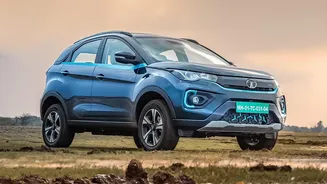
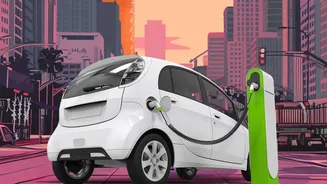
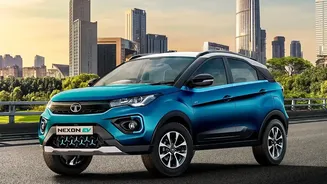
To meet the tough CAFE-III fleet average targets, manufacturers will be heavily incentivised to sell more green vehicles. The rules include a "super credit" system, where selling one electric vehicle (EV) counts as selling multiple conventional cars for compliance calculations. Battery electric vehicles and range-extenders will receive a 3x multiplier, while strong hybrids will also get significant benefits. This mechanism makes it much easier for a carmaker to offset the sale of a large, less efficient SUV by also selling EVs and hybrids. As the cost of making petrol and diesel engines compliant rises, the price gap with hybrids will narrow, making them a more attractive proposition for buyers. This regulatory push aligns with a broader government strategy to promote cleaner transportation, which could lead to a wider variety of hybrid and EV models appearing in showrooms.
What This Means for Your Wallet
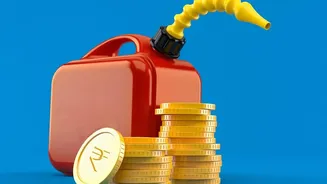
Ultimately, these advanced technologies come at a cost that will be passed on to the consumer. The significant investment in research, development, and new components required for both BS7 and CAFE-III compliance will lead to higher vehicle prices. Industry estimates suggest that the price of new cars could increase by 3-8% due to BS7 alone, with the hike potentially ranging from ₹30,000 to over ₹1,00,000 depending on the vehicle segment. Entry-level cars, which operate on thin margins, could be hit the hardest, potentially making them less accessible for budget-conscious buyers. While the upfront cost will be higher, the long-term benefits include more fuel-efficient cars and cleaner air.