








Why Your Gut Needs Extra Care
The magic of the monsoon—cool breezes and lush greenery—also brings high humidity, which can unfortunately dampen our digestive fire, or 'Agni' as it's known in Ayurveda. [7] This slowdown means your body finds it harder to digest food, leading to common
issues like bloating, acidity, and indigestion. [7, 17] The damp environment is also a perfect breeding ground for bacteria and viruses, increasing the risk of waterborne and foodborne infections. [8, 24] This makes paying attention to what you eat more important than ever. A well-chosen diet can boost your immunity and keep your digestive system running smoothly. [3, 22]
Embrace Warm, Light, and Cooked Meals
During the monsoon, your digestive system appreciates a break. Swap heavy, hard-to-digest foods for light, warm, and freshly cooked meals. [9] Think comforting bowls of moong dal khichdi, warm vegetable soups, and steamed vegetables. [11, 24] These foods are gentle on the stomach and provide essential nutrients without overburdening your sluggish digestion. [3] According to Ayurveda, warm foods help maintain the body's internal balance and kindle the digestive fire. [3] It’s also wise to avoid raw foods like salads, as they can harbour microbes that thrive in the humid weather and may be harder to digest. [9, 24]
Make Friends with Bitter and Pungent Foods
While your cravings might lean towards fried snacks, your body will thank you for incorporating bitter and pungent flavours. Vegetables like bitter gourd (karela), neem, and spices like turmeric have antimicrobial properties that help prevent infections. [9, 22] Spices such as ginger, garlic, black pepper, and cumin are not just flavour enhancers; they are powerful digestive aids and immunity boosters. [3, 20] Chewing on a small piece of ginger before meals can stimulate digestion, while a pinch of turmeric in your milk or food provides anti-inflammatory benefits. [5, 9]
Be Smart About Fruits and Vegetables
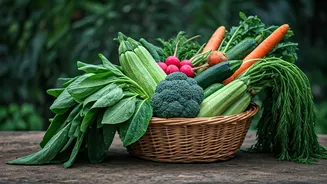
While a balanced diet is key, the monsoon calls for some specific choices. It's best to be cautious with green leafy vegetables like spinach and cabbage, as the dampness and soil can make them prone to dirt and germs. [9, 12] If you do consume them, ensure they are washed thoroughly, preferably in warm water, and cooked well. Opt for seasonal gourds like bottle gourd (lauki), ridge gourd (tori), and pumpkin, which are easier to clean and digest. [12, 22] When it comes to fruits, choose seasonal options like pomegranates, apples, pears, and plums. [16, 22] Avoid pre-cut fruits from street vendors to minimize the risk of contamination. [21]
Foods and Habits to Limit
Resisting the temptation of street-side pakoras and chaat is your best bet for a healthy monsoon. [4, 13] Fried, oily, and excessively spicy foods can aggravate the digestive system, leading to bloating and acidity. [12, 13] It's also a good idea to limit seafood, as the monsoon is the breeding season for fish and prawns, increasing the risk of contamination. [4, 23] Dairy products like curd can also be heavy on the gut for some people during this season; buttermilk is often considered a lighter, more digestive-friendly alternative. [11, 23] Most importantly, ensure the water you drink is boiled or purified to avoid waterborne diseases. [4, 16]