



Prioritise Excellent Drainage
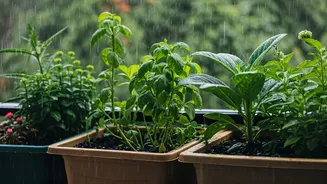
The number one enemy during monsoon is waterlogging, which leads to root rot, one of the quickest ways to kill a potted plant. Before the rains intensify, ensure every pot has clear drainage holes. If a pot's single hole tends to clog, consider drilling
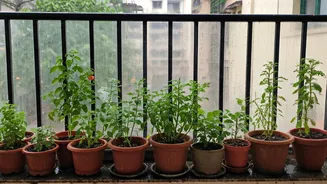
a few more. A simple but highly effective trick is to elevate your pots using bricks, small stands, or even bottle caps. This small gap between the pot base and the floor prevents it from sitting in a puddle and allows excess water to escape freely, which is crucial for root health. For an extra layer of protection, you can add coarse materials like broken clay pot pieces or small stones at the bottom of the pot before adding soil to improve drainage further.
Adjust Your Watering Schedule
It might sound obvious, but it's a common mistake: stop watering your plants on a fixed schedule during the monsoon. The frequent rain and high humidity mean your plants need far less manual watering. The best rule is to check the soil first. Poke your finger about an inch or two into the soil; if it feels damp, do not water it. Overwatering is a major cause of fungal diseases and root rot, which are rampant in the damp monsoon environment. Let nature do most of the work, and only intervene when the soil genuinely starts to feel dry.
Provide Shelter from Wind and Rain
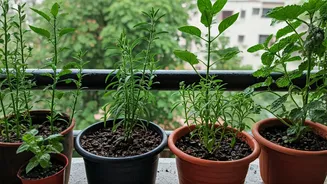
Strong monsoon winds and lashing rain can physically damage your plants, breaking stems and shredding leaves. For a tiny balcony, simple solutions can be very effective. If possible, move more delicate plants closer to the wall or into a sheltered corner. For plants that must remain exposed, you can create temporary windbreaks. A waterproof tarpaulin, a sturdy net, or even an old bedsheet tied to the railing can shield plants from the worst of the gusts and sideways rain. Grouping pots together can also add stability and create a micro-environment where plants protect each other from the wind.
Watch for Pests and Fungal Diseases
High humidity is a breeding ground for pests and fungal issues like powdery mildew, leaf spot, and mealybugs. Good air circulation is key to prevention, so avoid overcrowding your plants. Prune any yellowing or diseased leaves immediately to stop the problem from spreading. A preventive spray of neem oil solution (a few drops mixed with water and a little liquid soap) every 10-15 days can work wonders in keeping pests and fungi at bay. Regularly inspect your plants, paying close attention to the undersides of leaves where pests love to hide.
Refresh Soil and Prune Strategically
Heavy rain can compact the soil in your pots, reducing aeration for the roots. Gently loosen the top layer of soil with a small fork or stick to help it breathe. Now is also a good time to do some light pruning. Trimming overgrown branches not only improves air circulation but also helps the plant focus its energy on developing a stronger root system and new, healthy growth. Remove any dead or weak branches that could easily break in the wind or become sites for disease. Using a well-draining soil mix is foundational; a combination of garden soil, compost, and cocopeat or sand creates a light mix that doesn't retain excessive water.
Choose Monsoon-Happy Plants
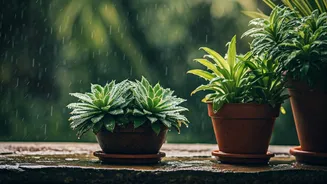
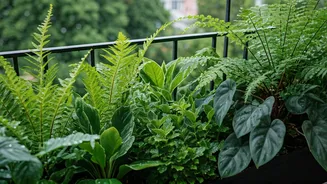
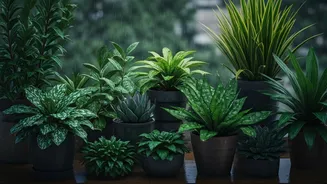
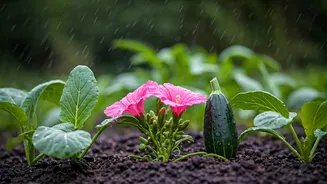
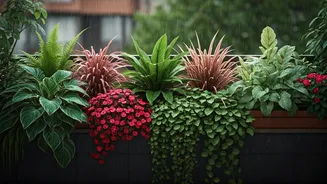
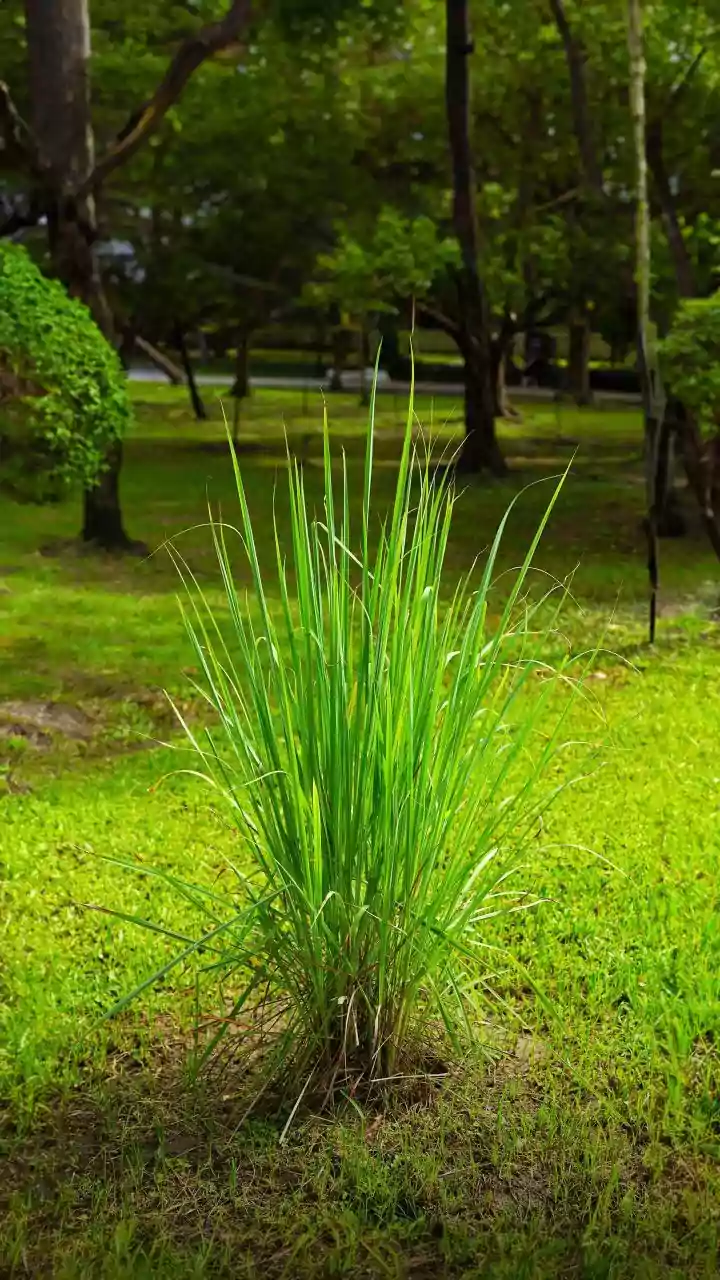
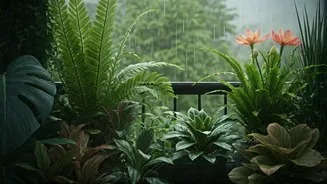
While protecting existing plants is important, you can also embrace the season by growing species that love the rain. Plants like hibiscus, jasmine, periwinkle, and various ferns thrive in the high humidity and moisture of the Indian monsoon. Herbs like mint, tulsi, and lemongrass also grow vigorously during this time. On the other hand, it's best to provide extra protection for succulents and cacti, which are prone to rotting in wet conditions. If you have them, move them to a dry, covered spot on your balcony until the season passes.