







A New Kind of Consumer
The shift begins with a new kind of urban Indian consumer. More globally travelled, digitally connected, and health-conscious than ever before, this shopper is looking for more than just sustenance. They are seeking experiences, quality, and a story behind
their food. This has fuelled a massive growth in the gourmet food market, which is projected to expand significantly, with some forecasts predicting a compound annual growth rate of over 17% between 2026 and 2034. The demand is no longer just for basic necessities but for products that align with an aspirational lifestyle, where quality and wellness are paramount. This evolving consumer base is willing to spend more on premium and branded goods, moving away from loose, unbranded staples towards packaged and quality-assured products.
The Health and Wellness Wave
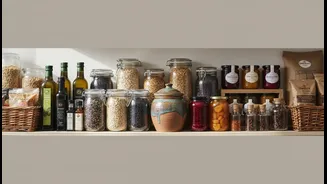
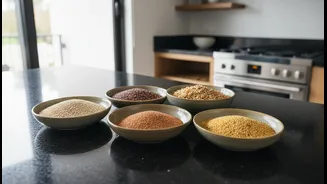
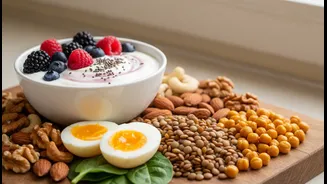
One of the biggest drivers of this luxury trend is a pronounced focus on health and wellness. Urban consumers are increasingly seeking out organic, natural, and chemical-free foods, driven by a desire for safer and more nutritious options. This has led to a surge in demand for products like multigrain flours, millet-based goods, cold-pressed oils, and natural sweeteners like jaggery powder and honey. The organic food market in India has seen explosive growth, with consumers in metropolitan areas leading the charge. Store aisles now feature dedicated sections for gluten-free, vegan, and other diet-specific products, catering to a populace that is increasingly proactive about managing its health through food.
Global Tastes, Local Kitchens
As Indians travel the world and consume global media, their palates have become more adventurous. This has created a burgeoning market for international ingredients that were once considered exotic. Italian olive oils and pasta, French cheeses, Japanese miso, and premium European chocolates are no longer confined to speciality restaurants; they are becoming staples in home cooking. Supermarkets and online grocery platforms have responded by stocking a wide array of these items, from truffle oil and saffron to artisanal breads and desserts. This trend also sees a fusion of global ingredients with Indian cooking techniques, creating a unique culinary blend that is both innovative and personal.
The Rise of Artisanal and Local
Luxury in the Indian grocery space does not only mean imported goods. There is a powerful counter-trend celebrating high-quality, locally produced artisanal products. Consumers are showing a growing interest in the provenance of their food, leading to the rise of farm-to-table models and farmers' markets in urban centres. This movement champions everything from single-origin coffee and bean-to-bar chocolates to handcrafted cheeses and traditional sweets made with a modern twist. These products offer a sense of authenticity and connection, appealing to consumers who value craftsmanship and sustainability. The demand for transparency and locally sourced produce is reshaping supply chains and giving a platform to small-scale producers.
Convenience Meets Premium
The way people buy luxury groceries has also been transformed. The rapid expansion of e-commerce and quick commerce apps means premium and gourmet products are now just a tap away. Platforms like BigBasket, Amazon Fresh, and JioMart have dedicated sections for organic and gourmet foods, making them accessible to a wider audience beyond just Tier-1 cities. These services offer the convenience of home delivery, often with curated selections and subscriptions, allowing busy urban professionals to experiment with new ingredients and recipes without the hassle of a trip to a speciality store. This digital shift is a key enabler of the entire luxury grocery movement, bridging the gap between demand and supply.