






The Problem with the Traditional Start
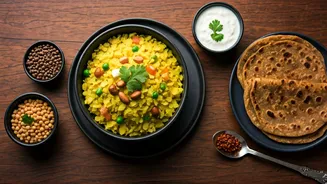
Think about the classic Indian breakfast. Whether it’s fluffy idlis, crispy dosas, buttery parathas, or a quick bowl of poha, they are delicious but predominantly carbohydrate-based. While carbs provide a quick burst of energy, they can also lead to a rapid
spike and subsequent crash in blood sugar levels. This is that familiar feeling of lethargy and hunger that hits you around 11 a.m., sending you searching for a sugary chai or a snack long before lunchtime. In our modern, high-demand world, this energy rollercoaster just doesn’t cut it. We need fuel that is steady, reliable, and keeps our minds sharp through long meetings and packed schedules.
The Science of a Protein-Packed Morning
This is where protein steps in. Unlike simple carbohydrates, protein is digested more slowly. This has several powerful benefits. First, it promotes satiety, the feeling of being full and satisfied. A protein-rich breakfast helps curb cravings and prevents mindless snacking throughout the morning. Second, it leads to a more gradual release of energy, stabilising blood sugar levels and preventing the dreaded energy crash. This means better concentration and productivity. Finally, consuming protein in the morning kick-starts muscle protein synthesis, which is crucial for maintaining and building muscle mass, especially if you exercise. It essentially sets your body’s metabolic engine on the right track for the entire day.
More Than Just Eggs and Whey
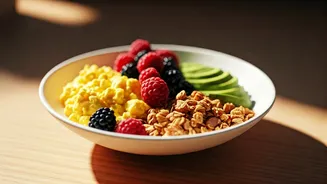
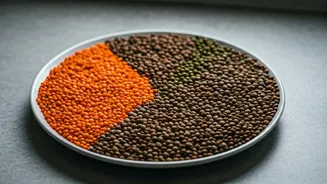
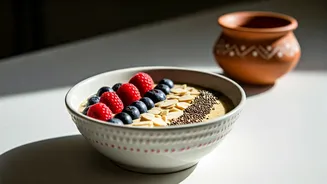
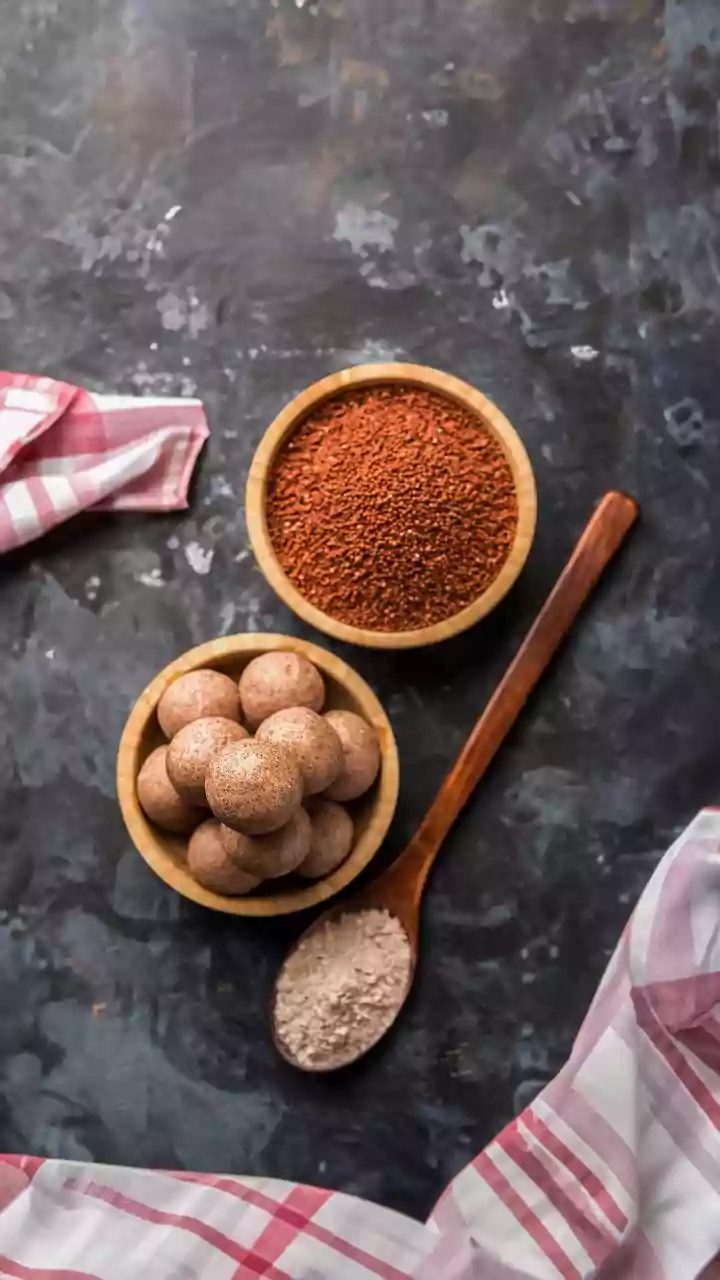
When people hear “high-protein breakfast,” they often picture a bodybuilder’s meal of scrambled eggs and a protein shake. But that’s a very limited view. An Indian kitchen is already a treasure trove of protein-rich ingredients. For vegetarians, options abound: besan or moong dal chilla, paneer bhurji, Greek yogurt (which has nearly double the protein of regular dahi), sprouts, sattu, and nuts or seeds sprinkled over your usual meal. For non-vegetarians, besides eggs cooked any way you like, leftover chicken or keema from the previous night can be repurposed into a hearty breakfast roll or stuffing for a paratha. The goal isn’t to completely abandon your favourite breakfast foods, but to intelligently incorporate more protein into them.
Simple Swaps for an Instant Boost
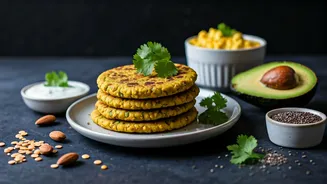
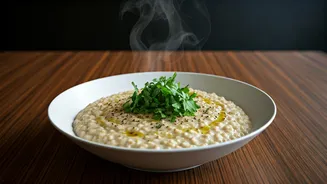
You don't need a complete meal overhaul to reap the benefits. Small, simple changes can make a huge difference. Here are a few easy ideas: - **Upgrade Your Poha/Upma:** Stir in a handful of roasted peanuts, cashews, or even some crumbled paneer in the last few minutes of cooking. - **Rethink Your Dosa/Idli:** Pair it with a generous serving of sambar (which contains protein-rich lentils) and a hearty portion of coconut chutney, which contains healthy fats that also help with satiety. - **Make Your Dahi Count:** Swap your regular curd with Greek yogurt. Use it as a side, blend it into a smoothie with fruit, or top it with nuts and seeds. - **Embrace the Chilla:** Made from lentil or chickpea flour (besan), chillas are a fantastic, quick, and customisable protein source. You can stuff them with grated paneer or vegetables for an even bigger nutritional punch. - **Power-Up Your Paratha:** Instead of a plain aloo filling, try a sattu or paneer stuffing. These not only boost the protein content but also taste delicious.
How Much Protein Is Enough?
While individual needs vary based on age, activity level, and health goals, a good general target for breakfast is around 20-30 grams of protein. This amount has been shown in studies to be effective for promoting satiety and stimulating muscle synthesis. Don't get too caught up in precise numbers at first. Instead, focus on including a substantial protein source in your morning meal. A couple of eggs provide about 12-14 grams, a serving of Greek yogurt can offer 15-20 grams, and a paneer bhurji made with 100g of paneer contains nearly 20 grams. By consciously choosing one of these options, you’ll easily get into the effective range and start feeling the difference in your energy levels and appetite.