


A World Transformed by Rain
Forget the Goa of December postcards. From June to September, the state undergoes a breathtaking metamorphosis. The scorching summer heat gives way to a fresh, earthy scent as the first rains kiss the parched soil. The dusty browns and sun-bleached greens
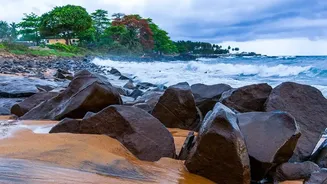
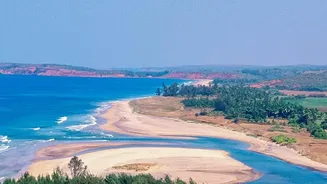
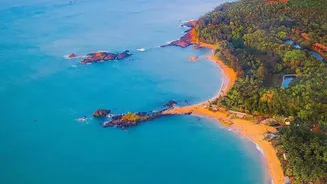
are replaced by an almost impossibly vibrant emerald blanket that covers the hills and fields. This isn't the season for sunbathing; it's the season for witnessing nature's spectacular revival. The beaches, largely empty of the peak season crowds, take on a wild, dramatic beauty with crashing waves and overcast skies, perfect for long, contemplative walks.
Chasing Majestic Waterfalls
The single most compelling reason to visit Goa during the monsoon is the waterfalls. Dormant streams and trickles swell into powerful, roaring cascades. The star attraction is Dudhsagar Falls, one of India's tallest waterfalls, located on the border with Karnataka. Seeing this four-tiered giant in its full monsoon fury is an unforgettable experience. But beyond Dudhsagar, numerous other falls like those at Tambdi Surla and Harvalem come to life, offering incredible sights for those willing to venture on a trek through the verdant forests of the Western Ghats.
Adventures Beyond the Beach
While swimming in the sea is off-limits due to rough conditions, the monsoon opens up a different kind of adventure. The overflowing Mhadei River becomes a hotspot for thrilling white-water rafting. For a calmer experience, you can kayak through serene mangrove forests in the backwaters of the Chapora River. Spice plantations in areas like Ponda invite visitors for guided tours. Walking through these farms, fragrant with cardamom, pepper, and nutmeg, is a multi-sensory delight, often culminating in a delicious, traditional Goan meal prepared with fresh produce.
Heritage and Culture in a New Light
The rain adds a romantic and atmospheric quality to Goa's rich history. A walk through the colourful, narrow lanes of Fontainhas, Panjim's Latin Quarter, feels like stepping into another era as the wet streets reflect the vibrant Portuguese-era houses. The ancient churches of Old Goa, like the Basilica of Bom Jesus and Sé Cathedral, seem even more grand and imposing against a backdrop of grey monsoon skies. With fewer tourists, you can explore these UNESCO World Heritage sites at a more leisurely pace, truly soaking in their history and architectural grandeur.
The Practical Perks of the Off-Season
Beyond the scenic beauty, there are significant practical advantages to visiting Goa during the monsoon. With fewer tourists, the state sheds its commercial frenzy for a more relaxed, authentic vibe. This translates into significant savings, with prices for flights, luxury hotels, and rental vehicles often dropping to a fraction of their peak-season rates. You can enjoy top-tier resorts and restaurants without the crowds or the hefty price tags. This quieter period also allows for more meaningful interactions with locals, offering a deeper connection to Goan culture.