


The Untapped Potential in Your Linen Closet
Before you discard that old patterned sheet, those vintage curtains, or the duvet cover that no longer matches your bedroom, consider their hidden value. These textiles represent an opportunity for sustainable, budget-friendly decorating. Upcycling linens
is not just about saving money; it's a creative act that infuses your living space with personality and memory. A familiar soft fabric can bring an added layer of comfort, turning a generic sofa into a centerpiece that tells a story. This approach reduces textile waste, which is a significant environmental concern, and allows you to create one-of-a-kind pieces that you can’t find in any store.
Effortless No-Sew Cushion Covers
One of the quickest and most impactful updates is to change your cushion covers. You don’t even need a sewing machine for this transformation. The simplest method is to wrap your existing cushion insert as if you were wrapping a gift. Lay your fabric flat, place the cushion in the center, and fold the fabric neatly around it, securing the ends with safety pins or fabric glue. For a more secure fit, you can use iron-on hemming tape to create clean, durable seams without a single stitch. This technique works wonderfully with everything from old cloth napkins for smaller accent pillows to larger cuts from a flat sheet for standard-sized cushions.
From Flat Sheet to Chic Slipcover
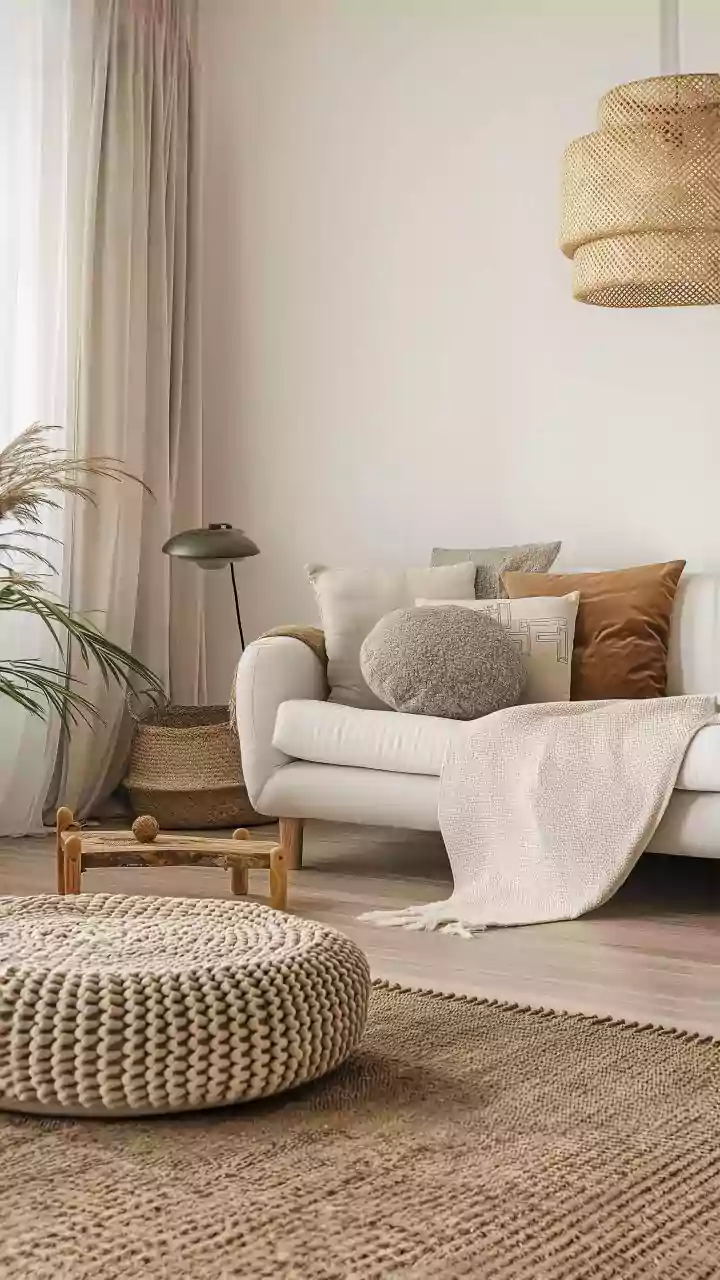
A full slipcover might sound intimidating, but a strategic drape can achieve a similar effect with minimal effort. A large flat sheet, a painter's canvas drop cloth, or even old curtains can be used to create a casual, rustic cover for your sofa. The key is in the tucking. Drape the fabric over your sofa, ensuring it covers the main seating area and back, then tightly tuck the excess material into the crevices between the cushions and the sofa frame. This 'tuck and drape' method is not only easy and requires no sewing, but it’s also simple to remove and wash, making a practical solution for homes with pets or children.
Crafting a Custom Patchwork Throw
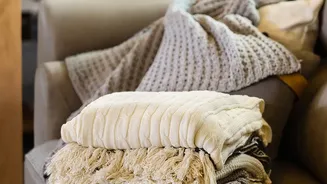
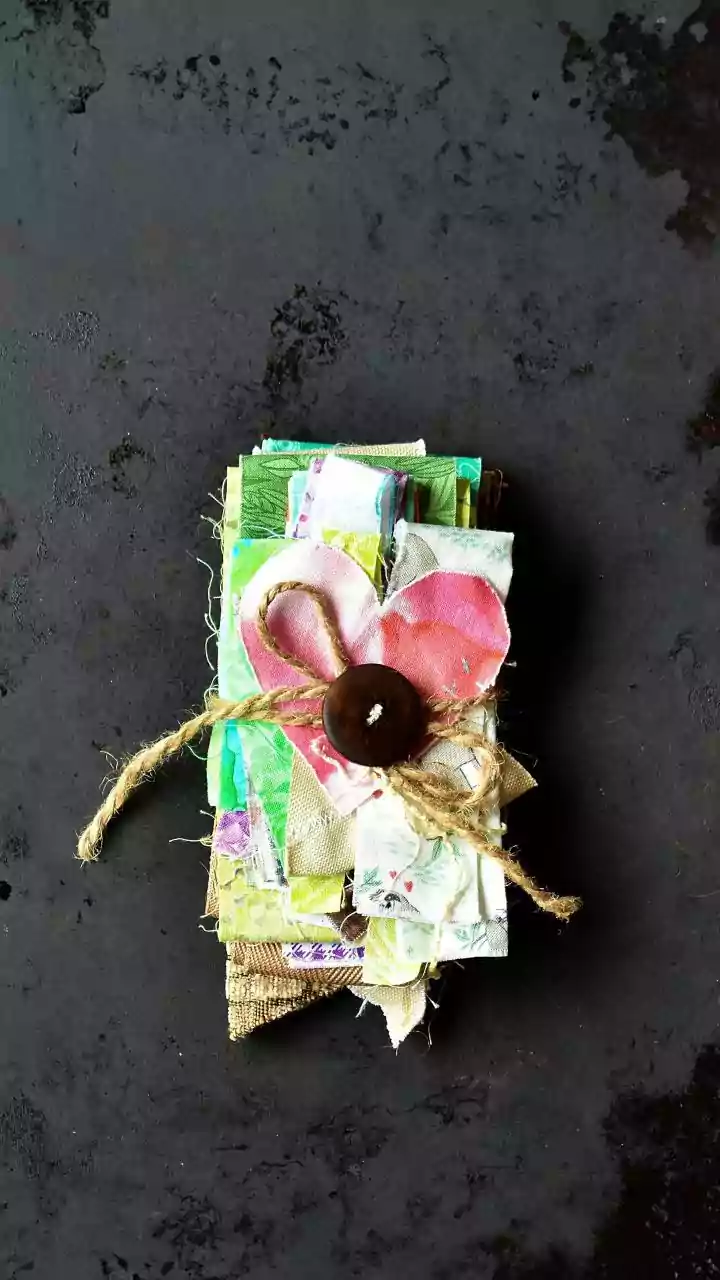
A throw blanket adds a layer of texture and warmth to any sofa. Instead of buying one, create a unique patchwork throw from various old linens. Cut squares from different fabrics—think old flannel sheets, soft cotton duvet covers, and even sentimental clothing items—and sew them together. If you're not a sewer, you can still create a beautiful throw. One popular no-sew method involves cutting two large pieces of fabric (like fleece or flannel sheets), placing them on top of each other, cutting a fringe around the edges, and then tying the corresponding fringe pieces together to bind the two layers.
Beyond the Sofa: Textile Accents
Your creativity doesn't have to stop with covers and throws. Smaller pieces of fabric can be transformed into other decorative elements for your living room. A particularly beautiful piece of vintage linen or an embroidered napkin can be framed and hung as wall art. You can also stretch interesting fabrics over a canvas for a modern, textured art piece. Leftover fabric strips can be braided to create decorative tassels for existing pillows or even used to make stylish, sturdy baskets for holding magazines or remote controls.
Preparing Linens for a New Life
To ensure your repurposed creations look their best and last, proper preparation is key. Always wash old linens thoroughly before starting a project. For fabrics that have been stored for a long time, a wash with a cup of vinegar can help remove any musty smells. Inspect the material for any significant wear and tear. While some character is desirable, you'll want to work around any large holes or heavily frayed areas unless you are specifically aiming for a distressed look. A good ironing will make the fabric easier to cut and work with, leading to a more polished final product.