








The Science is Real, But Nuanced
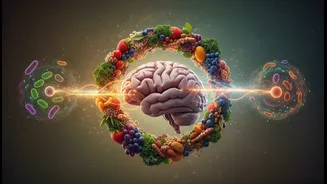
There is a genuine and fascinating connection between our gut and our brain. This is often called the gut-brain axis, a two-way communication network. Much of our body's serotonin, a key neurotransmitter for mood regulation, is actually produced in the gut.
Because of this, what we eat can influence our mental state. A diet rich in fruits, vegetables, whole grains, and lean proteins, like the well-researched Mediterranean diet, is associated with lower rates of depression. These foods provide essential vitamins, minerals, and antioxidants that reduce inflammation and support overall brain function. The emerging field of nutritional psychiatry is dedicated to studying these links, showing that a healthy diet is indeed a cornerstone of overall health, which includes our mental well-being.
Why Food is Not a Prescription
This is where the nuance is crucial. Acknowledging that diet has an impact is not the same as saying diet is a cure. Mental health conditions like clinical depression and anxiety disorders are complex illnesses with deep roots in genetics, brain chemistry, trauma, and environment. Suggesting that they can be solved simply by changing one's diet is a dangerous oversimplification. This narrative can lead to immense guilt and self-blame when someone eats a “perfect” diet but still struggles. It wrongly places the entire burden of a complex medical condition on an individual's willpower and food choices. While nutritional deficiencies can certainly worsen mood, eating more leafy greens cannot, on its own, resolve a major depressive episode or silence the intrusive thoughts of an anxiety disorder. Researchers caution that dietary changes should not replace professional mental health treatment.
The Holistic View of Mental Wellness
A truly effective approach to mental health is holistic, viewing the individual as a whole person, not just a collection of symptoms. Diet is one piece of a much larger puzzle. Other critical components include psychotherapy (talk therapy), which helps individuals develop coping mechanisms and reframe thought patterns, and for some, medication to help regulate neurotransmitter activity. Beyond these clinical interventions, lifestyle factors play a huge role. Regular physical activity has been shown to be as effective as antidepressants for mild to moderate depression. Adequate sleep is vital for emotional regulation, and strong social connections provide a buffer against stress. Furthermore, practices like mindfulness, meditation, and spending time in nature can significantly reduce symptoms of stress and anxiety.
Building a Healthy, Balanced Approach
So, how should we incorporate nutrition into our mental health journey? The key is balance, not perfection. Instead of chasing miracle foods or restrictive diets, the focus should be on building a sustainable pattern of healthy eating. This means prioritising whole foods and reducing the intake of highly processed, sugary foods that can lead to energy crashes and inflammation. Think of food as a supportive practice, one of many tools in your well-being toolkit. It works alongside, not in place of, other essential elements of care. Viewing food this way removes the pressure of it being a cure-all and reframes it as a positive act of self-care that supports your body and brain. This approach empowers you to take charge of your health without falling into the trap of believing that a salad can solve everything.