


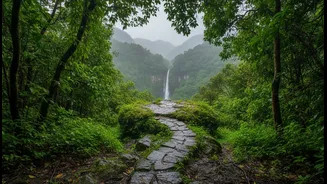


An Invitation from the Wild
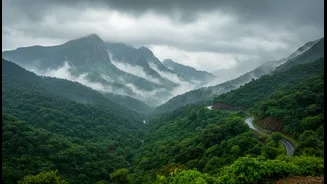
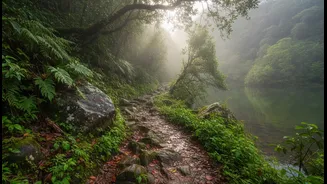
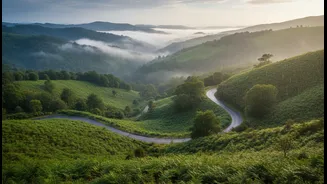
For most, the monsoon is a time for comfort and caution. But for a true wilderness adventurer, it is an open invitation. This is the season when India's mountains shed their dry, dusty cloak and wrap themselves in an impossible green. Dusty trails disappear,
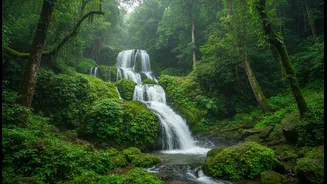
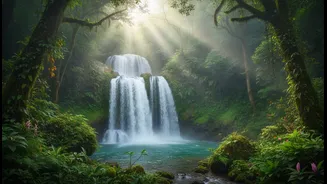
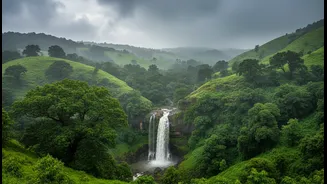
replaced by lush carpets of grass, and sleepy streams awaken into roaring, jubilant waterfalls. It is a full sensory experience; the petrichor, the constant cool mist on your face, and the vibrant colours of wildflowers against a grey sky create a landscape that feels primal and intensely alive. This month, particularly July, represents the peak of this transformation, offering a spectacle that fair-weather hikers will simply never see.
The Challenge Is The Reward
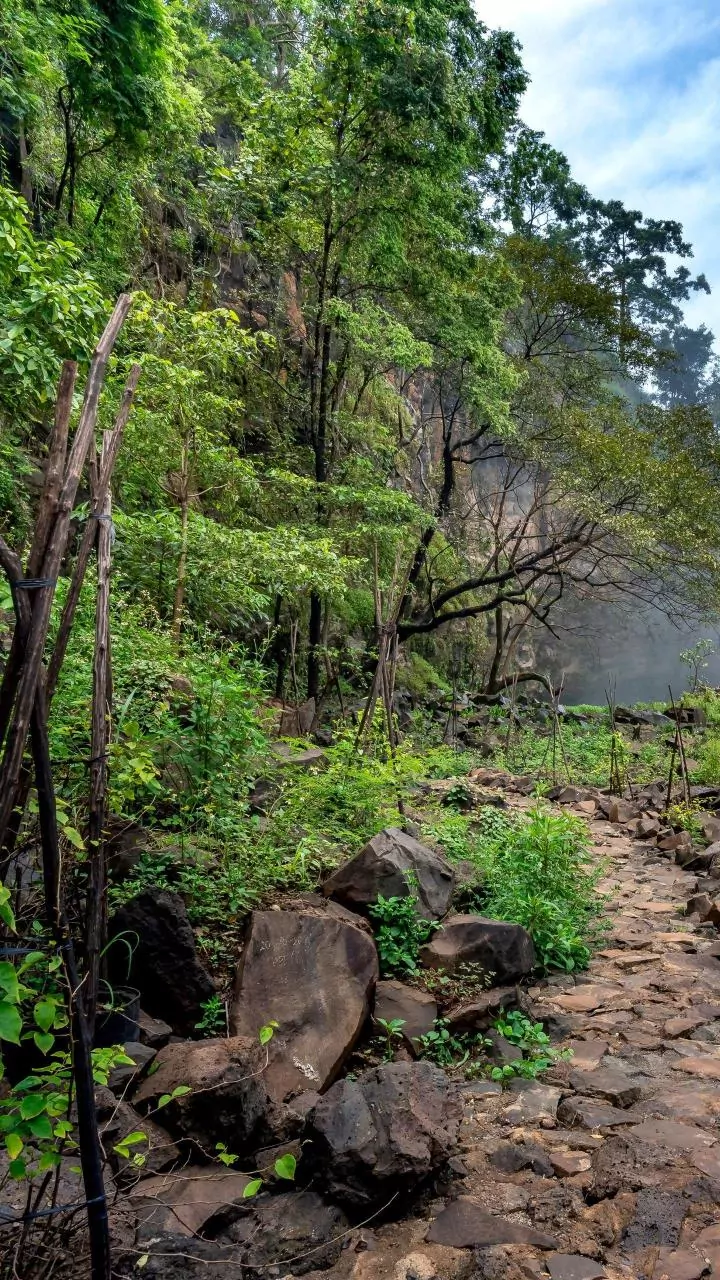
The appeal lies precisely in the difficulty. Unpaved monsoon trails are not for the faint of heart. They are muddy, slippery, and often populated with leeches. River crossings that are a simple rock-hop in May become a formidable challenge requiring ropes and teamwork in July. Navigation is tougher as fog rolls in, obscuring paths and landmarks. Yet, for the wilderness adventurer, these are not deterrents; they are the very essence of the adventure. Overcoming these obstacles fosters a profound sense of self-reliance and accomplishment that a marked, dry trail cannot offer. It is a test of will, endurance, and skill, where every step is deliberate and every vista earned.
The Payoff: Solitude and Scenery
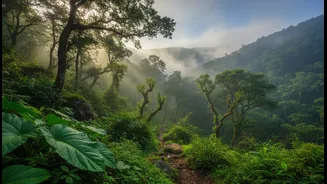
The reward for braving the elements is twofold. First, there is the unparalleled beauty. Lakes like Bhrigu in Himachal or the alpine jewels of the Kashmir Great Lakes trek are full and mystical, their waters reflecting the dramatic, cloud-filled skies. The forests of the Western Ghats, on treks to places like Chembra Peak or Rajmachi Fort, become otherworldly with mist and an explosion of biodiversity. The second reward is solitude. The very challenges that define monsoon trekking ensure that the trails are far less crowded. This offers a more intimate and personal connection with nature, a chance to experience the mountains not as a tourist attraction, but as a living, breathing entity.
Iconic Monsoon Lake Trails
Across India, certain trails have become legendary for their monsoon character. In Himachal Pradesh, the Kareri Lake trek, despite being challenging with slippery paths and swollen streams, draws trekkers to its glacial waters surrounded by lush meadows. The Hampta Pass trek offers a dramatic crossover from the green, rain-drenched Kullu valley to the arid landscapes of Lahaul. In Kashmir, which sits in a partial rain shadow, the Tarsar Marsar and Kashmir Great Lakes treks are at their absolute prime, with alpine meadows bursting into flower. In the Western Ghats, trails around Lonavala and in Coorg become a paradise of waterfalls and vibrant greenery, testing trekkers with muddy, rugged terrain.
The Adventurer's Mindset
Ultimately, what defines the wilderness adventurer is their mindset. It's an understanding that nature is not an environment to be conquered, but one to be experienced in all its moods. It requires humility and preparedness—the right waterproof gear, sturdy shoes, and often, the wisdom of a local guide. It's about finding beauty not in sterile perfection, but in the raw, untamed, and sometimes-inconvenient reality of the wild. It’s for those who understand that the most memorable journeys are rarely the easiest ones, and that sometimes, to truly find yourself, you have to be willing to get a little wet and muddy.