


Millets for Rice and Wheat
Ancient grains like jowar (sorghum), ragi (finger millet), and bajra (pearl millet) are making a major comeback. Pushed aside during the Green Revolution, these hardy, drought-resistant crops are now celebrated for being gluten-free, high in fibre, and having
a lower glycemic index than polished rice and wheat. Home cooks are increasingly using millet flours for rotis, dosas, and even baking, while whole millets are replacing rice in dishes like khichdi and pulao. This shift reconnects modern plates with agricultural wisdom.
Unripe Jackfruit for Pulled Meat
Once a humble backyard vegetable, unripe jackfruit (kathal) has become a global sensation as a meat substitute. Its fibrous, shreddable texture brilliantly mimics that of pulled pork or chicken, making it a star in vegan and vegetarian dishes. In India, it's moving beyond traditional curries into new-age creations like jackfruit burgers, tacos, and biryanis. As the world’s largest producer of jackfruit, India is capitalizing on this trend, which satisfies both a quest for plant-based options and a taste for familiar textures.
Jaggery and Date Syrup for Refined Sugar
The war on white sugar is leading Indians back to traditional sweeteners. Jaggery (gur), made from concentrated sugarcane or palm sap, is prized for its caramel-like flavour and retention of minerals like iron and magnesium. Similarly, date syrup offers natural sweetness along with fibre and antioxidants. These are no longer just for festive sweets; they are being used daily in chai, coffee, and breakfast bowls as people seek less processed, more nutrient-dense alternatives.
Plant-Based Ghee for Dairy Ghee
For many, ghee is the soul of Indian cooking, making a vegan alternative a significant challenge. Yet, a growing number of brands are rising to the occasion. Using ingredients like coconut milk, interesterified vegetable fats, and sesame oil, these plant-based ghees aim to replicate the taste, aroma, and grainy texture of traditional ghee. Catering to vegans and the lactose-intolerant, this swap allows for the continued enjoyment of classic dishes without dairy.
Black Rice for White Rice
Also known as 'forbidden rice', this heirloom grain, once reserved for royalty in ancient China, is finding its place in modern Indian meals. Primarily cultivated in Manipur and other parts of Northeast India, black rice gets its striking colour from anthocyanins, the same powerful antioxidants found in blueberries. With a nutty flavour, chewy texture, and superior nutritional profile—including more protein and fibre than white rice—it is being adopted by health-conscious consumers in porridge, desserts, and as a dramatic-looking side dish.
Moringa Powder for Leafy Greens
Moringa, or the drumstick tree, has been part of Indian cuisine for centuries, but its powdered leaf form is a modern superfood phenomenon. Packed with vitamins, iron, and antioxidants, moringa powder is an easy nutritional boost. Its slightly bitter taste is easily masked in Indian cooking, making it a versatile addition. People are stirring it into dal, kneading it into roti dough, and blending it into chutneys and smoothies for a convenient way to enhance the nutritional value of everyday meals.
Hemp Hearts for Other Seeds
Hemp hearts, or shelled hemp seeds, are rapidly gaining ground as a plant-based superfood. Known in Hindi as 'bhang ke beej', these seeds contain no psychoactive compounds and are a nutritional powerhouse, offering complete protein with all nine essential amino acids. Their mild, nutty flavour makes them a versatile topping for salads, yoghurt, and oatmeal, or a mix-in for smoothies. As awareness grows, they are becoming a go-to for vegetarians and vegans seeking quality protein sources.
Makhana for Packaged Snacks
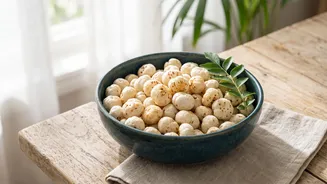
Puffed lotus seeds, or makhana, have transitioned from a traditional fasting food to a mainstream everyday snack. Roasted and seasoned with everything from simple salt and pepper to exotic spices, makhana offers a satisfying crunch without the guilt of deep-fried chips or namkeen. High in protein and fibre, it aligns perfectly with the growing demand for healthier, yet tasty, snacking options to munch on between meals.
Local Artisanal Cheese for Imported Varieties
The Indian cheese landscape is becoming incredibly exciting. A new wave of local cheesemakers is producing world-class artisanal cheeses, from fresh mozzarella and feta to aged Gruyère and Gouda. Brands like Eleftheria Cheese in Mumbai, Käse in Chennai, and others across the country are encouraging consumers to look beyond processed squares and expensive imports. This movement champions high-quality local milk and craftsmanship, offering complex flavours that are finding a loyal following.
Yogurt-Based Gravies for Heavy Cream
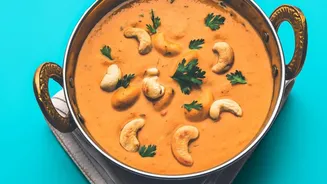
Indian home cooks are finding clever ways to achieve rich, creamy curries without relying heavily on cream or cashews. The simple swap is to use thick, whisked yogurt or even tomato puree as the base for gravies. This cuts down significantly on fat and calories while still delivering a satisfyingly luscious texture. A dollop of yogurt stirred in at the end of cooking can give dishes like palak paneer or even a butter chicken-style gravy a creamy finish that feels both indulgent and light.