






The Humble Power of Pazhanthanji
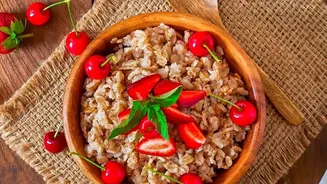
Known by various names like Pazhaya Soru Kanji or Panta Bhat, Pazhanthanji is staggeringly simple. It’s made from leftover cooked rice soaked in water overnight, traditionally in an earthen pot. This isn't just about preventing food waste; it’s a controlled,
natural fermentation. By morning, the plain rice transforms into a slightly tangy, cooling porridge brimming with life. For generations, it was the breakfast of farmers, providing sustained energy and hydration for a long day under the sun. Now, this meal born from thrift is being recognized for its incredible nutritional properties, standing as a testament to the profound wisdom of our ancestors.
The Allure of the Smoothie Bowl
On the other end of the spectrum is the smoothie bowl, a star of modern wellness culture. They are colourful, infinitely customizable, and packed with fruits, seeds, and nut butters. The appeal is obvious: it feels like you’re consuming a dense dose of vitamins and nutrients in a convenient, appealing format. However, behind the healthy facade, some common preparations can pose challenges for digestion. From excessive sugar loads to the temperature of the ingredients, what seems like a healthy choice might be silently sabotaging your gut health.
The Probiotic Advantage: Fermentation vs. Blending
The single greatest advantage of Pazhanthanji lies in its fermentation. That overnight soak cultivates a wealth of beneficial microorganisms, particularly lactic acid bacteria like Lactobacillus. This makes the porridge a powerful, natural probiotic. These microbes help balance the gut microbiome, which can improve digestion, reduce bloating, and ease issues like constipation. A study at Chennai's Stanley Medical College Hospital found that fermented rice not only fosters these probiotics but also helps in managing conditions like ulcerative colitis and Irritable Bowel Disease (IBD). Most smoothie bowls, unless they have yogurt or kefir added, lack this live probiotic component. The ingredients are simply blended, not transformed.
Warmth for the Gut: A Temperature Story
According to Ayurvedic principles, digestion is a metabolic fire called 'agni'. Consuming ice-cold foods and drinks is believed to dampen this fire, forcing the digestive system to work harder just to regulate its temperature. Smoothie bowls are often made with frozen fruit and served cold, which can be taxing on the digestive system for some people, potentially leading to sluggishness or bloating. Pazhanthanji, on the other hand, is typically consumed at room temperature or slightly cool, making it gentler on the stomach. Its natural cooling properties are hydrating and refreshing without delivering the icy shock of a frozen meal.
The Nutrient & Sugar Equation
While smoothie bowls offer vitamins from fruit, they can also be a source of a massive sugar rush. A typical bowl can contain several servings of fruit, honey, and juice concentrates, leading to a fructose overload that can cause fermentation and gas in the colon. In contrast, Pazhanthanji is a source of easily digestible, slow-release carbohydrates. More importantly, the fermentation process makes the nutrients in the rice more bioavailable. It breaks down anti-nutrients like phytic acid, dramatically increasing the body's ability to absorb minerals such as iron, potassium, and calcium. One study noted a 21-fold increase in bioavailable iron after fermentation, making it a powerful tool against anaemia.
Beyond Digestion: Cost and Simplicity
In the end, the choice also comes down to accessibility and sustainability. Smoothie bowls often rely on expensive 'superfoods', imported berries, and various powders. Pazhanthanji is the epitome of frugal, sustainable eating. It uses leftovers, requires no special equipment, and costs next to nothing to prepare. It’s a gut-healthy breakfast that is accessible to everyone, not just those who can afford premium wellness products. It reminds us that true health doesn't always come from a trendy cafe; sometimes, it’s waiting in our own kitchens, passed down through generations.