

Why the First One Often Fails
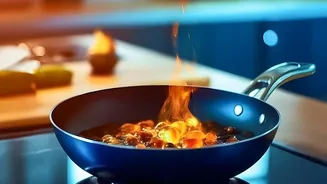
The phenomenon of the 'sacrificial first' is almost always due to an improperly heated pan. When a pan is too cold, food doesn't sizzle on contact. Instead, it slowly warms up, steaming in its own moisture, which prevents browning and causes it to stick.
If the pan is too hot, the outside burns before the inside can cook, and it can also cause sticking. A properly preheated pan ensures even heat distribution from the moment the food touches the surface. This initial blast of correct heat is what separates a perfectly golden-brown dosa from a sticky mess, or a beautifully seared steak from a grey, tough piece of meat. The goal is to hit that perfect sweet spot where the magic happens.
The Science of the Sizzle
That beautiful browning we all crave is the result of a chemical process called the Maillard reaction. It occurs when proteins and sugars in food are exposed to heat, typically between 140°C and 165°C (280°F to 330°F). This reaction creates hundreds of new flavour and aroma compounds, giving seared meats, toasted bread, and even fried onions their complex, delicious character. If your pan is below this temperature range, the Maillard reaction won't happen effectively, leaving you with bland, pale food. Preheating your pan properly is the single most important step to ensure you achieve this flavour-building reaction every single time you cook.
How to Tell When Your Pan is Ready
You don't need fancy equipment to gauge your pan's temperature. For stainless steel or cast-iron pans, the 'water test' is a chef's secret. Heat your empty pan over medium heat for a few minutes. Then, flick a few drops of water onto the surface. If the drops sizzle and evaporate immediately, the pan is getting warm but isn't ready. If they form into a single bead (or several beads) that glide across the surface like a mercury ball, you've reached the perfect temperature. This is known as the Leidenfrost effect, where a layer of steam instantly forms under the water, preventing it from touching the hot metal directly. This same steam cushion will help prevent your food from sticking. For any pan, another good indicator is the shimmer of your cooking oil. Add the oil to the preheated pan; if it shimmers and flows like water, it's ready. If it immediately smokes, the pan is too hot.
The All-Important Test Batch
This brings us to the core of the headline's advice. Once you believe your pan is at the right temperature, don't commit a whole pancake or a full fillet of fish. Use a tiny test batch to confirm. For pancakes, dosas, or crepes, pour just a spoonful of batter into the pan. Watch how it behaves. Does it sizzle gently and start to set? Or does it spread out lifelessly or scorch instantly? This small test tells you everything you need to know. You can adjust the heat up or down and wipe the pan clean before cooking your first proper one. This small, two-second step acts as your final calibration, guaranteeing that the first item you cook is as perfect as the last. It's the secret to eliminating waste and frustration in the kitchen.
Applying the Principle
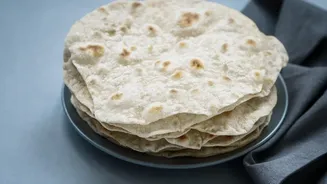
This technique applies to a wide range of cooking. For crispy dosas, a super-hot, well-oiled griddle is key; a small test dollop will confirm the temperature is right before you pour and spread. For searing a steak or chicken, you want to hear a confident, sustained sizzle, not a weak hiss or a violent crackle. For stir-frying, preheating your wok until it's smoking slightly ensures vegetables cook quickly and stay crisp. The principle remains the same: a properly heated pan cooks food efficiently, developing flavour and texture. A cold pan steams and sticks. Taking a moment to preheat and test your pan is not a wasted step; it's the foundation of a successful meal.