





Understanding the Cooling Trap
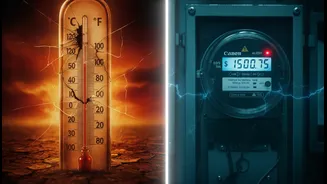
The cooling trap isn't just about a high electricity bill. It's a triple threat. Financially, there's the high upfront cost of an AC followed by relentless monthly bills that drain your budget. Environmentally, India’s demand for cooling is exploding,
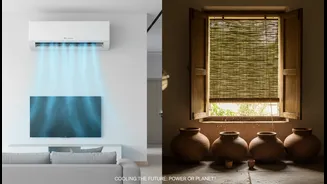
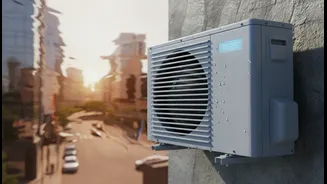
with AC ownership projected to grow ninefold by 2050. This puts incredible pressure on the power grid, which still relies heavily on coal, and leads to a massive increase in carbon emissions. Furthermore, the refrigerants (HFCs) used in many ACs are potent greenhouse gases, contributing significantly to global warming. Finally, there's the comfort trap: our bodies get used to artificially cold temperatures, making it harder to cope with natural heat and creating a cycle of dependency.
Buying Smart: Your First Line of Defence
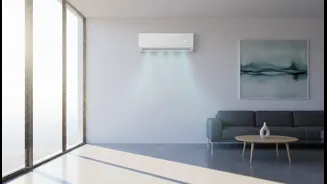
If you are buying a new AC, making an informed choice is critical. Don't just look at the price tag; look at the BEE star label. The Bureau of Energy Efficiency (BEE) rates appliances from 1 to 5 stars, with 5 stars being the most efficient. A 5-star AC consumes significantly less electricity than a 3-star model for the same amount of cooling. Pay attention to the Indian Seasonal Energy Efficiency Ratio (ISEER) number on the label – the higher, the better. Also, ensure you buy the correct size (tonnage) for your room. An oversized AC cools too quickly and switches off, leading to wasted energy and poor humidity control, while an undersized one runs constantly without cooling effectively. Remember that BEE standards are periodically tightened, so a 5-star AC from 2025 might only be a 4-star in 2026. Always check the manufacturing year on the label.
Mastering the Remote: Use Your AC Wisely
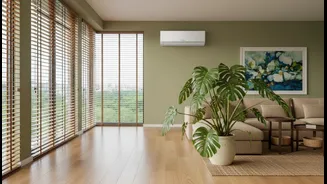
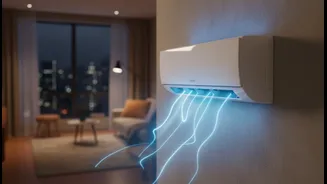
Owning an AC is one thing; using it smartly is another. The default temperature shouldn't be 18°C. The most energy-efficient temperature range is between 24°C and 26°C. For every degree you raise the temperature, you can save a significant amount on your electricity bill. Use the timer and sleep modes to have the AC turn off automatically after you've fallen asleep. Regular maintenance is non-negotiable. Clean the filters every few weeks, as clogged filters can reduce efficiency by 5-15% and make the unit work harder. Finally, ensure your room is sealed. Close doors and windows, and use curtains or blinds to block direct sunlight, especially during the afternoon.
Beyond the AC: A Team Effort
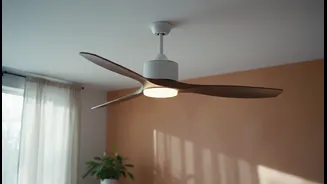
Your AC shouldn't work alone. A high-quality ceiling fan is its best companion. A fan doesn't cool the air, but it creates a wind-chill effect that makes you feel cooler, allowing you to set the AC temperature higher. Consider upgrading to a BLDC (Brushless Direct Current) fan. They consume up to 65% less power than traditional fans, run silently, and often come with remote controls for added convenience. Using exhaust fans in kitchens and bathrooms to vent out hot air can also prevent heat from spreading to the rest of the house.
Timeless Wisdom: Passive Cooling
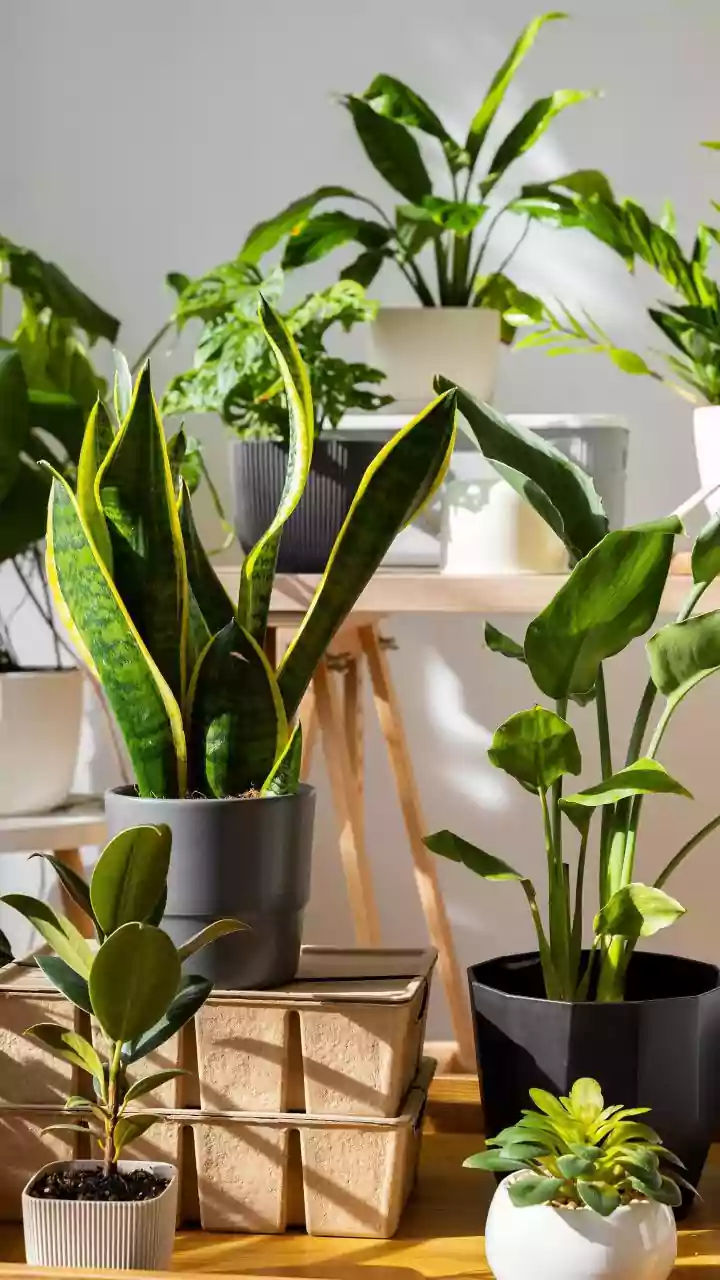
Before ACs, Indian homes stayed cool using clever design, a practice known as passive cooling. You can apply these principles even in a modern apartment. Use thick, dark curtains or install sun-control films on windows that receive direct sun. Introduce plants on balconies and near windows; they help cool the air through a process called evapotranspiration. At night, when the temperature drops, practice cross-ventilation by opening windows on opposite sides of the house to let cool air flow through and flush out the day's accumulated heat. Simple changes like using light-coloured cotton bedsheets and wearing breathable fabrics also make a noticeable difference.