






Before You Go: Smart Preparation
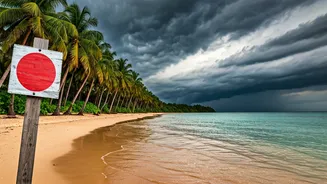
A safe monsoon journey begins long before you step out the door. The most crucial first step is choosing your destination wisely. Some areas, like the rain-shadow regions of Ladakh, or low-rainfall zones in Rajasthan, are safer bets. However, if you are drawn
to the verdant hills of the Western Ghats or Kerala, research is key. Check the area’s history with landslides and flooding. Schedule your travels with plenty of buffer time, as delays due to weather are common. Don't pack your itinerary too tightly; a relaxed schedule is more resilient to sudden downpours or travel disruptions. Before booking, check official weather alerts. The India Meteorological Department (IMD) and apps like 'FloodWatch' provide real-time updates and forecasts. Paying attention to these warnings allows you to adjust plans or even change destinations if a region is under a red or orange alert for heavy rainfall.
Your Monsoon-Ready Packing List
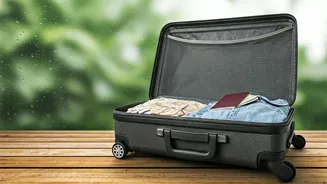
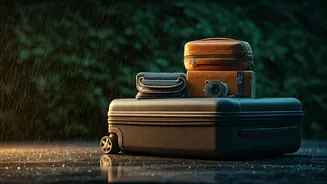
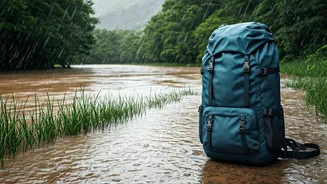
Packing for the monsoon is about staying dry, comfortable, and prepared. Your regular travel kit needs a few upgrades. Start with a waterproof backpack or at least a reliable rain cover. Inside, use waterproof pouches or ziplock bags for electronics, documents, and cash. When it comes to clothing, ditch the denim and heavy cotton. Instead, pack lightweight, quick-drying synthetic fabrics. Always carry an extra pair of clothes and socks to change into. Footwear is critical; choose waterproof sandals with a good grip or rubber boots over shoes that will take days to dry. Your first-aid kit should be robust, containing basics for cuts, as well as medication for stomach upsets, antiseptic solutions, and insect repellent, as waterborne diseases and mosquito activity increase during this season. Finally, a powerful torch or headlamp and a fully charged power bank are non-negotiable essentials, as power cuts can be frequent.
On the Road: Driving and Navigating Safely
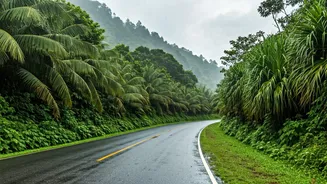
Driving during the monsoon presents a unique set of challenges. Visibility is often poor, and roads are slippery, significantly increasing braking distances. Always reduce your speed, maintain a greater distance from the vehicle ahead, and keep your headlights on low beam to be visible to others. Before your trip, ensure your car is in top condition—especially the brakes, tyres, and wiper blades. Keep your fuel tank topped up, as traffic jams caused by waterlogging are common. One of the biggest dangers is navigating flooded streets. It is impossible to know the depth of the water or what lies beneath, such as open manholes or debris. The cardinal rule is: do not drive or walk through flooded areas. If water begins to surround your vehicle, it's safer to abandon it and move to higher ground.
What To Do If You Get Caught
Despite the best planning, you might find yourself in a flood-affected area. The first rule is to stay calm and prioritise safety. Immediately move to higher ground. Avoid all contact with floodwater, as it can be contaminated with sewage, chemicals, and other dangerous substances. If you must walk through standing water, use a stick to check the ground in front of you. Stay away from downed power lines. Tune into local radio or television for official updates and instructions from authorities like the National Disaster Management Authority (NDMA). Do not rely on or spread rumours. Have emergency numbers, including local disaster management and your hotel, saved on your phone. It’s also wise to keep a small supply of drinking water and ready-to-eat food with you.