




Your Monsoon Commuter Kit
The key to a hassle-free monsoon journey is a well-packed bag. Think of it as your daily survival kit. A waterproof backpack or at least a reliable rain cover for your regular bag is non-negotiable. Inside, a compact, sturdy umbrella is essential for sudden
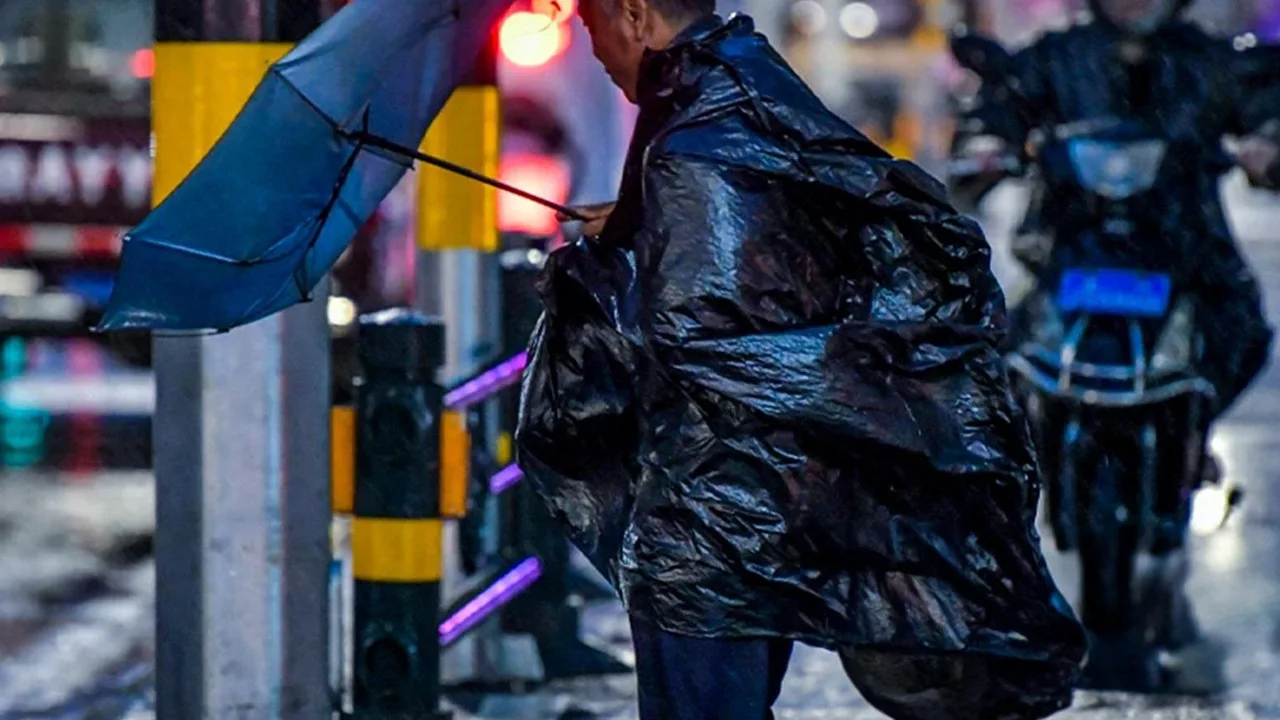
showers, while a lightweight, foldable raincoat or poncho offers better protection in heavy rain and wind, especially for those on two-wheelers. Also, pack a small, quick-dry microfibre towel. It's incredibly useful for drying off after an unexpected soaking. Finally, keeping a few plastic or zip-lock bags handy can be a lifesaver for stashing a wet umbrella or protecting important documents.
Protecting Your Electronics
Water and gadgets are a terrible mix. Your laptop, phone, and chargers need extra protection during the monsoon. The first line of defence is a waterproof bag. For an added layer of security, place your laptop in a waterproof sleeve and your phone, wallet, and other small electronics in waterproof pouches or simple zip-lock bags before putting them in your backpack. Power cuts and travel delays are common during heavy rains, so a fully charged power bank is another must-have to ensure your devices don't run out of battery when you need them most.
Wardrobe Wisdom: Fabric and Footwear
What you wear can make a huge difference to your comfort. Opt for clothes made from lightweight, quick-drying fabrics like cotton blends, rayon, and other synthetics. These materials don't hold water for long and feel more comfortable in humid weather. It's wise to choose darker colours that are better at hiding mud splashes. When it comes to footwear, avoid leather and suede. Instead, choose rubber or synthetic options like floaters, sandals, or boots that offer a good grip on slippery surfaces. Keeping a spare pair of dry socks at the office can also make your day significantly more comfortable.
The Art of Flexible Planning
During the monsoon, rigidity is your enemy. The weather is unpredictable, and so is the traffic. Before you leave home, check the weather forecast and look at traffic updates using navigation apps to identify waterlogged areas or major jams. If heavy rain is predicted, it's always a good idea to leave earlier than usual. Have backup routes in mind, and be prepared for public transport delays. Building buffer time into your schedule reduces stress and helps you handle unexpected delays calmly. Sometimes, the smartest plan is to wait for a heavy downpour to subside before starting your journey.
Staying Safe on the Move
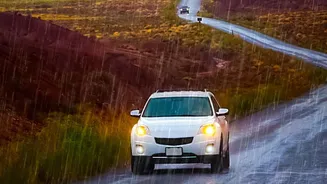
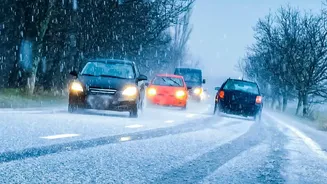
Safety should always be a priority. Wet roads dramatically increase braking distances, so maintain a safe speed and increase the distance between your vehicle and the one ahead. Be extremely cautious around waterlogged streets; it’s impossible to judge the depth or see hidden potholes and open drains. Never try to drive or walk through flooded areas. For those on two-wheelers, ensuring your tyres have good tread and your brakes are in top condition is crucial. Also, be mindful of your surroundings and avoid standing near electrical poles or under trees during heavy rain and lightning.