





The Science of the Sog
The reason dressing turns crisp leaves into a droopy disappointment comes down to a scientific process called osmosis. Most salad dressings contain salt and acidic ingredients like vinegar or citrus juice. These create a high-concentration environment
outside the plant cells of your lettuce. The water inside the lettuce leaves is naturally drawn out of the cells to balance this concentration, causing the cells to lose their rigidity and wilt. While acid is a factor, oil can also contribute by clinging to the waxy surface of leaves and breaking down their protective coating, which accelerates wilting. Making sure your greens are completely dry after washing is another crucial step, as excess water speeds up spoilage.
The Golden Rule of Dressing
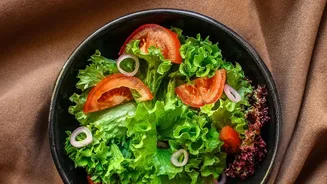
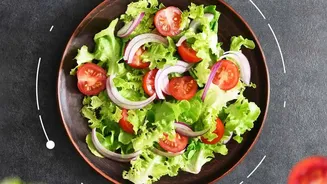
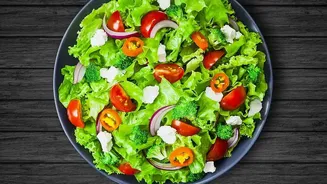
For the vast majority of green salads, especially those with delicate leaves, the cardinal rule is to add the dressing immediately before serving. This gives you enough time to toss everything together for an even coating without allowing osmosis to ruin the texture. If you're at a dinner party, you can even prepare the dressing in the bottom of the salad bowl, place the greens on top without mixing, and then toss it all together right when you're ready to serve. This ensures every leaf is perfectly crisp when it hits the plate. Waiting until the last minute is the single most effective strategy for preventing a soggy salad.
Not All Greens Are Created Equal
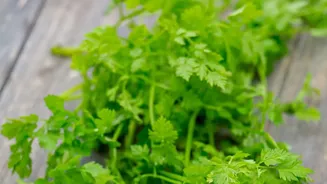
The golden rule has some important exceptions. The type of green you're using makes a huge difference. Tender greens like baby spinach, arugula, and most lettuces have delicate cells that wilt quickly and should always be dressed last. However, hearty greens and brassicas—such as kale, cabbage, Swiss chard, and shaved Brussels sprouts—have much tougher, more fibrous leaves. These sturdy greens not only stand up to dressings but actually benefit from being dressed in advance. The acid in the dressing helps to tenderize the tough fibres, making them more palatable and flavourful. For these types of salads, you can add the dressing anywhere from 30 minutes to a few hours before serving.
Salads That Love to Marinate
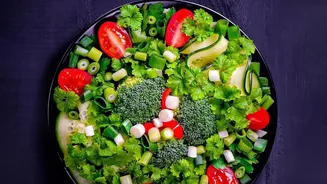
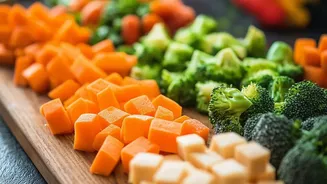
Some salads are designed to be made ahead of time. These are typically salads that don't use delicate lettuce as a base. Grain-based salads with quinoa, farro, or couscous, pasta salads, and bean salads all improve as they sit, allowing the ingredients to absorb the dressing's flavour. Salads made from sturdy vegetables like broccoli, carrots, and fennel also hold up well. Coleslaw is a classic example of a salad that tastes better after the cabbage has had time to marinate and soften slightly in the creamy dressing. Potato salads and cucumber salads with sour cream or yogurt dressings are other popular examples that benefit from chilling for a few hours.
Smart Strategies for On-the-Go Salads
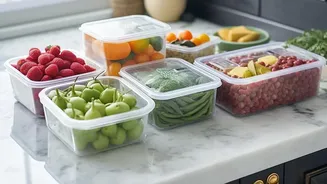
If you're packing a salad for lunch, keeping the components separate is key to maintaining freshness. Pack your dressing in a small, leak-proof container to add just before eating. Another popular method is the mason jar salad, where you strategically layer ingredients. Pour the dressing in the bottom of the jar, followed by hard vegetables and proteins, and finally, place the delicate greens at the very top, far away from the moisture. When you're ready for lunch, just shake the jar to combine everything. For any meal-prepped salad, it's also wise to keep crunchy toppings like nuts, seeds, or croutons separate until serving time to ensure they don't lose their texture.