





The Case for Morning Yoga: Awaken Your Body and Mind
Starting your day with yoga can be a powerful way to set a positive and productive tone. A morning practice kick-starts your metabolism, boosts circulation, and can improve your mood for the entire day. The quiet stillness of the early hours provides
a distraction-free environment, making it easier to build a consistent habit. This practice aligns with the body's natural circadian rhythm, our internal 24-hour clock that regulates the sleep-wake cycle. Morning movement helps to regulate cortisol levels, which naturally peak after waking, balancing your energy and keeping stress in check. Traditionally, many yoga lineages favour morning practice during a period known as 'Brahmamuhurta,' considered an auspicious time for spiritual activities. Even if you're not a natural early riser, a short morning session can invigorate the nervous system, sharpen mental focus, and prepare you to handle daily stressors with greater calm.
Energising Asanas to Start Your Day
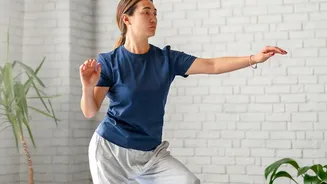
Not all yoga is created equal, and a morning routine should focus on poses that build heat and awaken the body. Sun Salutations (Surya Namaskar) are a classic choice, designed to warm up the entire system and get blood flowing. Poses like Cat-Cow (Marjaryasana-Bitilasana) gently wake up the spine, which can be stiff after sleep. Downward-Facing Dog (Adho Mukha Svanasana) stretches the hamstrings and increases blood flow to the brain, helping you feel more alert. For building strength and energy, consider standing poses like Warrior II (Virabhadrasana II) and Chair Pose (Utkatasana). Gentle backbends such as Cobra Pose (Bhujangasana) open the chest and can provide an instant energy lift.
The Argument for Evening Yoga: Unwind and Prepare for Rest
For those whose days are packed from dawn till dusk, an evening yoga session offers a much-needed transition from a state of 'doing' to 'being'. This practice is less about building energy and more about releasing it. An evening routine helps to calm the nervous system, shifting it from the 'fight or flight' sympathetic state to the 'rest and digest' parasympathetic state. This shift helps lower heart rate and blood pressure, creating the physiological conditions for sleep. Studies have shown that a regular yoga practice can improve both sleep quality and duration. After a long day of sitting or standing, evening yoga can release built-up tension in the hips, shoulders, and back, alleviating physical discomfort that might otherwise keep you awake. Your body is also naturally more flexible in the evening after moving around all day, which can make some poses feel more accessible.
Restorative Poses for a Peaceful Night
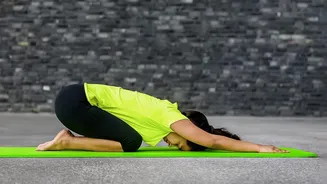
An evening practice should be grounding and soothing. Avoid energising inversions or intense backbends. Instead, focus on restorative postures that encourage relaxation. Child's Pose (Balasana) is a deeply calming forward bend that can soothe the mind. Legs-Up-The-Wall (Viparita Karani) is one of the most effective poses for sleep, as it helps relieve tired legs and quiet the nervous system. Gentle twists like the Reclining Spinal Twist (Supta Matsyendrasana) help release tension in the spine. Other beneficial poses include Seated Forward Bend (Paschimottanasana) and Happy Baby Pose (Ananda Balasana), both of which focus on gentle release and stillness. The goal is to move slowly, hold poses comfortably, and focus on deep, steady breathing.
The Expert Verdict: It’s About Your Goals, Not the Clock
So, which is better? The consensus among experts is that there is no single best time to practice yoga. The most effective routine is the one you can stick with consistently. The choice ultimately depends on your personal goals, daily schedule, and your body's own unique rhythm. If your aim is to boost energy, improve focus, and build a consistent morning ritual, then rising with the sun is likely your best bet. If your goal is to de-stress, release physical tension, and improve your sleep quality, then an evening practice will serve you better. Don't be afraid to experiment. Try a week of morning yoga, followed by a week of evening sessions, and notice how your body and mind respond. You might even find that a combination of a short, energising flow in the morning and a few calming stretches before bed is the perfect solution.