
More Than a Meal, It's an Experience
In India, festivals are deeply intertwined with food, which symbolizes prosperity, togetherness, and joy. Traditionally, this meant elaborate home-cooked meals, but as lifestyles change, more families are choosing to celebrate by dining out. This shift
comes with a new expectation: a restaurant meal should feel as special as a festive home-cooked feast. Diners are no longer content with the standard à la carte menu. They are looking for an experience that captures the essence of the occasion, turning a simple meal into a cherished memory. Restaurants are tapping into this sentiment, understanding that during festivals, food becomes a central part of the celebration itself.
The Rise of Curated Menus
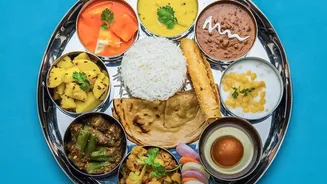
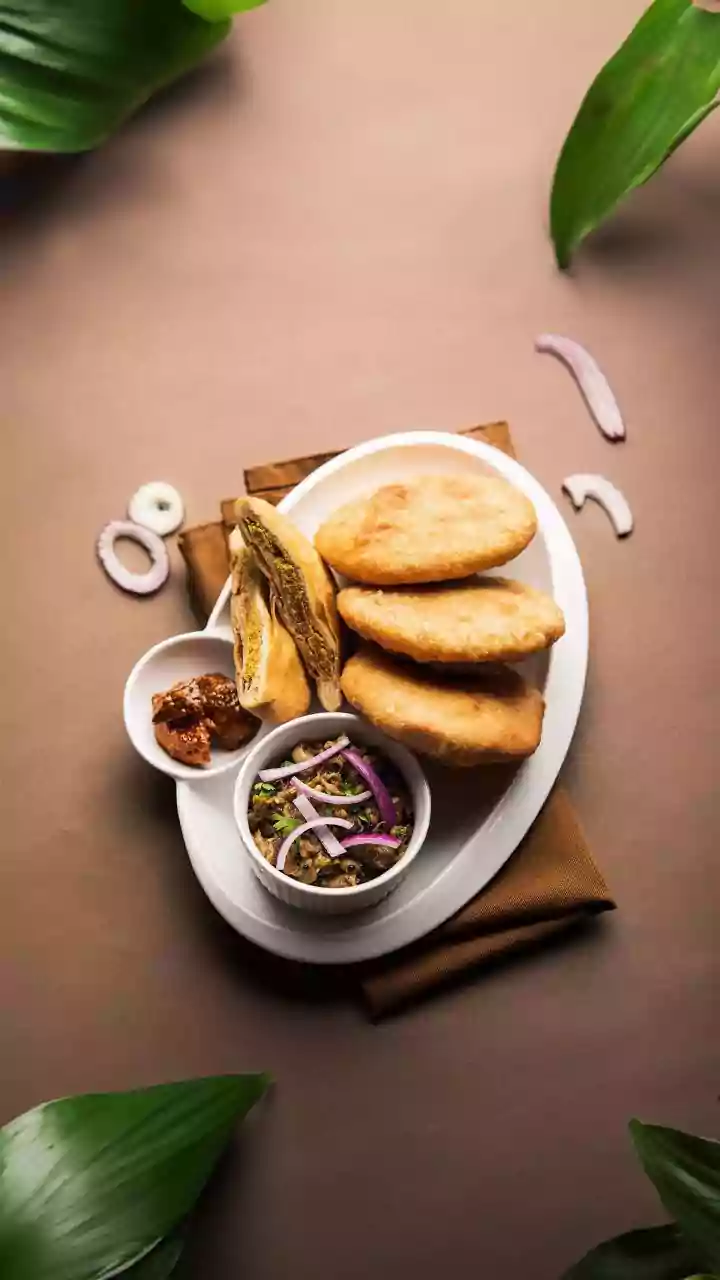
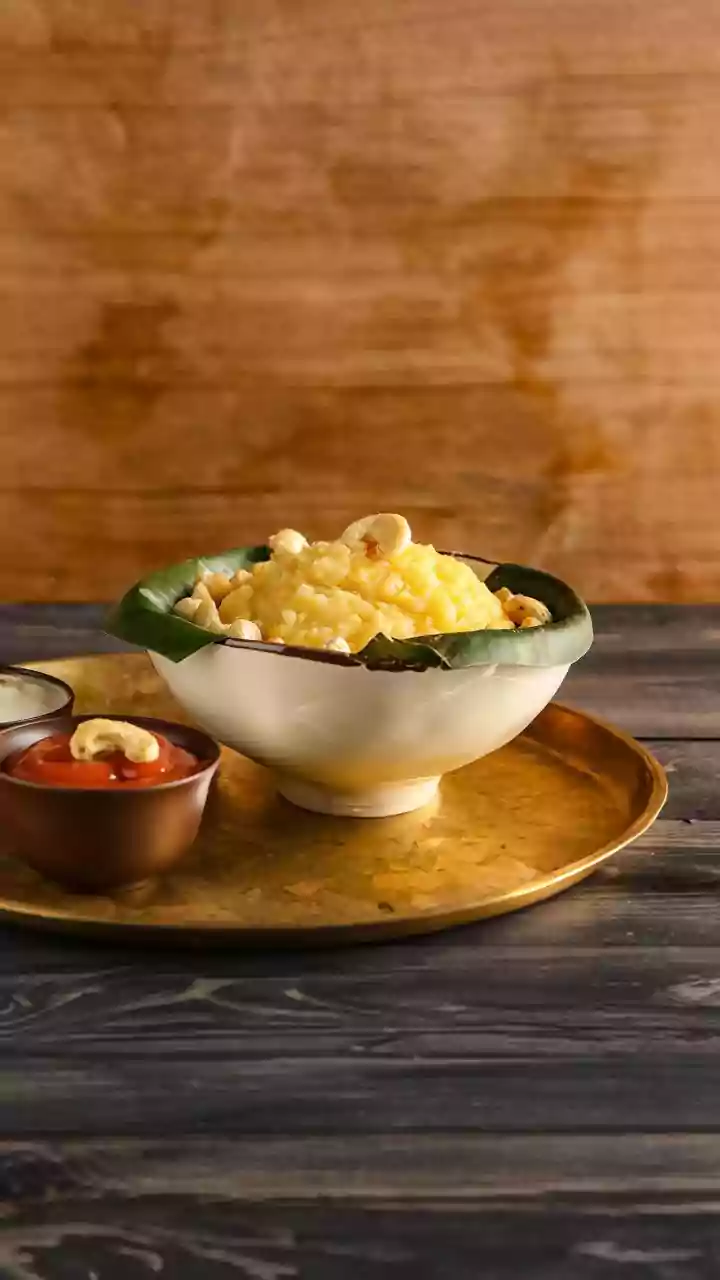
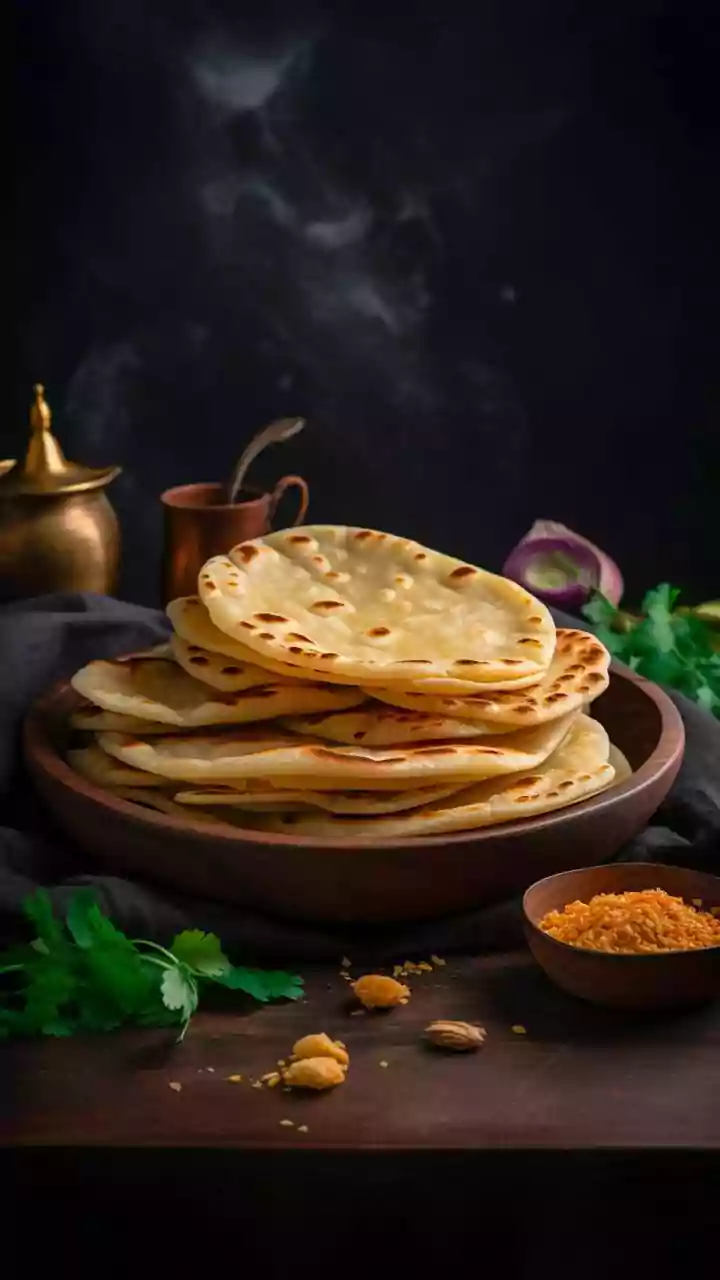
In response, restaurants across the country are rolling out special, limited-time menus designed specifically for festivals. For Navratri, this often means elaborate 'vrat-friendly' or sattvik thalis, which adhere to fasting traditions without compromising on flavor. These thalis feature dishes made with permissible ingredients like buckwheat flour (kuttu), water chestnut flour (singhara), and rock salt. For Diwali, the focus shifts to indulgent spreads, with many establishments offering luxurious multi-course tasting menus, lavish buffets, and regional specialities that evoke a sense of celebration. These menus often come with festive names like 'Diwali Nights' or 'Festive Spread' and are designed to provide a complete, hassle-free celebratory dining experience.
Innovating Within Tradition
The most exciting aspect of this trend is the culinary creativity it has unleashed. Chefs are not just recreating traditional recipes; they are reinterpreting them with a modern flair. This has led to a wave of innovative fusion dishes that blend familiar festive flavours with global techniques. For example, you might find Vegetable Biryani Arancini, Butter Chicken Pasta, or desserts like Gulab Jamun Doughnuts and Rasmalai Tres Leches Cake on a Diwali menu. This approach allows diners to enjoy the nostalgia of traditional tastes presented in a new and exciting way, respecting the roots of the cuisine while offering a novel experience.
The Business of Celebration
From a business perspective, festive menus are a strategic masterstroke. They create buzz, attract footfall, and give restaurants a reason to engage with customers. In a competitive market, a unique Diwali or Navratri menu can be a significant differentiator, drawing in both loyal patrons and new customers looking for something special. These curated experiences often allow for premium pricing, boosting revenue during a key business period. By aligning their offerings with the cultural calendar, restaurants are not just selling food; they are selling an event, an experience that resonates deeply with the festive spirit of their clientele.