






Your Monsoon Hiking Gear Checklist
The right gear is your first line of defence against the elements. Start with footwear. Good trekking shoes with deep grooves for grip are non-negotiable to handle slippery rocks and muddy trails. They should provide ankle support and ideally be waterproof.
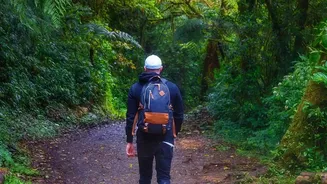
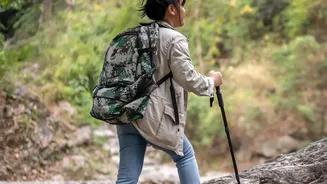
Next is clothing. Opt for lightweight, quick-drying synthetic fabrics. Avoid cotton, which absorbs water and stays wet. A reliable waterproof poncho or a two-piece rain jacket and pants set is crucial. To keep your belongings dry, use a rain cover for your backpack and pack electronics, a change of clothes, and a first-aid kit in separate waterproof dry sacks or ziplock bags. A trekking pole can be invaluable for maintaining balance on slick terrain and gauging the depth of water crossings.
Weathering the Storm: Crucial Precautions
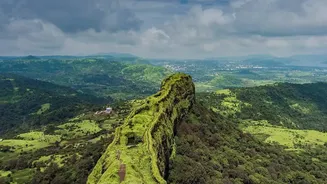
Monsoon weather is famously unpredictable. Always check the local forecast before you leave, but be prepared for sudden changes. The primary dangers are not just the rain itself, but its consequences: flash floods, landslides, and swollen streams. Never attempt to cross a fast-flowing stream; what looks manageable can become dangerous in minutes. Start your trek early in the day to avoid poor visibility and thunderstorms that often build in the afternoon. Be extremely cautious on exposed ridges and stay off near-vertical rock sections during active rain, as wet lateritic and basaltic rock can become incredibly slippery. Inform a friend or family member of your exact route and your expected return time.
The Unseen Challenges: Leeches and Trails
Monsoon treks in the Western Ghats almost guarantee an encounter with leeches. While largely harmless, they are a nuisance. The best prevention is to wear full-sleeved shirts and tuck your long trousers securely into your socks. Anti-leech socks or gaiters offer an extra layer of protection. You can also apply repellents, or simple mixtures like salt water or diluted antiseptic liquid on your shoes and socks. If a leech attaches, don't panic or pull it off forcefully, as its mouthparts can remain in the skin. Instead, gently slide a fingernail under its mouth to break the suction or sprinkle salt on it, after which it will detach. Clean any bites with an antiseptic afterwards.
Treading Lightly: Essential Eco-Rules
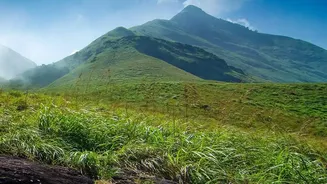
The Western Ghats are a UNESCO World Heritage site and a global biodiversity hotspot, making responsible trekking vital. Many areas have strict regulations to minimise environmental impact. A core principle is to leave no trace. This means packing out everything you pack in, including food wrappers and plastic bottles. Stick strictly to marked trails to prevent soil erosion and disturbance to fragile ecosystems. Several states, like Karnataka, have introduced online booking systems to manage the number of trekkers and prevent overcrowding, so always check for permits in advance. Hiring a local guide is highly recommended; it not only enhances your safety and experience but also supports the local community.