



The Allure of the Impulse Buy
The modern shopping experience, both online and in-store, is designed to encourage impulse purchases. Limited-time sales, targeted ads showcasing the latest micro-trends, and the fear of missing out can lead to a wardrobe full of pieces that don’t reflect
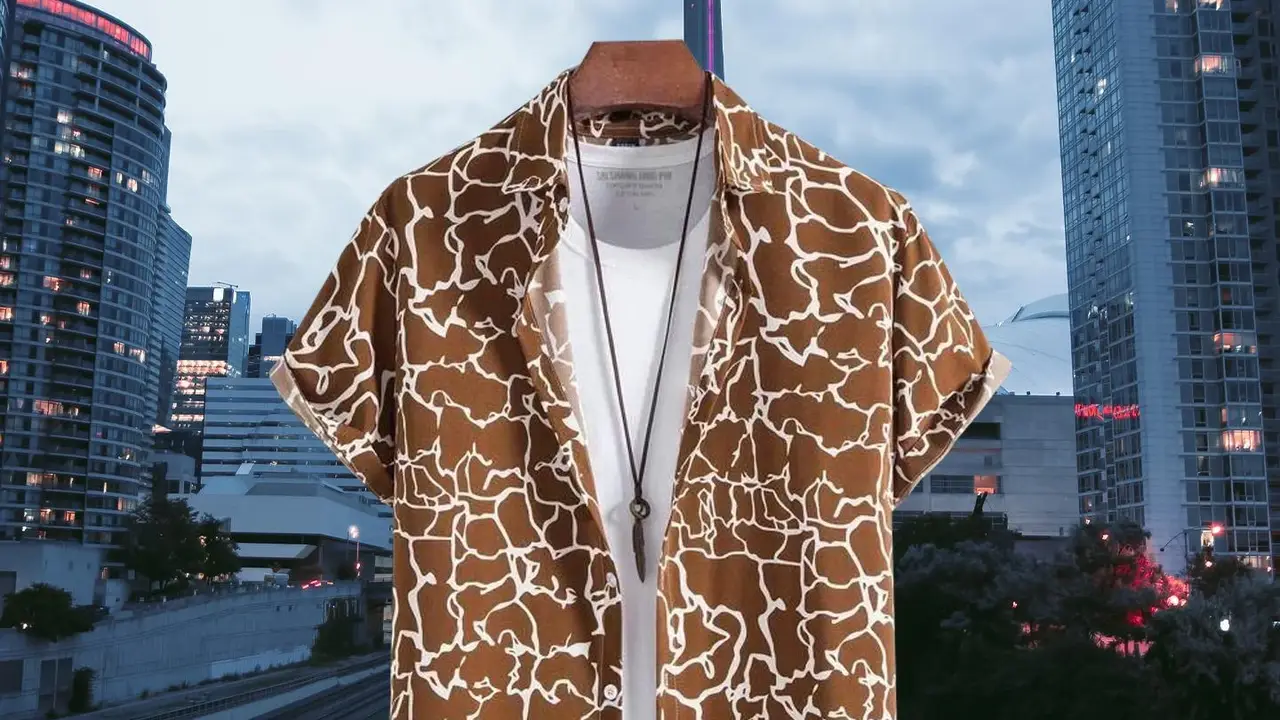
your personal style or fit into your daily life. These are the clothes bought on a whim—a brightly patterned top that goes with nothing else you own, or a style of jeans that felt exciting for a moment but uncomfortable in practice. This cycle of reactive shopping leads to clutter, waste, and the persistent feeling of having nothing to wear, because your closet is filled with isolated items rather than a cohesive collection. Most people actively wear only about 20% of the clothes they own, which highlights how often our purchases are driven by fleeting wants instead of genuine needs.
The Psychological Power of a List
Creating a written shopping list is a powerful act of intention. Psychologists note that the simple act of writing things down by hand engages higher cognitive skills like planning and self-control. When you transfer a thought from your mind to paper, you are forced to clarify it. This process, known as cognitive offloading, frees up mental space, allowing your brain to focus on making better decisions rather than just trying to remember things. A study in the Journal of Consumer Research found that shoppers with lists were significantly less likely to make unplanned purchases. The list acts as a physical reminder of your goals, making you more mindful and less susceptible to the tempting marketing strategies designed to trigger impulse buys. It provides structure and transforms shopping from a reactive hunt into a purposeful mission.
Step 1: Conduct a Wardrobe Audit
Before you can write a list of what you need, you must first understand what you have. The first step is to conduct a thorough wardrobe audit. Take everything out of your closet and assess each item. Sort your clothes into three piles: keep, donate/sell, and unsure. For the 'keep' pile, only include items that you love, that fit you well right now, and that you've worn in the last year. Be honest with yourself about the 'unsure' pile; if you haven't reached for it, there's probably a reason. This process gives you a clear picture of what you truly wear and helps you identify recurring themes in your style. It also reveals the 'wardrobe orphans'—those items you love but can't wear because you don't have the right piece to go with them.
Step 2: Identify the Gaps
With a clearer view of your existing wardrobe, you can now identify the gaps. Think about the outfits you tried to create but couldn't because a key piece was missing. Did you have several great skirts but no simple, versatile tops to pair them with? Do you own beautiful kurtas for festive occasions but lack the right trousers or palazzos? These are your wardrobe gaps. Keep a running note on your phone or a notepad in your closet. Every time you get dressed and think, "I wish I had a...", write it down. This list of 'missing' items isn't based on a fleeting trend you saw online, but on the practical, daily needs of your own life and style. This is the foundation of your shopping list.
Step 3: Craft and Commit to Your List
Now, turn your observations into a specific, actionable shopping list. Instead of writing 'new top', be descriptive: 'a white, long-sleeved linen shirt' or 'a pair of classic blue straight-leg jeans'. The more specific you are, the less likely you are to be distracted by something that doesn't fit your criteria. This list separates genuine needs from passing interests. When you go shopping, whether online or in-person, stick to your list. If an item isn't on it, give yourself a cooling-off period, like a 24-hour rule, before considering a purchase. Often, the desire will fade, proving it was a temporary trend interest, not a true wardrobe necessity. This mindful approach is not just good for your wallet; it's a step towards more sustainable consumption, a movement gaining ground across India as consumers increasingly value quality and longevity over fast fashion.