



The Art of the Slow Steep
First, let's clarify what this isn't: it’s not just hot tea that has been left to cool down. The magic of slow-steeped or cold brew tea lies in its gentle, patient preparation. Instead of shocking tea leaves with hot water, this method involves steeping
them in cold or room-temperature water for an extended period, often between 6 to 12 hours. This slow infusion process fundamentally changes the flavour profile. Hot water extracts tannins more aggressively, which can lead to bitterness. Cold brewing, by contrast, results in a drink that is remarkably smooth, naturally sweeter, and less astringent. It also tends to have less caffeine, making it a perfect all-day beverage. The result is a clean, nuanced drink that allows the true character of the tea and its ingredients to shine, without the need for heaps of sugar to mask any harshness.
Celebrating India’s Botanical Heritage
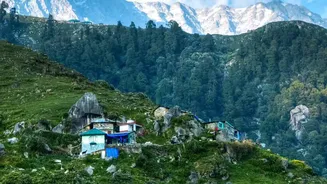
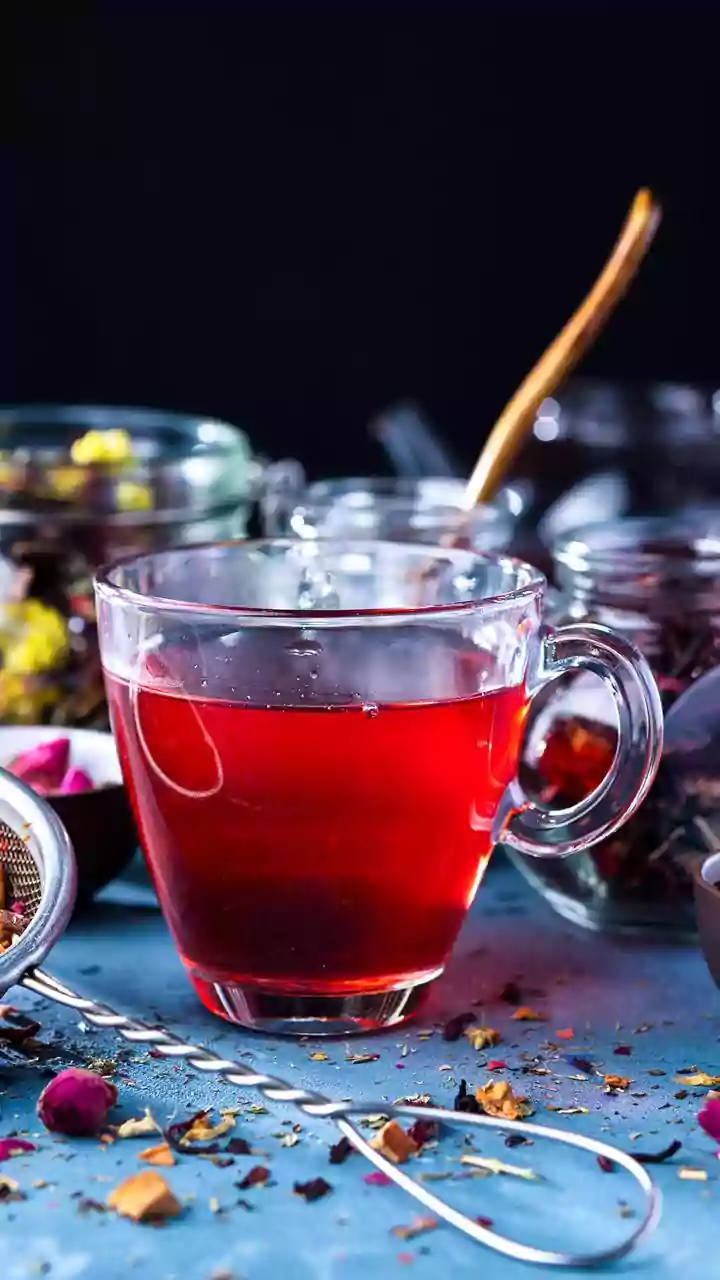
The real star of this trend is the thoughtful use of indigenous Indian botanicals. This movement is a celebration of local flora, moving beyond standard lemon and mint to embrace ingredients deeply rooted in our traditions. We're seeing a resurgence of flowers, herbs, and spices that have been part of Indian wellness and cuisine for centuries. Think of vibrant, antioxidant-rich hibiscus (gudhal), the earthy and adaptogenic notes of ashwagandha and tulsi, and the stunning, fragrant rhododendron flowers (buransh) from the Himalayas. Artisanal brands and savvy cafes are crafting blends that tell a story, incorporating ingredients like butterfly pea flower, which gives a dramatic hue; moringa for a wellness boost; and even the unique tartness of jamun. These botanicals provide complex flavours and aromas naturally, making the addition of artificial syrups completely redundant.
The Conscious Choice: Flavour Without the Syrup
The move towards syrup-free beverages is a significant part of a larger shift in consumer habits across India. Health-conscious millennials and Gen Z are driving the demand for cleaner, more natural products. They are actively reading labels and rejecting drinks loaded with refined sugars, artificial flavours, and empty calories. A report from 2026 noted a significant rise in demand for low-sugar and unsweetened options, particularly in the beverage sector. This trend isn’t about deprivation but about making smarter, more informed choices. Slow-steeped botanical teas fit perfectly into this new wellness paradigm. They offer a sophisticated and flavourful experience that feels like an indulgence, but without the associated sugar crash, aligning with a lifestyle that values both pleasure and well-being.
A Modern Twist on Timeless Tradition
What makes this trend so compelling is that it’s not about replacing traditional chai but re-imagining Indian flavours for a modern palate. It represents a fusion of global techniques—like the cold brew method popularised by coffee culture—with hyperlocal ingredients. It’s a way of honouring Ayurvedic wisdom and grandmother’s remedies in a format that is chic, convenient, and Instagram-worthy. This revival is happening across the food and beverage industry, with indigenous ingredients finally getting the main-character treatment they deserve. By presenting familiar botanicals in a new light, these cold teas are making heritage 'cool' and connecting a new generation to the agricultural and medicinal wealth of the subcontinent.
Where to Experience the Trend
This beverage revolution is brewing primarily in India’s metropolitan hubs. Upscale cafes in cities like Mumbai, Delhi, and Bangalore are increasingly featuring artisanal cold brews on their menus as a premium alternative to iced coffee. Alongside these cafes, a growing number of homegrown, direct-to-consumer (D2C) brands are emerging, offering bottled cold brew teas and DIY infusion packs. Brands like Sancha Tea and The Tea Ateliier are among those crafting unique blends with local flowers and herbs. Whether you're dining out or browsing online, you can now find exciting flavour combinations that showcase the best of regions like the Nilgiris, which produces teas that are naturally sweet and ideal for cold steeping.