




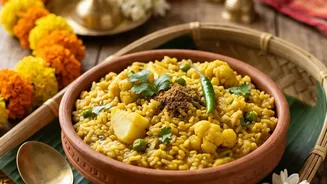


A Return to Ancestral Wisdom
For years, the narrative around healthy eating in India was often influenced by Western trends, from kale smoothies to quinoa salads. While these have their place, a growing number of health-conscious cooks are looking inward, rediscovering the immense
nutritional power hidden in their own regional cuisines. This isn't just about nostalgia; it's a smart, evidence-based shift. The traditional Indian diet, predominantly plant-based, is built on principles of balance, seasonality, and using food as medicine—concepts that modern wellness is only now catching up with. From a hearty Rajasthani dal baati churma to a simple Bengali shukto, these dishes were designed over centuries to provide holistic nourishment using locally available ingredients.
The Science Behind Tradition
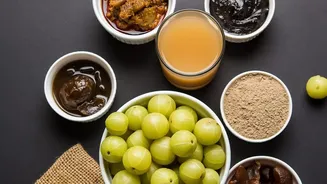
What our ancestors knew intuitively, science is now beginning to confirm. The principles of Ayurveda, which view food as a way to balance the body's energies (doshas), are finding echoes in modern nutritional science. Traditional cooking methods like steaming, slow-cooking, and fermenting are now praised for preserving nutrients and promoting gut health. The use of spices, for instance, is not just for flavour. Turmeric is celebrated for its anti-inflammatory compound, curcumin; ginger and garlic are known for their antimicrobial benefits; and fenugreek (methi) is recognized for its role in regulating blood sugar. These aren't just ingredients; they are functional foods that form the bedrock of preventative health in a traditional Indian thali.
Gut Health, the Indian Way
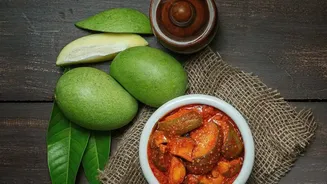
Long before 'probiotics' became a wellness buzzword, Indian households mastered the art of fermentation. South Indian staples like idli and dosa are prime examples. The fermentation process of the rice and lentil batter makes them easier to digest and increases the bioavailability of nutrients like B vitamins and iron. It also populates the gut with beneficial bacteria, which is crucial for strong digestion, a robust immune system, and even mental well-being. Similarly, the Gujarati dhokla, the North Indian kanji (a fermented carrot drink), and traditional homemade pickles are all powerful, natural sources of probiotics that support a healthy gut microbiome.
The Mighty Comeback of Millets
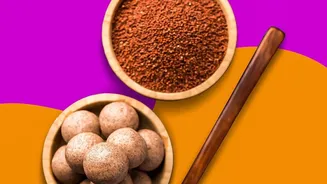
For generations, millets like jowar (sorghum), bajra (pearl millet), and ragi (finger millet) were the staples of the subcontinent before being overshadowed by the Green Revolution's focus on wheat and rice. Today, these ancient grains are making a massive comeback, championed for their incredible resilience and nutritional density. Millets are naturally gluten-free, rich in protein and dietary fibre, and packed with minerals like iron, magnesium, and calcium. Their low glycemic index ensures a slow release of energy, making them ideal for managing blood sugar levels and promoting satiety. As cooks seek alternatives to refined grains, millets offer a link to the past that perfectly meets modern health demands.
Sustainable, Seasonal, and Sensible
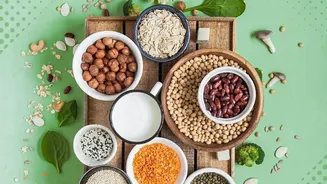
The appeal of these dishes goes beyond personal health; it extends to planetary well-being. Traditional Indian diets have always emphasized eating locally and seasonally. This approach is inherently sustainable, reducing the carbon footprint associated with food transportation and supporting local farmers. Dishes are often built around vegetables that are in season, ensuring maximum flavour and nutritional value. The plant-centric nature of many regional meals is also far less resource-intensive than meat-heavy diets. For the modern cook who is conscious not just of what they eat but also of its environmental impact, this return to regional plant-based traditions is a logical and fulfilling choice.