





Your Vehicle’s Pre-Monsoon Health Check
Your car's ability to handle wet conditions starts long before you turn the key. The single most critical safety system during the monsoon is your set of tyres. Their grip on wet roads is what prevents skidding and hydroplaning. Ensure your tyres have
adequate tread depth—aim for at least 3mm. Worn-out tyres cannot channel water away effectively, drastically increasing your braking distance and risk of losing control. Equally important are your brakes. Wet conditions can reduce their effectiveness, so have your brake pads, discs, and fluid levels checked. Finally, test your visibility systems. This includes wipers, headlights, and fog lamps. Wiper blades often degrade in the summer heat; if they leave streaks or judder across the glass, replace them immediately. Ensure all lights are functional, not just for you to see, but for others to see you.
The Treacherous Road Surface Beneath
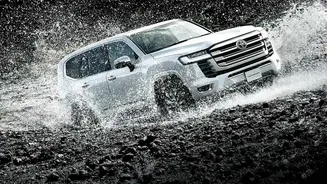
The road itself becomes a primary hazard during the monsoon. Waterlogging is a common issue, and what appears to be a shallow puddle can conceal deep, suspension-breaking potholes or even open manholes. Heavy rains weaken road infrastructure, creating new cracks and potholes that weren't there before. Driving through standing water is exceptionally dangerous for another reason: it can cause catastrophic damage to your vehicle. As little as six inches of water can be enough for you to lose control, and it can be drawn into your engine's air intake, leading to immediate and expensive failure known as hydrolock. A foot of water can be enough to make many cars float, leaving you without any steering or braking control.
The Danger of Losing Control: Hydroplaning
One of the most terrifying experiences for a driver is hydroplaning. This occurs when a layer of water builds up between your tyres and the road surface, causing the vehicle to lose all contact with the road. Suddenly, your steering becomes unresponsive and braking can make the skid worse. Hydroplaning is most likely at higher speeds, but it can happen at any speed depending on water depth and tyre condition. The first few minutes of a rainfall are often the most slippery, as the water mixes with oil and debris on the road, creating a slick film. To prevent it, the most effective strategy is to slow down significantly. Avoid sudden acceleration or braking, and try to steer clear of standing water. If you feel your vehicle start to hydroplane, ease your foot off the accelerator and steer straight until your tyres regain traction. Do not slam on the brakes.
Beyond the Windscreen: Overall Visibility
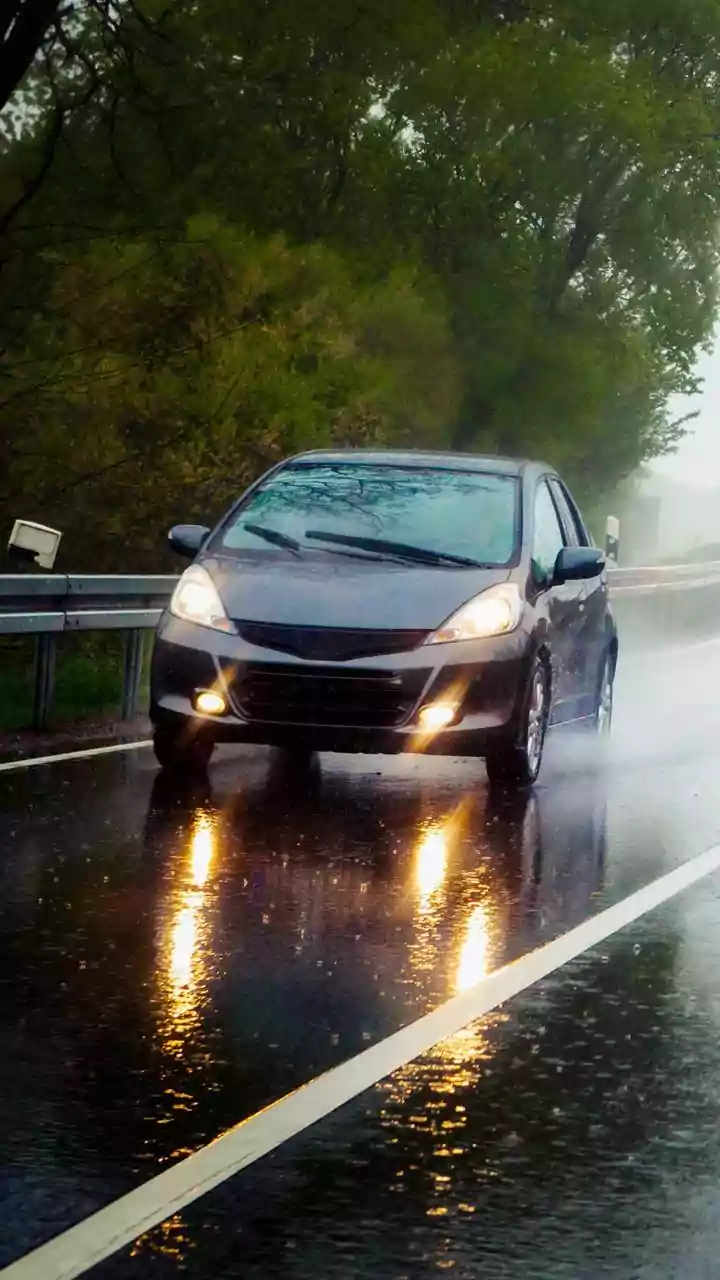
Reduced visibility isn't just about the rain pouring down. Humidity can cause your windows and windshield to fog up from the inside, dangerously obscuring your view. Use your car’s air conditioner and defogger to keep the glass clear. Furthermore, heavy spray from other vehicles, especially on highways, can temporarily blind you. It’s crucial to be seen as well as to see. Always drive with your low-beam headlights on during the day if it's raining. This makes you far more visible to other drivers. Avoid using high beams, as they can reflect off the rain and dazzle oncoming traffic, worsening visibility for everyone.
The Wider Environment and Driver Mindset
The conditions around you extend beyond the road surface. In hilly or ghat regions, landslides are a serious risk, capable of blocking roads entirely. In cities and rural areas, fallen trees and power lines are common after heavy rain and wind. Always stay informed about weather and road conditions before you start your journey. Perhaps the most important factor is your own mindset. Monsoon driving demands patience. Reduce your speed, double your following distance from the vehicle in front, and avoid all distractions. If the rain becomes too heavy and visibility drops to near zero, the safest action is to pull over to a safe location and wait for the storm to ease. Being a few minutes late is always better than not arriving at all.