

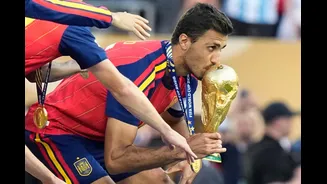


Rodri: The Metronome of the Champions
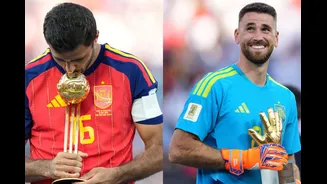
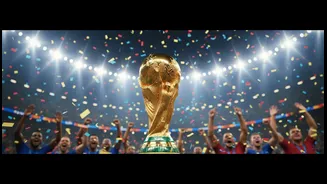
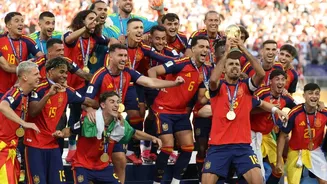
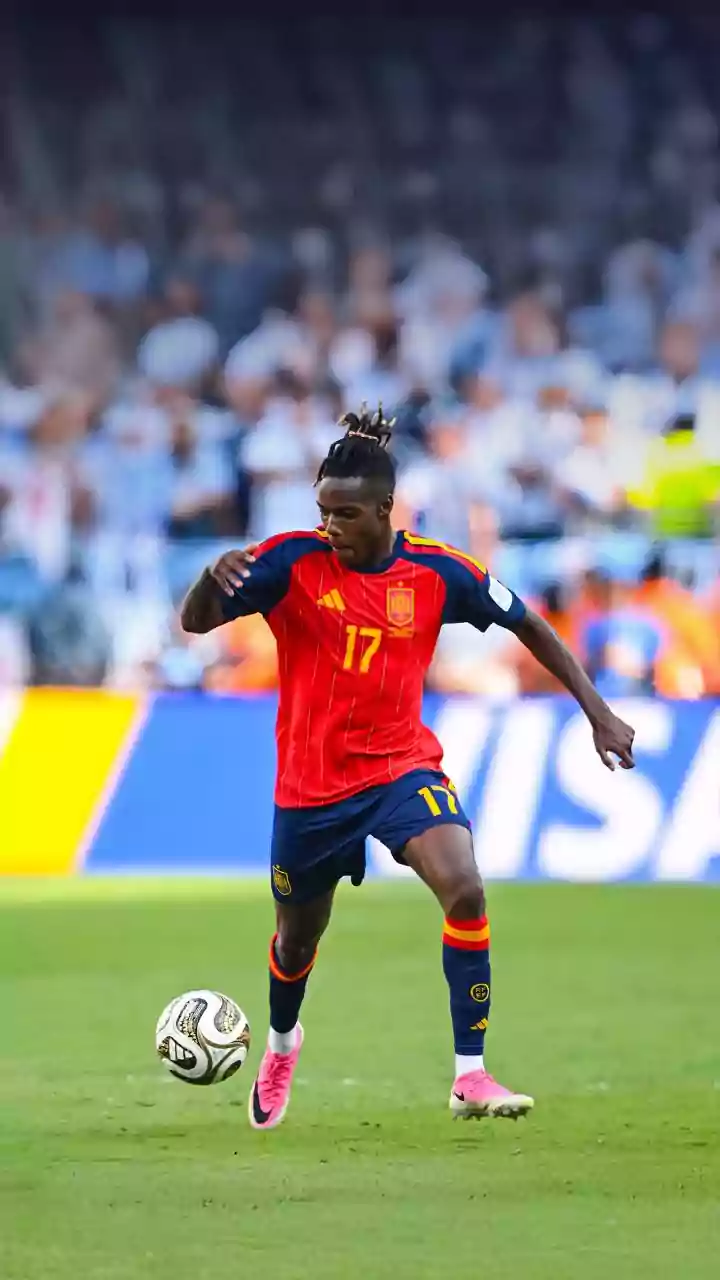
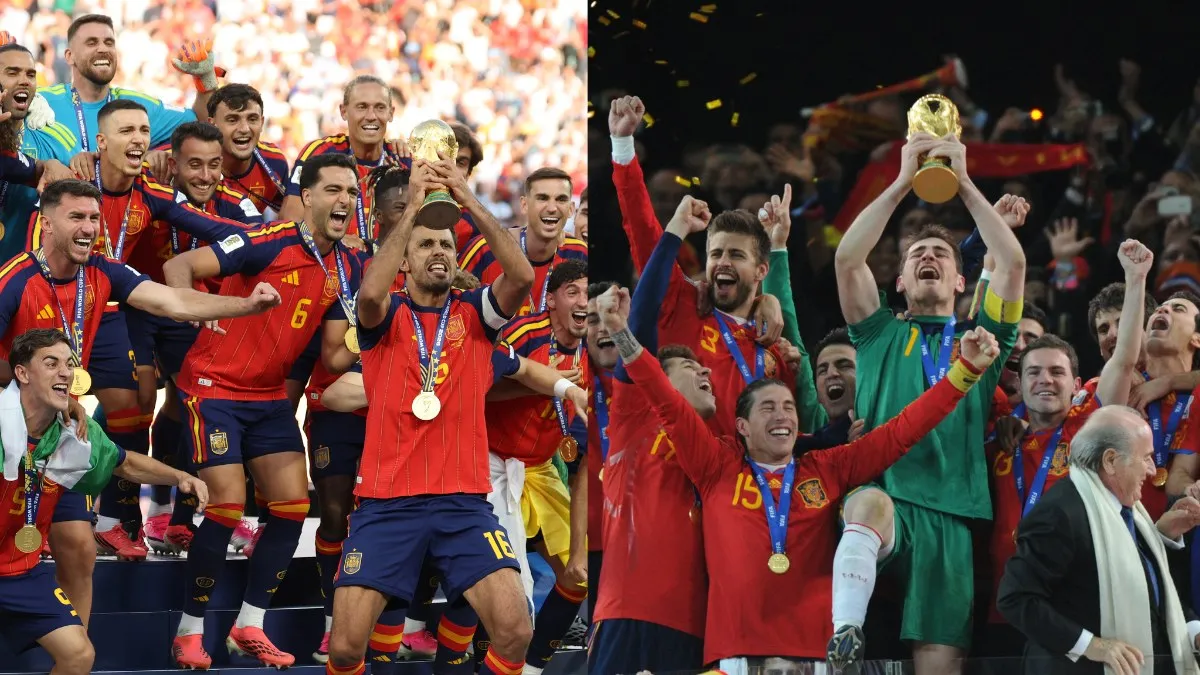
Rodri’s claim to the Golden Ball was built on near-perfect consistency and control. As captain, he was the undisputed engine of a Spanish side that won their second World Cup by dominating opponents. La Roja conceded just a single goal throughout the entire
tournament, a new record for a World Cup champion. This defensive solidity was no accident; it was a direct result of their possession-based style, masterfully orchestrated by Rodri. The midfielder led the tournament in touches, successful passes, and line-breaking passes, effectively dictating the tempo of every match he played. He was the central hub through which all of Spain’s play flowed, a constant presence that provided balance, security, and progressive passing.
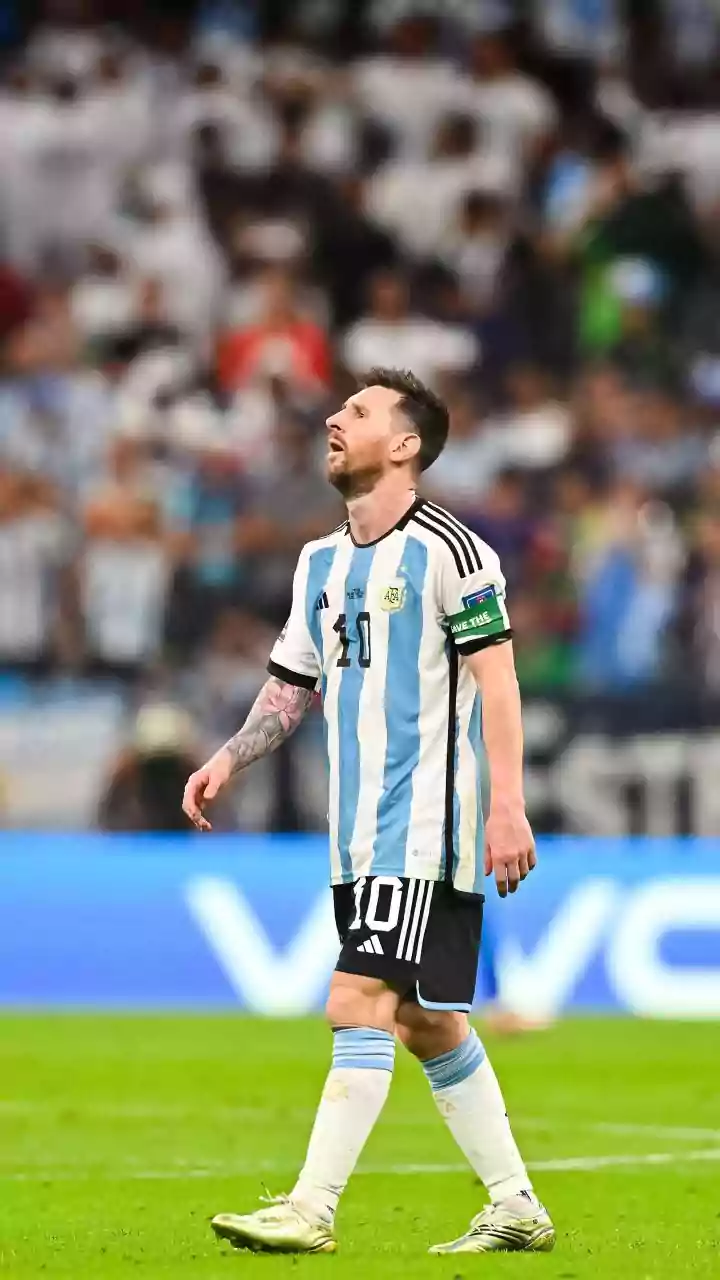
Messi's Last Dance: Moments of Magic
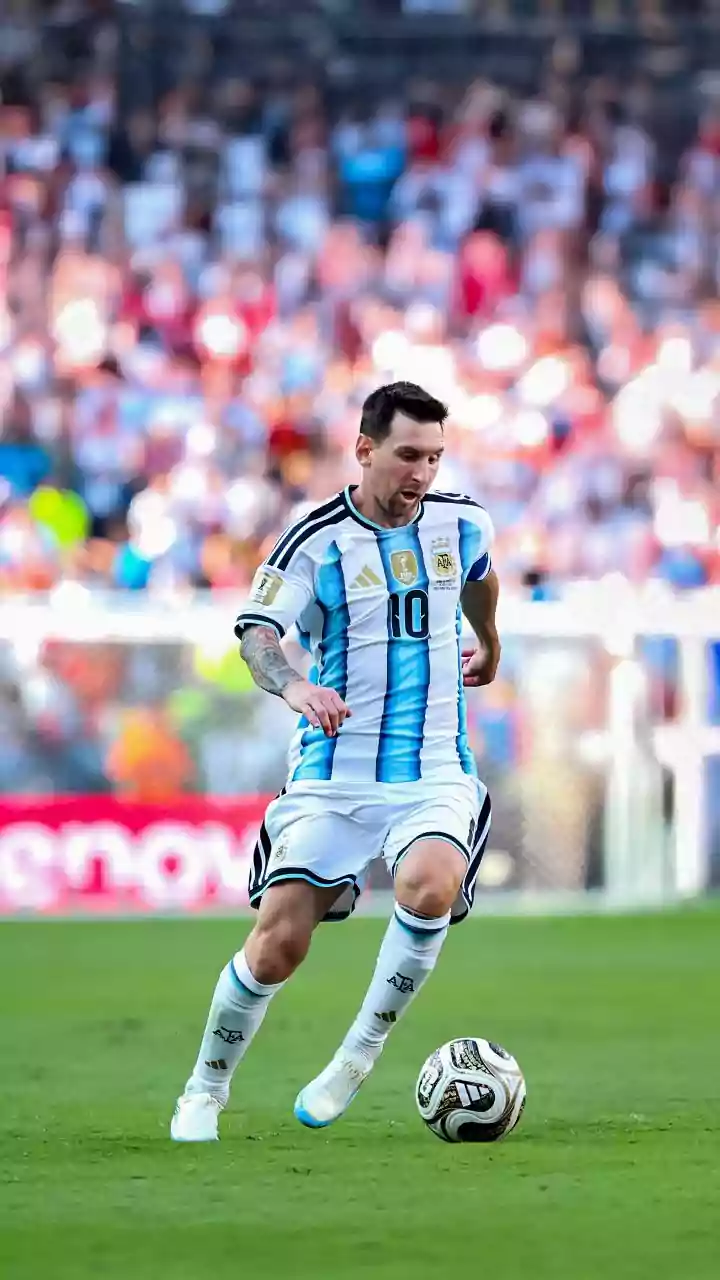
At 39 years old, Lionel Messi was aiming for a storybook ending to his World Cup career and a third Golden Ball. He had an exceptional tournament, leading Argentina to the final with eight goals and four assists. He was directly involved in 12 of his team's 19 goals, often producing moments of individual brilliance to drag his team through difficult matches, including a stunning late comeback against England in the semi-final. Before the final, Messi led the tournament in several key attacking metrics, including completed key passes, and was the heavy favourite for the award. His performance was a testament to his enduring genius, a player still capable of deciding games at the highest level.
The Anatomy of a Golden Ball Win
The Golden Ball is awarded by FIFA's Technical Study Group to the tournament's best overall player, and it is not simply a prize for the top scorer or assist provider. While attacking contributions are crucial, the committee also considers a player's all-around influence, tactical importance, and consistency. Rodri's victory reflects an appreciation for the less glamorous, but critically important, aspects of the game. In the head-to-head final, Spain’s system, with Rodri at its heart, completely neutralized Argentina's attack. The defending champions were held to zero shots for most of the game, a stark illustration of Spain’s control. When the two top candidates met on the biggest stage, Rodri's function triumphed.
Control Over Chaos
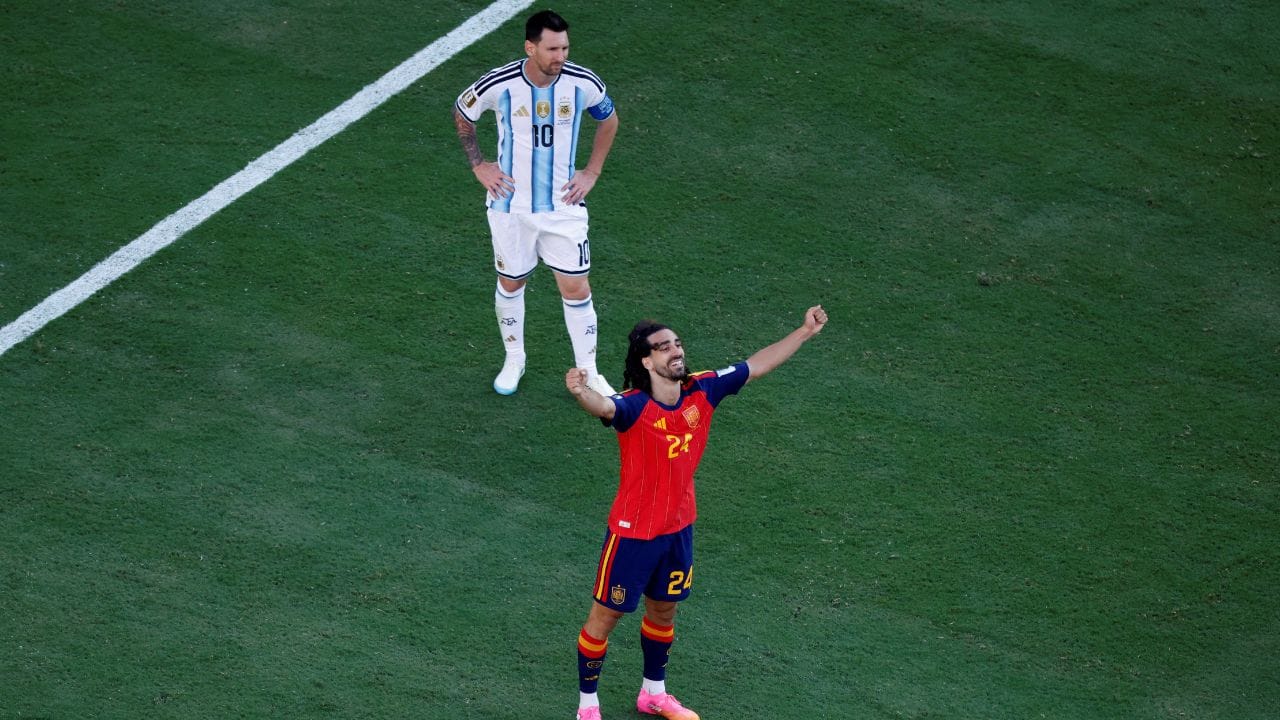
The decision ultimately came down to a contrast in styles: Rodri, the master of control, versus Messi, the master of brilliant, game-changing moments. Messi's tournament was defined by explosive contributions that won matches. Rodri's was defined by a relentless, suffocating control that prevented opponents from ever having a chance to play. The FIFA committee rewarded the player who most comprehensively shaped the environment of the entire tournament. While Messi provided the highlights, Rodri provided the foundation for a historically dominant championship run. His performance in the final, where he won his midfield duels and completed over 95% of his passes, was a microcosm of his tournament: quiet, clinical, and completely dominant.
A Reward for a Different Kind of Greatness
Rodri winning the Golden Ball signals an appreciation for tactical intelligence and the pivotal role of the modern defensive midfielder. In a team full of stars, he was the player who made the system work, allowing others to shine while he controlled the game's rhythm. This was also a personal triumph for a player who fought back from a serious knee injury in recent years, a story of resilience that culminated on the world's biggest stage. While many fans in the stadium chanted Messi's name, the official award recognised a different, but equally valid, form of greatness. It was a victory for the player who was the brain of the world champions.