
More Than Just Fabric
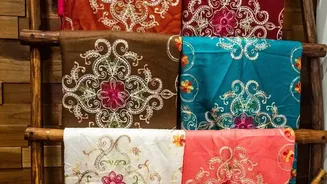
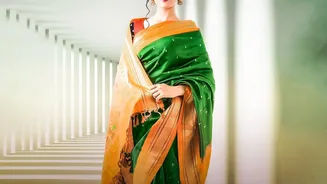
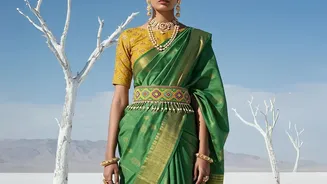
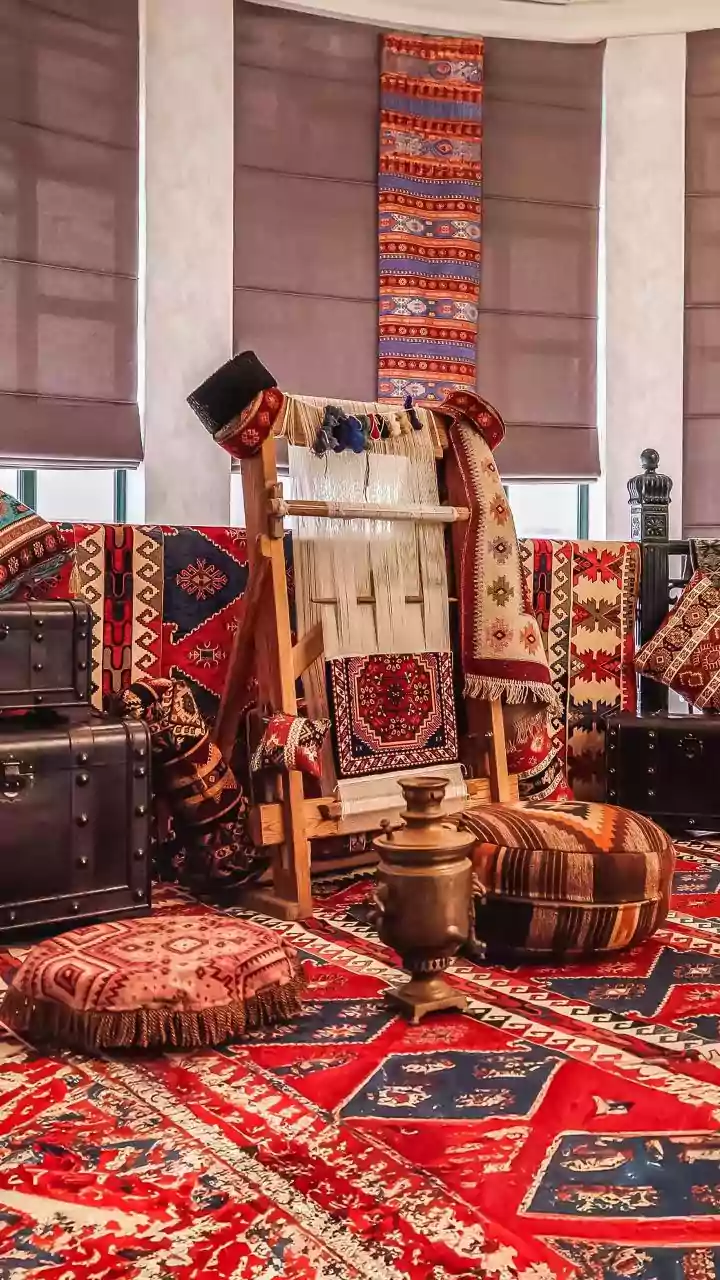
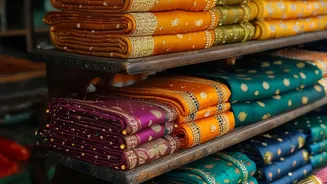
For generations, handloom textiles like Banarasi silk or Jamdani were reserved for special occasions—saris and formal wear carefully stored away. Today, that notion is changing. Designers and homegrown brands are reimagining these heritage fabrics for the modern
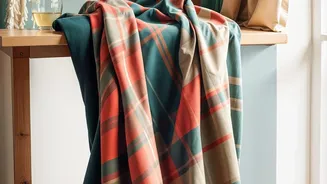
Indian wardrobe. Fabrics prized for their intricate craftsmanship, such as Chanderi, Ikat, and Khadi, are being fashioned into contemporary silhouettes suitable for everything from office meetings to casual brunches. This resurgence is driven by a desire for authenticity and sustainability. Handloom production consumes minimal electricity, often uses natural dyes, and directly supports the livelihoods of artisan communities, making it an ethical and eco-conscious choice in an era of fast fashion.
The Freedom of an 'Easy Cut'
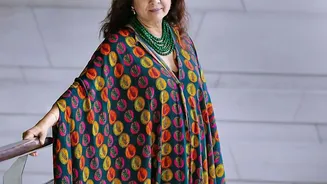
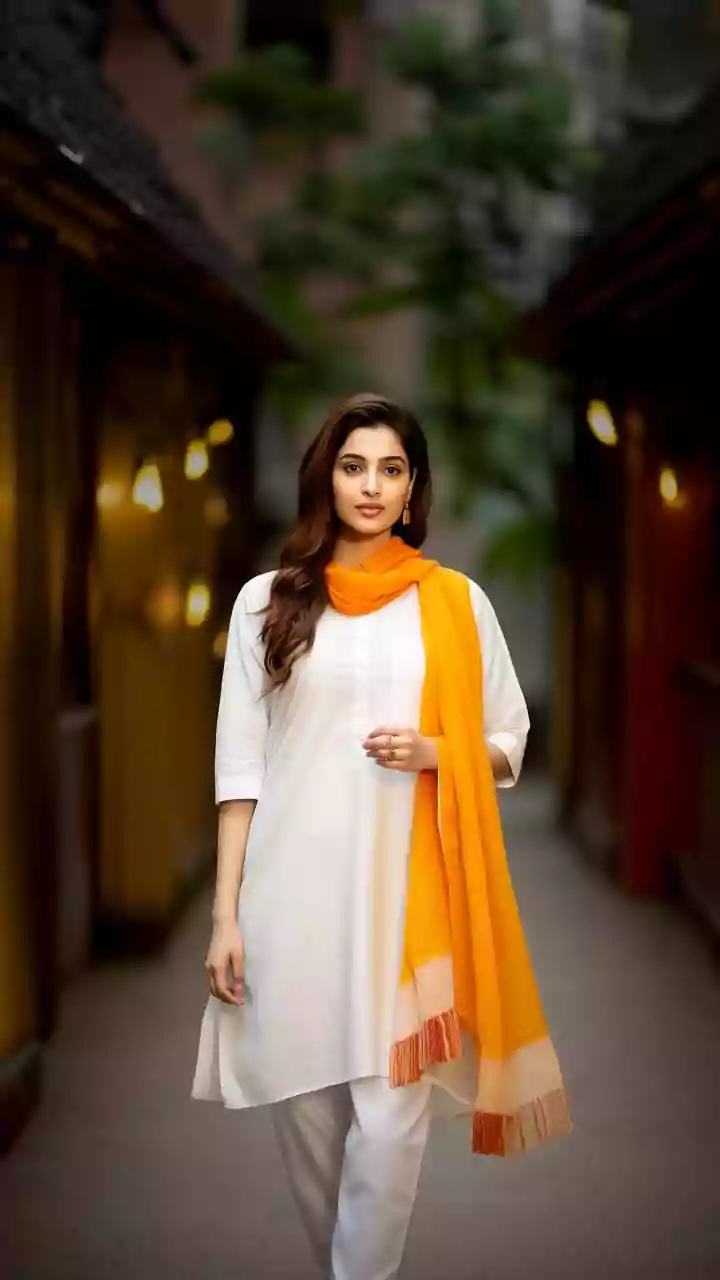
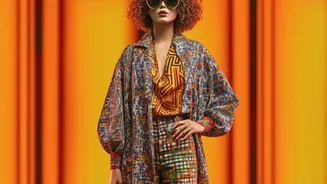
A key part of this revival is the focus on "easier cuts." This refers to a move towards relaxed, anti-fit, and fluid silhouettes that prioritise comfort and movement. Think oversized shirts, wide-leg trousers, versatile co-ord sets, and flowing A-line dresses. These styles are not about hiding the body, but about accommodating it, offering a sense of ease that structured, restrictive clothing often lacks. The post-pandemic normalisation of hybrid work and comfort-first dressing has accelerated this trend, blurring the lines between workwear and loungewear. The result is clothing that is practical for long days, adaptable to different settings, and inclusive of diverse body types.
From Occasion-Wear to an Everyday Staple
Brands across India are making handloom accessible for daily life, proving it doesn't have to be confined to a wedding trousseau. Labels like Raw Mango and Ekaya Banaras are known for giving traditional weaves like Chanderi and Banarasi a contemporary flair, making them desirable for more than just saris. Others focus on creating entire collections of everyday wear—from shirts and dresses to jackets and separates—using hand-spun and handwoven textiles like indigenous cotton and linen. These pieces are moving heritage fabrics out of cupboards and into daily rotation. A crisp linen kurta, a hand-block printed cotton dress, or a smart Jamdani shirt are becoming the new work-from-home and office staples.
A Mindful, Modern Choice
Ultimately, the embrace of handloom and its easier silhouettes signifies a larger cultural shift. It reflects a move towards 'slow fashion'—valuing quality over quantity, and craftsmanship over fleeting trends. Consumers are increasingly making mindful choices, seeking clothes with a story and a connection to cultural heritage. Choosing a handloom garment is a vote for sustainability, a tribute to artisanal skill, and an investment in a piece designed to last. It's a statement that modern style doesn't have to be uncomfortable or disposable. Instead, it can be rooted in comfort, consciousness, and the timeless beauty of a craft passed down through generations.