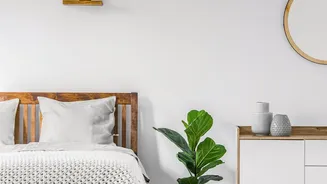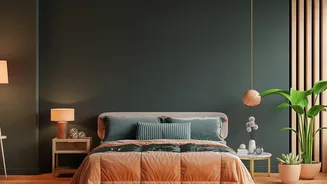



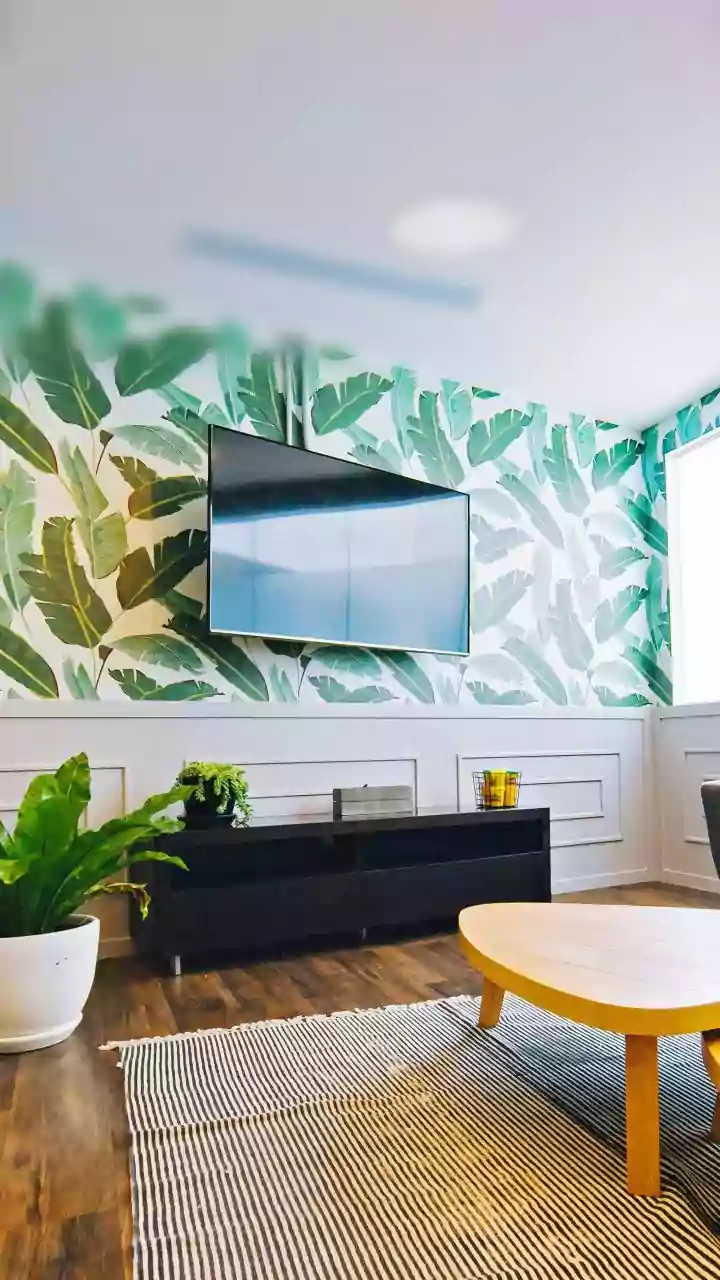

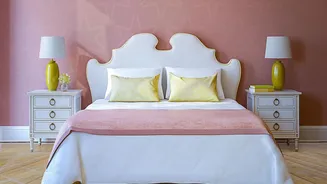
A small bedroom can feel like a puzzle with too many pieces. When floor space is a luxury, every decision matters. But a cramped room doesn't have to be a permanent problem. With a few smart layout and design choices, you can transform it.
Go Vertical and Use Your Walls
The most underutilised
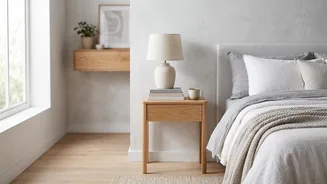
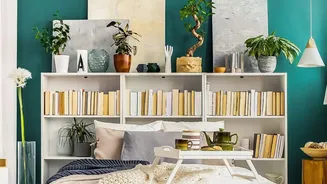
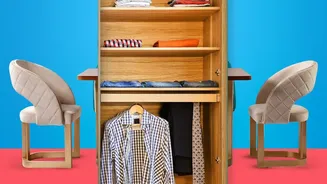
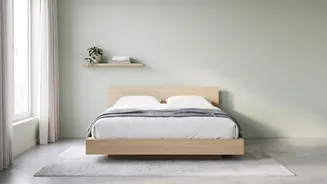
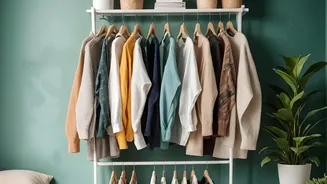
space in any small room is the vertical space. Instead of trying to fit everything on the floor, look up. Walls are prime real estate for storage that doesn't cramp your walking area. Tall, narrow bookshelves or floor-to-ceiling wardrobes draw the eye upward, creating an illusion of height and offering significant storage on a minimal footprint. Consider installing floating shelves above your bed or desk for books and decor, freeing up surfaces. This strategy is about getting items off the floor and onto the walls, which instantly makes a room feel more open and organised.
Choose Smarter, Multifunctional Furniture
In a compact bedroom, every piece of furniture should earn its place. Opt for items that serve more than one purpose. A bed with built-in storage, such as hydraulic lift-up beds or frames with drawers, is a game-changer. This recovers the entire area under your mattress for storing bulky items like luggage or seasonal clothing. Instead of a traditional desk, a wall-mounted, fold-down table can serve as a workspace when needed and disappear when it's not. Similarly, a storage ottoman can act as a seat, a footrest, and a hidden container for odds and ends. This approach reduces the number of individual furniture pieces you need, which is key to preventing a cluttered feel.
Rethink Your Bed's Placement
The default layout for most bedrooms is to place the bed in the centre of the main wall. While this works for larger rooms, it can consume valuable space in a smaller one. Try pushing your bed into a corner. This can free up a surprising amount of central floor space, making the room feel larger and providing more area for movement or other furniture. If your room is long and narrow, placing the bed against the longer wall might improve the walkway and overall flow. Don't be afraid to experiment. Sometimes the most unconventional placement is the one that unlocks the room's full potential.
Use Light and Mirrors to Create Illusion
You can't physically enlarge your room, but you can make it feel bigger. Light colours and mirrors are classic tools for creating an illusion of space. Painting walls in light shades like soft whites, beiges, or pastels helps reflect light, making the walls feel farther apart. A large mirror is one of the most effective tricks in the book. Placing a big mirror on a wall, especially opposite a window, bounces natural light around the room and reflects the space back on itself, creating a powerful sense of depth. This simple addition can make a room feel significantly brighter and less confined.
Embrace a Minimalist and Organised Approach
Maximising space isn't just about clever layouts; it's also about mindset. The goal is not to cram as much as possible into a small room, but to make it functional and comfortable. Start by decluttering and keeping only what you need and love. Avoid filling every surface and wall, as empty space gives the room a chance to 'breathe'. When choosing storage, opt for cohesive systems rather than a mix of random boxes, which can create visual clutter. Prioritise furniture with clean lines and visible legs, which allows you to see more of the floor and enhances the feeling of spaciousness. A tidy, curated room will always feel larger than a disorganised one, regardless of its actual dimensions.