






The Street Food Dilemma
The primary challenge during the monsoon is the increased risk of contamination. High humidity and waterlogging create a breeding ground for bacteria, while the water used by many street vendors can be compromised. This makes popular snacks like pani
puri, bhel puri, and various chaats particularly risky. The ‘pani’ in pani puri is often made with unboiled tap water and raw herbs, which can harbour pathogens causing illnesses like typhoid and diarrhoea. Similarly, pre-cut fruits, salads, and raw chutneys left exposed to the humid air can quickly become contaminated. Even fried items, if cooked in reused oil or left out for long, aren't entirely safe.
Upgrade Your Pakora Game
No monsoon is complete without pakoras, and making them at home is the safest way to indulge. The key is to control the ingredients and hygiene. Instead of leafy greens like spinach, which are harder to clean during this season, opt for pakoras made from corn, onion, potato, or dal. Always use fresh oil for frying, as repeatedly used oil can cause acidity and other digestive issues. Ensure all vegetables are washed thoroughly before being dipped in batter. One of the best homemade options is a simple corn bhel or roasted bhutta (corn on the cob), seasoned with salt and lemon. The heat from roasting or boiling kills most germs, making it a delicious and safe choice.
Embrace Steamed and Baked Snacks
Fried food can feel heavy on the digestive system, which tends to be sluggish during the humid monsoon months. This is the perfect time to explore steamed, baked, or air-fried options. Homemade steamed momos with a fully cooked vegetable or chicken filling are a fantastic alternative to their potentially undercooked street-side counterparts. Other excellent choices include dhokla, idli, and khandvi, which are light, flavourful, and easy on the stomach. For a healthier take on fried classics, try making baked kachoris or palak samosas at home. You can also make vegetable cutlets, shallow-frying them instead of deep-frying for a nutritious yet satisfying snack.
Handle Produce with Extra Care
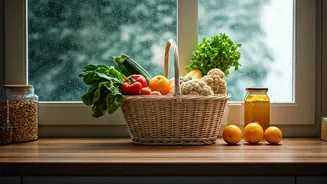
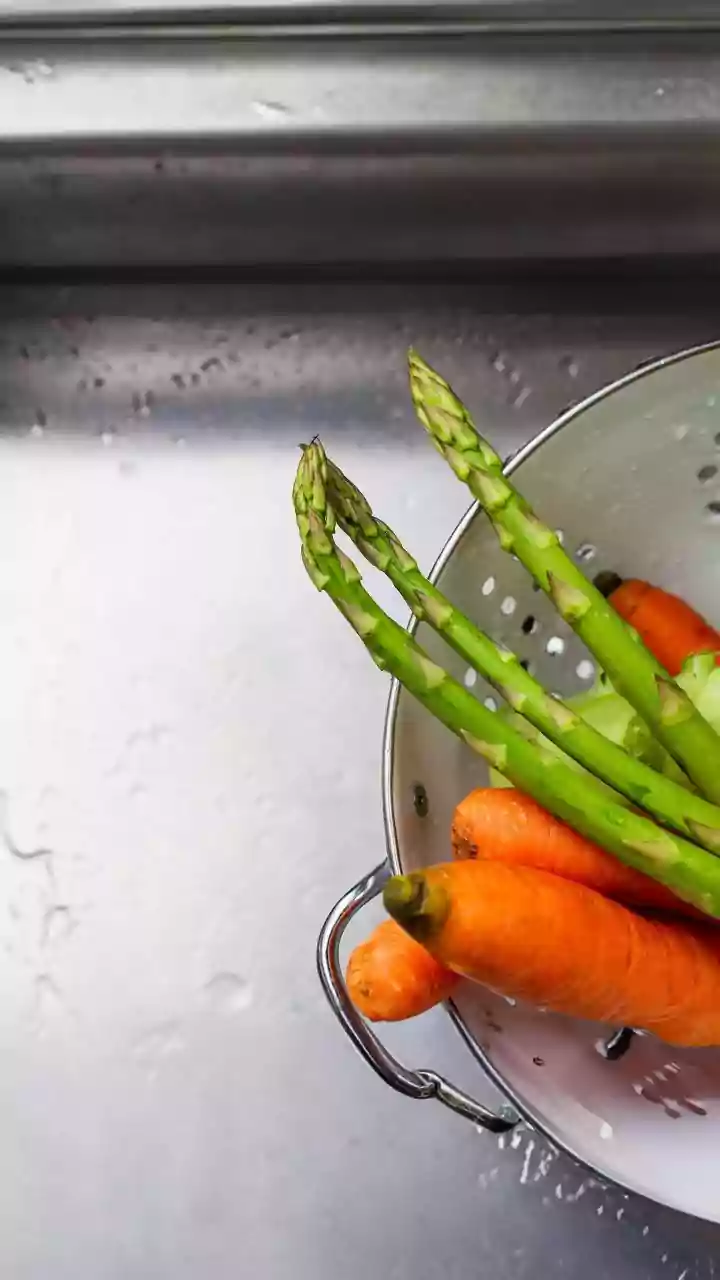
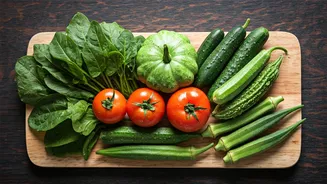
Leafy green vegetables are generally advised against during the monsoon because mud and microbes can cling to the leaves, making them difficult to clean. If you do use them, blanching them in hot water for a minute is essential. For other vegetables, a thorough wash is non-negotiable. Soaking them in a solution of salt water or vinegar can help dislodge hidden insects and reduce surface bacteria. It’s also wise to avoid pre-cut fruits and salads from outside vendors. Purchase whole fruits, wash them thoroughly under running water at home, and consume them immediately after cutting to minimise exposure to contaminants.
Smart Sips for Rainy Days
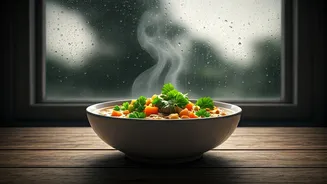
What you drink is just as important as what you eat. Avoid juices from street vendors, as the water, ice, and juicing equipment can all be sources of infection. Instead, stick to bottled water when outside. At home, embrace warm beverages. A hot, comforting bowl of Manchow soup or a simple vegetable broth is both nourishing and hydrating. Nothing beats a classic masala chai, but also consider including immunity-boosting drinks in your routine. Teas made with ginger, turmeric, and tulsi can help strengthen your defences against common monsoon ailments like colds and flu.