



Watch the Watering Can
The single biggest danger to indoor plants during the monsoon is overwatering. With high ambient humidity, the soil in your pots dries out much slower than in summer. [13] Continuing a summer watering routine can lead to waterlogged soil, which suffocates
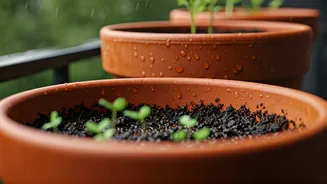
roots and causes root rot—a fungal disease that is often fatal. [15, 17] Before you water, always check the soil. A simple 'finger test' works best: insert your finger about an inch or two into the soil. If it feels moist, wait another day or two before checking again. [7, 23] For most common houseplants, you might find your watering frequency reduces from every few days to once a week or even less. [13, 29] It's also crucial to ensure your pots have excellent drainage holes to let any excess water escape. [4, 10, 15] If your pots stand in saucers, be sure to empty them promptly after watering. [17]
Maximise Available Light
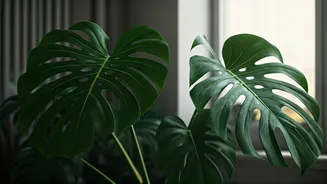
Overcast skies and fewer sunny days mean a significant reduction in light levels, which is crucial for photosynthesis. [5, 7] Your plants, which may have been happy in a corner during the bright summer months, might now struggle. To compensate, move your plants closer to windows or balconies where they can capture as much natural light as possible. [5] Regularly rotating your pots ensures that all sides of the plant get some light exposure. [3] It's also a good idea to wipe down your windows and the leaves of your plants with a damp cloth. Dust and grime can build up, blocking what little light is available. [3]
Boost Air Circulation
High humidity and stagnant air create the perfect breeding ground for fungal and bacterial diseases like powdery mildew and leaf spot. [9, 19, 25] Improving air circulation is one of your best defences. [6] If possible, open windows for a few hours on dry days to get fresh air moving. [12] You can also use a small, oscillating fan on a low setting for a few hours a day to create a gentle breeze. [9, 12] This mimics the natural outdoor environment, helps leaves dry faster, and strengthens plant stems. [6, 9] Avoid overcrowding your plants; giving them adequate space allows air to move freely around each one. [10, 18]
Keep Pests and Fungi at Bay
The damp, humid conditions of the monsoon are an open invitation for pests like mealybugs, aphids, fungus gnats, and spider mites. [3, 22] Fungal diseases are also rampant. [4, 21] Be vigilant and inspect your plants regularly, paying close attention to the undersides of leaves and the soil surface. To prevent fungal issues, avoid getting water on the leaves when you water the plant. [19] As a preventative measure, you can spray your plants with a diluted neem oil solution once every 15 days. [4, 10] Neem oil acts as a natural and effective fungicide and pesticide. [3, 4] Should you spot any pests, you can often manage small infestations by wiping them off with a cotton swab dipped in alcohol or by using an organic insecticidal soap. [3, 11]
Hold Back on Fertiliser
Most indoor plants slow down their growth during the low-light months of the monsoon. [29] Because they aren't actively growing, they don't require as many nutrients. [30] Fertilising your plants now can do more harm than good, as the unused mineral salts can build up in the soil and burn the roots. [2, 7] It's best to pause your fertilising schedule during the peak of the rainy season. [3] If you feel your plants need a boost, use a very diluted liquid fertiliser at half or even quarter strength, and apply it no more than once a month. [30] Organic options like vermicompost or compost tea are gentler alternatives during this period. [2, 14]
Prune and Keep Tidy
Monsoon is an excellent time for a light trim. Pruning helps maintain the shape of your plants and encourages bushier growth once the growing season resumes. [4, 11] More importantly, it helps improve air circulation through the plant's foliage. [11] Regularly remove any yellowing or dead leaves and spent flowers. [3, 10] This not only keeps the plant looking neat but also removes potential spots for pests and diseases to take hold. [10] Always use clean, sharp scissors or pruning shears to make clean cuts and avoid tearing the plant tissue, which can invite infections. [11]