


From Guilt to Goodness
For generations, festive seasons in India have been a delicious marathon of deep-fried snacks, rich curries, and sugar-laden sweets. The unspoken rule was to indulge now and worry later. This often led to post-festival feelings of guilt, bloating, and lethargy.
However, a cultural shift is underway. As health and wellness become year-round priorities, people are seeking ways to enjoy celebrations without abandoning their healthy habits. The new mantra is not about deprivation but about moderation and making smarter choices that allow for enjoyment without the negative after-effects. This evolving mindset redefines festive food, proving that celebration and well-being can go hand in hand.
The Power of the Portion
One of the most significant changes in the modern festive plate is the focus on portion control. This isn't about eating tiny, unsatisfying meals but about being mindful of how much you consume. Nutritionists suggest simple strategies like using smaller plates, which can trick the brain into feeling satisfied with less food. Another popular technique is the 'plate method': filling half your plate with vegetables or salad, a quarter with protein like dal or paneer, and the remaining quarter with carbohydrates such as rice or roti. This ensures a balanced meal. When it comes to sweets, the advice is to savour one or two favourites instead of mindlessly sampling everything on offer. This approach allows you to relish the special treats of the season without overindulging.
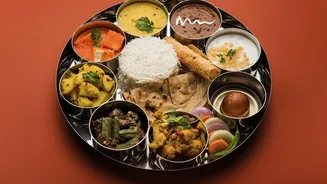
A More Diverse and Balanced Thali
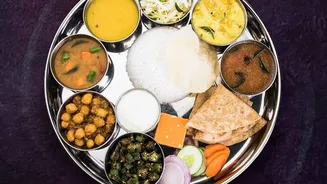
Variety on the festive table is also being redefined. Instead of a dozen different fried items, the new festive thali boasts a wider array of colours, textures, and nutrients. There's a conscious effort to include more fibre-rich foods, which aid digestion and promote a feeling of fullness. Salads, grilled vegetables, and lean proteins are no longer sidelined; they are becoming central to the feast. There's also a resurgence of traditional whole grains like millets, ragi, and quinoa, which are being incorporated into festive dishes. This diversification ensures that the meal is not just a calorie bomb but a source of balanced nutrition, keeping energy levels stable throughout the celebrations.
A Focus on Digestive Ease
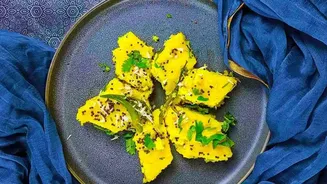
The post-festival feeling of being bloated and uncomfortable has prompted a greater focus on digestive wellness. The conversation is now about not just what you eat, but how it makes you feel. This has led to the adoption of lighter cooking methods like baking, air-frying, and steaming over deep-frying. Ingredients known for their digestive benefits are also being consciously included. Spices like ginger, fennel, and cardamom are being celebrated not just for their flavour but for their ability to aid digestion. Staying hydrated by drinking plenty of water is another simple yet effective strategy being emphasized to prevent overeating and help the digestive system function smoothly during a season of rich foods.
Reimagining Traditional Sweets
No Indian festival is complete without mithai, but here too, a healthy evolution is taking place. There is a marked trend of moving away from refined white sugar towards natural sweeteners. Chefs and home cooks are experimenting with jaggery, dates, figs, and honey to create traditional sweets with a lower glycemic index. Many are also making sweets at home to control the quality and quantity of ingredients used. Recipes are being tweaked to include nutrient-dense additions like nuts, seeds, and whole grains, turning a simple sweet into a more wholesome treat. For example, a traditional modak can be a healthier choice when it is steamed instead of fried and made with coconut and jaggery.