



A Return to Culinary Roots
In an era of instant noodles and quick-service restaurants, a growing movement is seeing Indian home cooks purposefully turning away from processed foods. They are instead reaching for age-old regional recipes, valuing tradition not just for nostalgia,
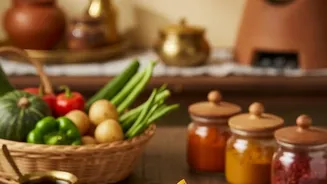
but for tangible health benefits. This trend is a conscious decision to reclaim ancestral food wisdom, which has always emphasized local, seasonal ingredients and holistic well-being. The modern Indian kitchen is witnessing a renaissance, where ancient grains, forgotten vegetables, and traditional cooking methods are being celebrated once again as the foundation of a truly healthy diet.
Beyond the Pan-Indian Menu
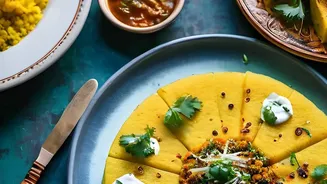
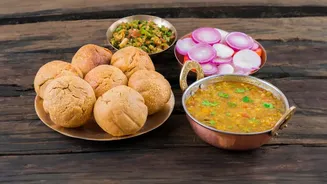
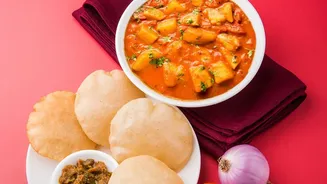
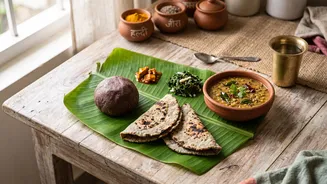
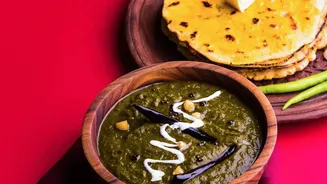
This culinary shift is about celebrating diversity. It moves beyond the globally recognized dishes like butter chicken or paneer tikka to explore the vast, nuanced world of India's regional cuisines. From the fermented foods of the South like idli and dosa that boost gut health, to the millet-based flatbreads of Maharashtra and Rajasthan, cooks are exploring recipes tailored to their local climates and nutritional needs. These meals inherently feature a balanced mix of lentils, vegetables, whole grains, and spices, offering a complete nutritional profile that modern diets often lack. The focus is on honouring the ingredients and preparation techniques unique to each state, from a Kerala-style Avial to a Bengali fish curry, creating a richer and more varied dining experience at home.
The Science Behind Grandma's Wisdom
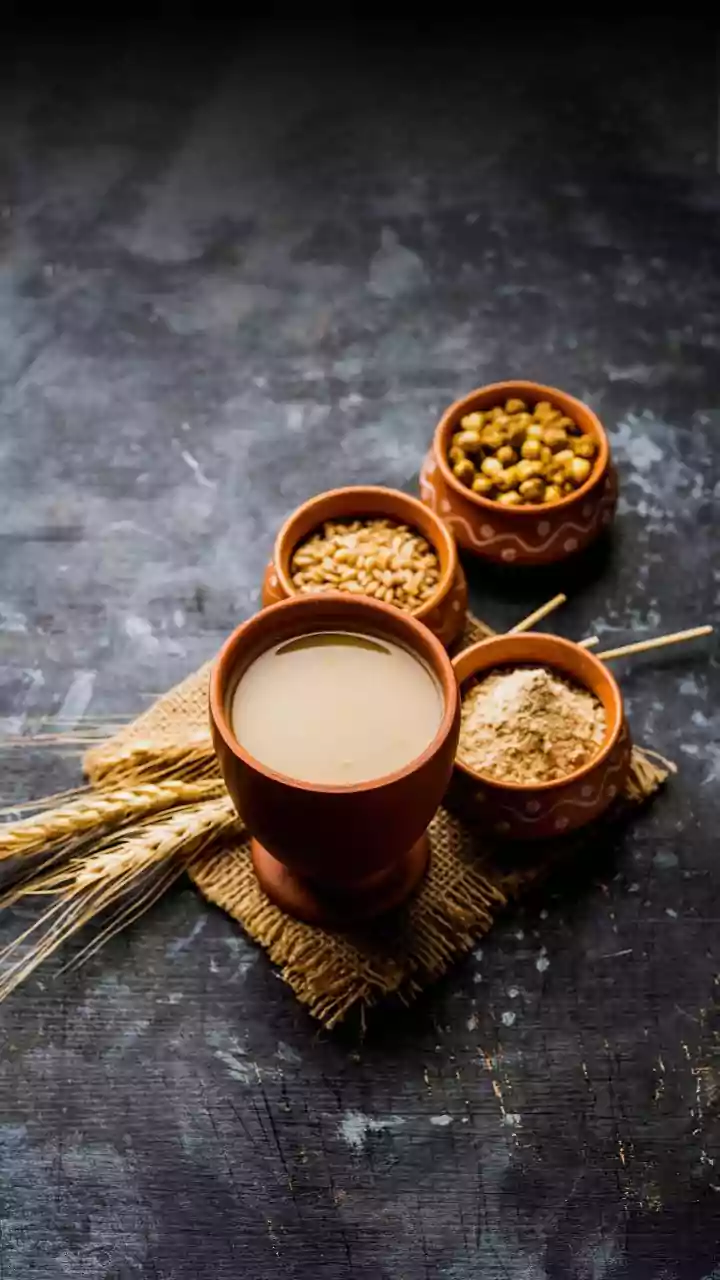
What was once passed down as simple family advice is now being validated by modern nutritional science. Traditional Indian cooking practices are inherently healthy. Spices like turmeric, ginger, and cumin, used for centuries, are now celebrated for their powerful anti-inflammatory and digestive benefits. The comeback of millets like jowar, bajra, and ragi is another key aspect. These 'ancient grains', once sidelined by the Green Revolution's focus on wheat and rice, are now recognized as nutritional powerhouses—rich in fibre, protein, and essential micronutrients. Fermented foods like homemade dahi (curd) and kanji are being rediscovered as natural, potent probiotics, crucial for gut health. This return to tradition is essentially a return to a diet that is naturally high in nutrients and low in processed ingredients.
Digital Influencers and Ancient Recipes
Interestingly, this revival is being fuelled by a very modern tool: social media. A new generation of food bloggers and Instagram influencers is playing a crucial role in making these traditional recipes accessible and appealing. They are documenting rare family recipes, demonstrating forgotten techniques, and presenting regional dishes in a fresh, engaging way. Platforms like YouTube and Instagram have become virtual encyclopedias of Indian culinary heritage, where a home cook in a city apartment can learn to make a complex regional dish with guidance from a creator hundreds of miles away. This digital movement has helped demystify regional cooking and has built a vibrant online community dedicated to preserving and sharing India's rich food legacy.