




The Problem with Panic Dieting
The impulse to jump on a crash diet is understandable, but these quick-fix solutions often do more harm than good. Fad diets are typically restrictive, eliminating entire food groups and leading to a stressful cycle of deprivation followed by a rebound.
This destabilises your gut bacteria. Research shows that very-low-calorie diets can profoundly alter the gut microbiome, sometimes increasing the presence of less desirable bacteria. Short-term dieting can leave a lasting negative mark on your gut, making it harder to maintain a healthy weight in the long run. Instead of promoting wellness, this cycle can lead to digestive issues, fatigue, and a strained relationship with food.
Your Gut Is Your 'Second Brain'
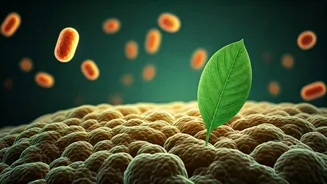
So, what is gut health? It refers to the balance of trillions of microorganisms, including bacteria, that live in your digestive tract. This community is called the gut microbiome. Its influence extends far beyond digestion. The gut and brain are in constant communication through the 'gut-brain axis'. In fact, your gut produces about 90% of your body's serotonin, a key neurotransmitter for feeling happy. An imbalanced gut has been linked to issues like anxiety, low mood, and brain fog, while a healthy, diverse microbiome can contribute to better emotional stability and cognitive function.
Nourish, Don't Restrict
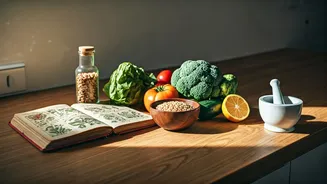
The philosophy behind focusing on gut health is about nourishment, not restriction. It’s about adding beneficial foods rather than drastically cutting things out. The key players are prebiotics and probiotics. Probiotics are the live, beneficial bacteria found in fermented foods. They help maintain a healthy balance in your gut. Prebiotics are types of fibre that your body can't digest but which serve as food for these good bacteria, helping them thrive. A diet rich in prebiotic fibre from diverse plant sources is consistently linked to a healthier and more varied microbiome.
An Indian Approach to Gut Wellness
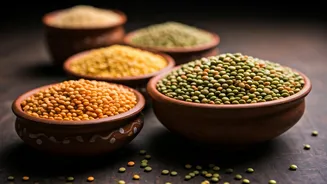
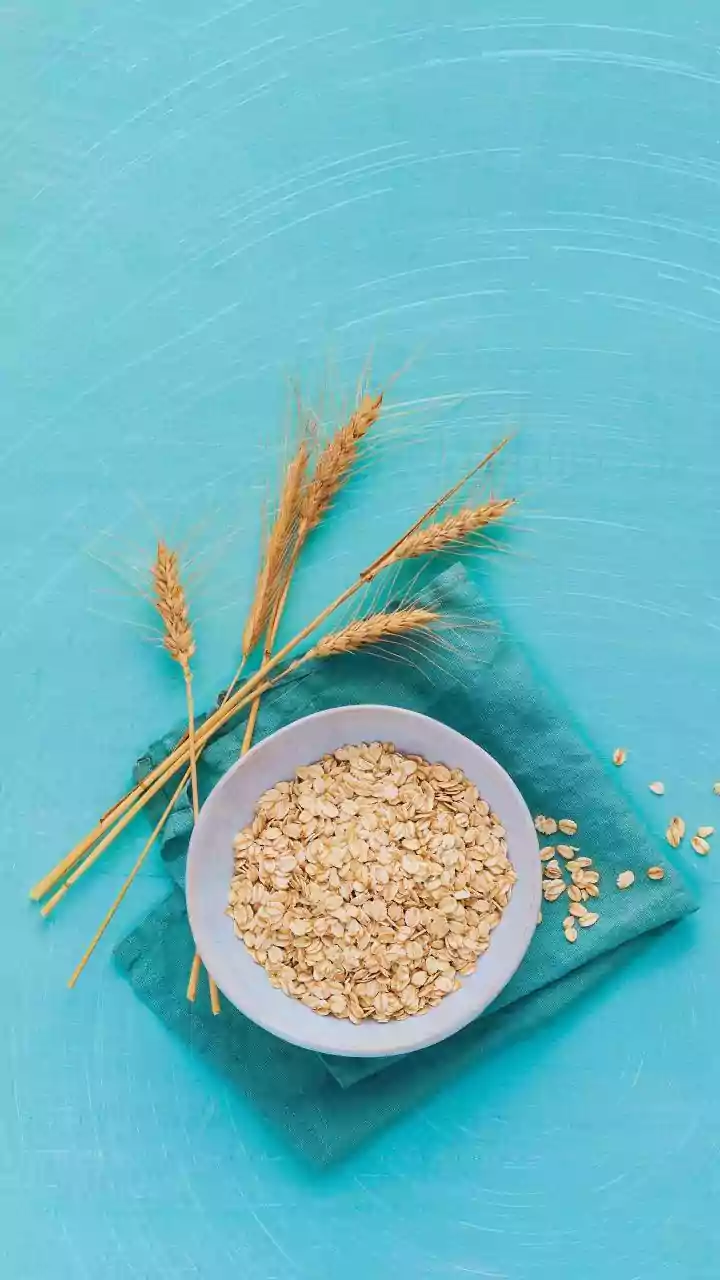
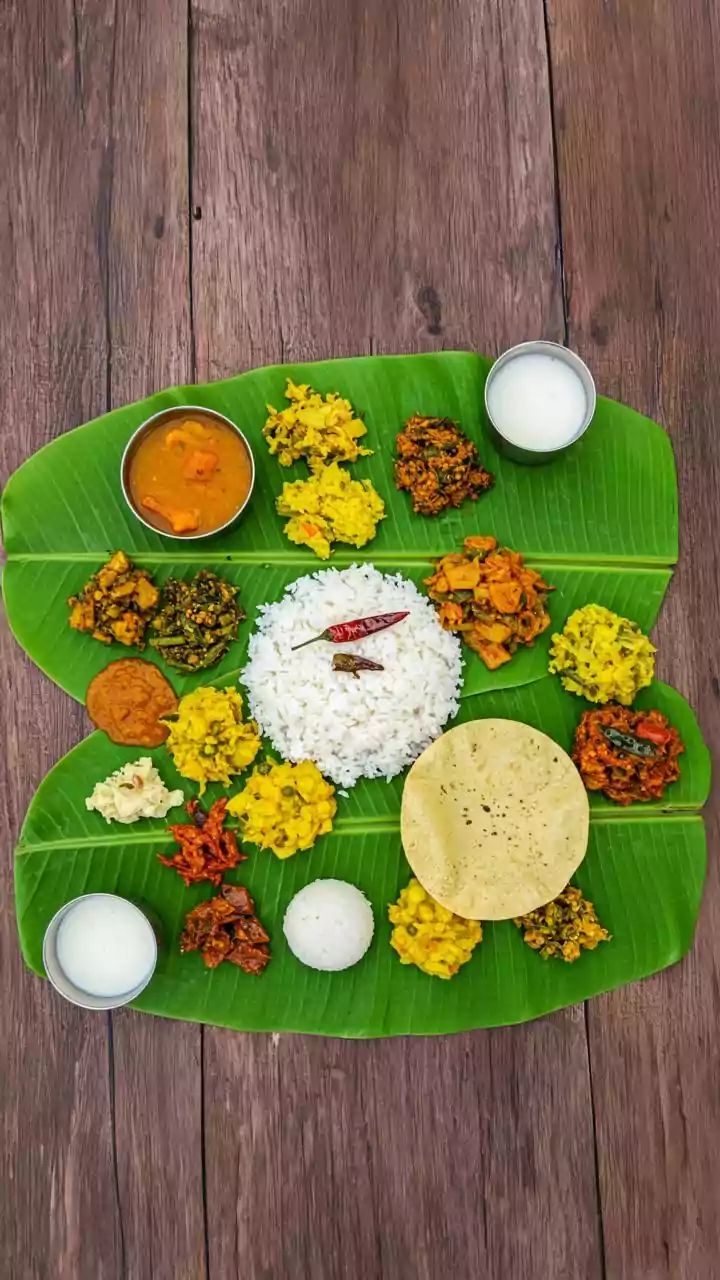
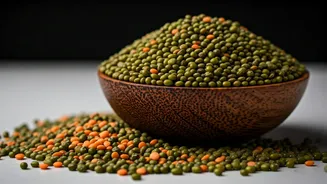
Fortunately, traditional Indian cuisine is naturally rich in foods that support a healthy gut. Probiotic powerhouses like Dahi (curd) and Chaas (buttermilk) are staples. Fermented foods like Idli, Dosa, and Dhokla, made from rice and lentil batters, are excellent sources of both prebiotics and probiotics. For prebiotics, focus on fibre-rich whole grains like jowar and bajra, lentils and pulses, and vegetables like onions and garlic. Spices such as ginger, turmeric, and cumin (jeera) also have anti-inflammatory and digestive benefits that contribute to a happy gut.
Beyond the Food on Your Plate
While diet is crucial, it's not the only factor. Chronic stress can negatively impact your gut-brain axis and lead to inflammation. Incorporating stress-management techniques like meditation or simple deep-breathing exercises can make a significant difference. Regular, moderate exercise, even a brisk walk, helps stimulate digestion and supports overall gut health. Prioritising quality sleep is also vital, as the gut microbiome appears to reset and repair itself while you rest. Finally, staying well-hydrated is fundamental, as water helps flush toxins and keeps everything moving smoothly through your digestive system.