



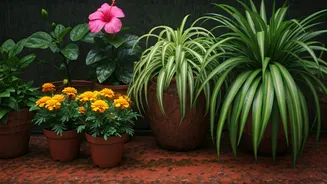


Why Monsoon Is the Perfect Start
If you've been hesitant to bring home a plant, fearing you lack a 'green thumb', the rainy season is your ally. The high humidity, cooler temperatures, and naturally soft rainwater create ideal growing conditions. Plants experience an accelerated growth
spurt, and the moist soil helps new roots establish themselves quickly. This forgiving environment means your new green friends are more likely to thrive, even with a few beginner mistakes. The monsoon essentially gives you a head start, making plant care simpler and more rewarding.
The Nearly Indestructible Snake Plant
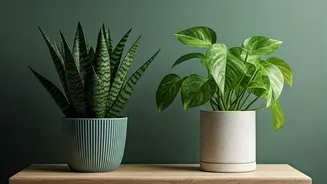
The Snake Plant (Sansevieria) is the ultimate beginner's plant because it thrives on neglect. Its stiff, vertical leaves make a modern statement in any room. It tolerates low light, infrequent watering, and purifies the air by releasing oxygen at night, making it perfect for bedrooms. During the monsoon, its water needs are even lower. The main rule is to avoid overwatering, as this can cause root rot. Water only when the soil is completely dry, which might be just once every 3-4 weeks during the humid rainy season. Its resilience to changing weather makes it a top choice for Indian homes.
The ZZ Plant: Shiny and Shamefully Easy
The Zamioculcas zamiifolia, or ZZ Plant, is another hero for the forgetful plant owner. Its wide, glossy, dark green leaves look perpetually polished and it is famous for surviving neglect. The ZZ plant is drought-tolerant because it stores water in its underground rhizomes. It thrives in low-light conditions, making it ideal for apartments or office desks. During the monsoon, be extra cautious not to overwater. Like the snake plant, the ZZ plant is prone to root rot in soggy soil. Let the soil dry out completely between waterings, and its low-maintenance nature will reward you with lush foliage.
The Money Plant: A Fast-Growing Favourite
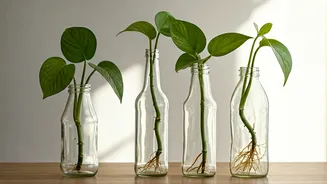
The Money Plant (Pothos or Epipremnum aureum) is arguably the most popular indoor plant in India for a reason. It’s incredibly easy to grow, whether in soil or a simple bottle of water. Its heart-shaped leaves grow on trailing vines that can be hung in baskets or trained to climb. This plant is very forgiving if you forget to water it and it thrives in the bright, indirect light common in most homes. During the monsoon, its growth can be vigorous. Pruning the vines will encourage a bushier plant, and the cuttings can be easily propagated to create new plants for free.
The Spider Plant: The Gift That Keeps on Giving
The Spider Plant is a classic, fuss-free houseplant that is perfect for new plant parents. It has arching leaves and produces tiny baby plants, or 'spiderettes', that can be repotted to grow new plants. It prefers bright, indirect light but is adaptable to lower light conditions. The key to a happy spider plant is to let the soil dry out a bit between waterings; it does not like to be soggy. Any brown tips on the leaves can be snipped off. With its fast-growing nature and ability to thrive with minimal attention, it’s a rewarding choice for any beginner.
A Few Monsoon Care Reminders
While the monsoon is a season of growth, the constant humidity brings a few challenges. The biggest mistake is overwatering. With high humidity and less sun, soil stays wet for longer. Always check if the top inch or two of soil is dry before watering your plants. Ensure your pots have good drainage holes to let excess water escape. Wiping dust off the leaves with a damp cloth can also help your plants absorb the limited sunlight more efficiently. Good air circulation is also important to prevent fungal issues.