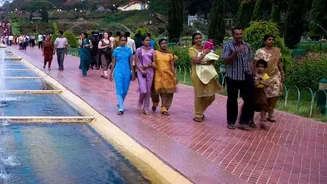








From Treadmills to City Trails
Something has shifted in the urban Indian approach to fitness. For years, the gym was the default setting, a place for scheduled, intense exercise. Now, a more gentle and social alternative is gaining traction from Mumbai's Marine Drive to Bengaluru's
Cubbon Park. On Saturday and Sunday mornings, groups of people from all walks of life are gathering not for punishing boot camps, but for the simple pleasure of walking. This isn’t just about getting from point A to B; it's a conscious move towards 'movement' as a form of wellness, a trend where community and consistency trump intensity. These clubs, often organised informally through social media and messaging apps, are becoming a familiar sight in cities like Delhi, Pune, and Hyderabad, offering a refreshing antidote to the sedentary work week.
The 'Why' Behind the Walk
The rise of walking clubs is driven by a powerful convergence of factors. For many young professionals, it's a direct response to burnout from demanding corporate jobs and a desire to reclaim weekends for something more holistic. The post-pandemic world has also left a deep-seated desire for authentic human connection, which these groups provide in abundance. Unlike a gym, where interactions can be minimal, a shared walk fosters easy conversation and a sense of belonging. Furthermore, it’s an incredibly accessible form of fitness. It requires no expensive membership or equipment, just a comfortable pair of shoes, making it inclusive for people of all ages and fitness levels. This focus on low-impact, sustainable activity aligns with a broader shift in wellness culture from aesthetic goals towards functional health and mental clarity.
More Than Just Counting Steps
To dismiss these groups as just about exercise would be to miss the point entirely. They are emerging as vital 'third places'—social hubs outside of home and work where community is built. Members aren't just tracking their step counts; they are discovering new parts of their city, engaging in heritage walks, exploring nature trails, and forging genuine friendships. Conversations flow freely, covering everything from professional challenges to weekend plans. This social glue is crucial for adherence; people are more likely to stick with an activity when they feel accountable to a group and enjoy the camaraderie. Many groups in cities like Pune and Bengaluru have memberships in the thousands, showing the scale of this demand for community-led activity.
A Pan-India Phenomenon
While the core idea is simple, its expression is uniquely local. In Mumbai, groups might frequent the Bandstand and Carter Road promenades or organise heritage walks through the Fort district. In Delhi, Lodhi Garden and Sanjay Van are popular spots, providing green oases for weekend walkers. Bengaluru's vibrant scene revolves around parks like Cubbon and Lalbagh, with numerous groups catering to different interests, from brisk morning walks to longer weekend hikes on the city's outskirts. These clubs often leverage platforms like Meetup or Instagram to coordinate, making it easy for newcomers to find a group and join. Some are purely for walking, while others combine it with other activities like photography, bird watching, or exploring local eateries, adding another layer of engagement.
How to Join the Movement
For those intrigued by the trend, getting started is straightforward. A quick search on social media or platforms like Meetup for 'walking groups' or 'hiking clubs' in your city will likely yield several options. Organisers stress that newcomers are always welcome and there's no pressure to maintain a certain pace. The advice is simple: start slow, wear comfortable footwear, and be open to conversation. Most groups are happy to have new faces and operate on a no-commitment basis. It's a chance to not only improve physical fitness but also to enhance mental well-being, reduce stress, and see your city in a whole new light, one step at a time.