





The Silent Risks of Sitting Still
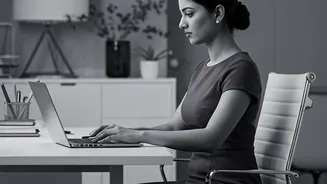
For the millions of people in desk-based roles, sitting for eight hours a day is standard procedure. Unfortunately, the human body wasn't designed for this level of inactivity. Research links prolonged sitting to a host of health problems, including an increased
risk of heart disease, type 2 diabetes, and obesity. This sedentary behaviour can also lead to chronic musculoskeletal issues like back and neck pain, tight hip flexors, and weakened glute muscles. Even if you exercise regularly outside of work, the negative effects of sitting for extended periods remain a significant concern, making it crucial to break the cycle of stillness throughout the workday.
The Power of 'Movement Snacks'
The good news is that countering these risks doesn't require a gym membership or an hour-long workout at lunch. The solution lies in 'movement snacks' — short, two-to-five-minute breaks taken regularly to stand, stretch, and move. Studies show that these brief interruptions can significantly improve well-being and maintain work performance. Taking a short break every hour can reduce fatigue, boost your mood, and increase work engagement. These mini-breaks improve blood circulation, prevent muscle stiffness, and provide a mental reset that can enhance focus and productivity when you return to your tasks.
How to Set Up Your Alarm System
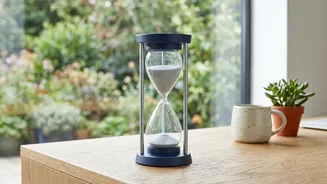
The key to building a sustainable habit is making it effortless. This is where alarm reminders become your best ally. In the flow of a busy workday, it's easy to forget to move, but a simple, recurring alert can provide the necessary nudge. Use your smartphone, smartwatch, or a computer application to set a repeating timer. A study published in the British Journal of Sports Medicine suggests that five-minute movement breaks every hour offer the best balance between well-being and practicality. To avoid 'alarm fatigue', choose a gentle, non-disruptive tone. You can also label the alarm with a positive message like 'Time to move!' or 'Stand and stretch' to reinforce the healthy habit.
Simple Moves for Your Break
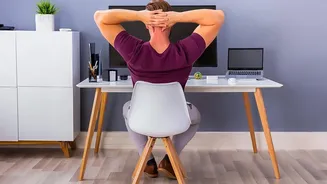
Your hourly break doesn't need to be complicated. The goal is simply to get out of your chair and change your posture. You can perform these simple movements right at your workstation without needing any special equipment: - Neck Stretches: Gently tilt your head from side to side, holding for 10-15 seconds on each side to release neck tension. - Torso Twists: While seated or standing, gently twist your upper body from side to side to mobilise your spine. - Chair Squats: Stand up from your chair and sit back down slowly, without using your hands. Repeat 5-10 times to activate your leg muscles. - Forearm Stretches: Extend one arm and gently pull your fingers back with your other hand to stretch the muscles used for typing. - Walk a Lap: Simply walking to the water cooler, another department, or taking a lap around the office floor gets your blood flowing.
Making the Movement Habit Stick
Creating a lasting habit is about more than just setting an alarm. To ensure your new routine becomes second nature, start small and be consistent. Don't feel pressured to do a full five minutes at first; even one minute of stretching is a victory. Link your new habit to an existing one — for example, stand up and stretch every time you finish a phone call or send an email. If possible, enlist a colleague to join you. Having a 'movement buddy' can provide motivation and accountability. Over time, these small, deliberate actions will become an automatic part of your workday, leading to significant long-term health benefits without disrupting your productivity.