



Understanding the Hyper-Palatable Trap
Those intensely craveable snacks are what food scientists call “hyper-palatable.” They are engineered with precise combinations of fat, sugar, and sodium to hit a “bliss point” that natural foods rarely achieve. This creates a powerful sensory experience
that can light up the brain's reward system, making you want more and more. It’s not a lack of willpower that makes them hard to resist; it's a feature of their design. These foods are often stripped of fibre and other nutrients that signal fullness, which is why it’s so easy to overeat them. Understanding this mechanism is the first step toward breaking free, as it reframes the issue from personal failure to a predictable biological response.
Embrace the 'Whole Foods' Philosophy
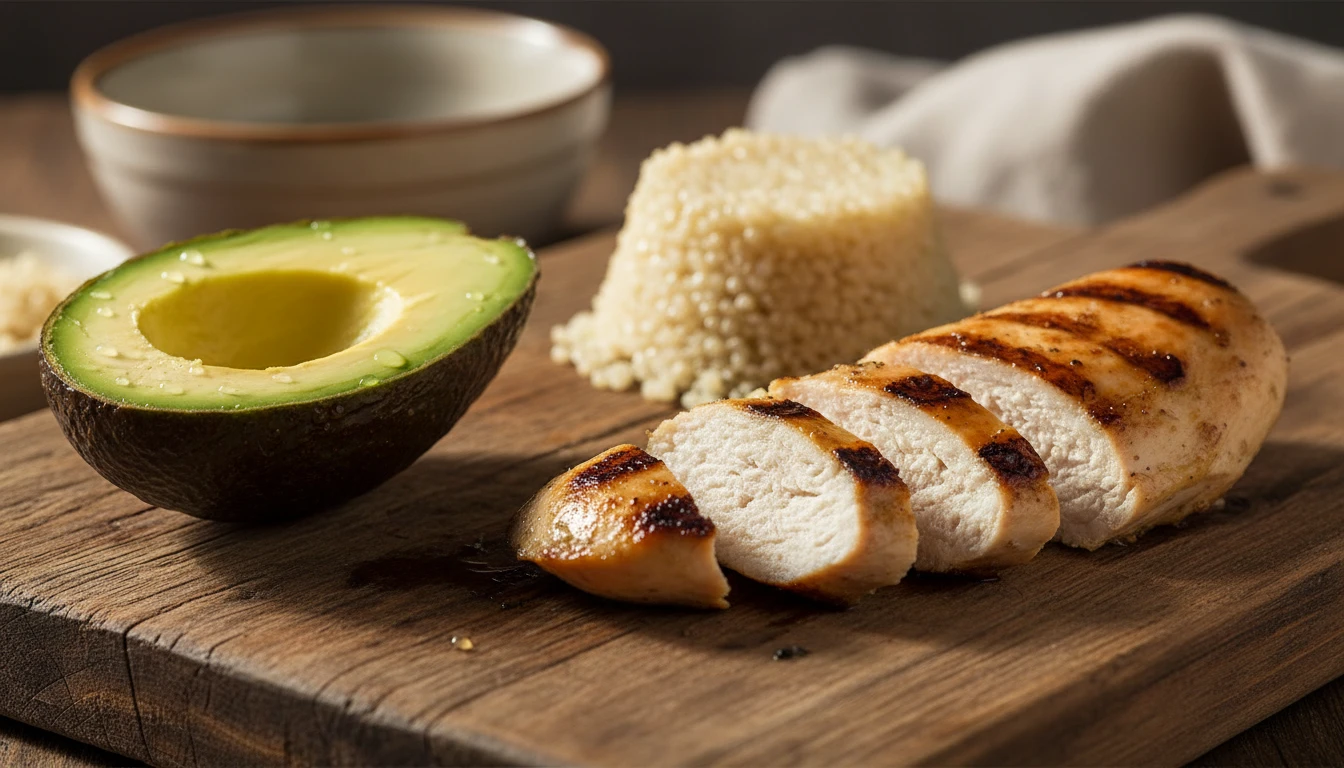
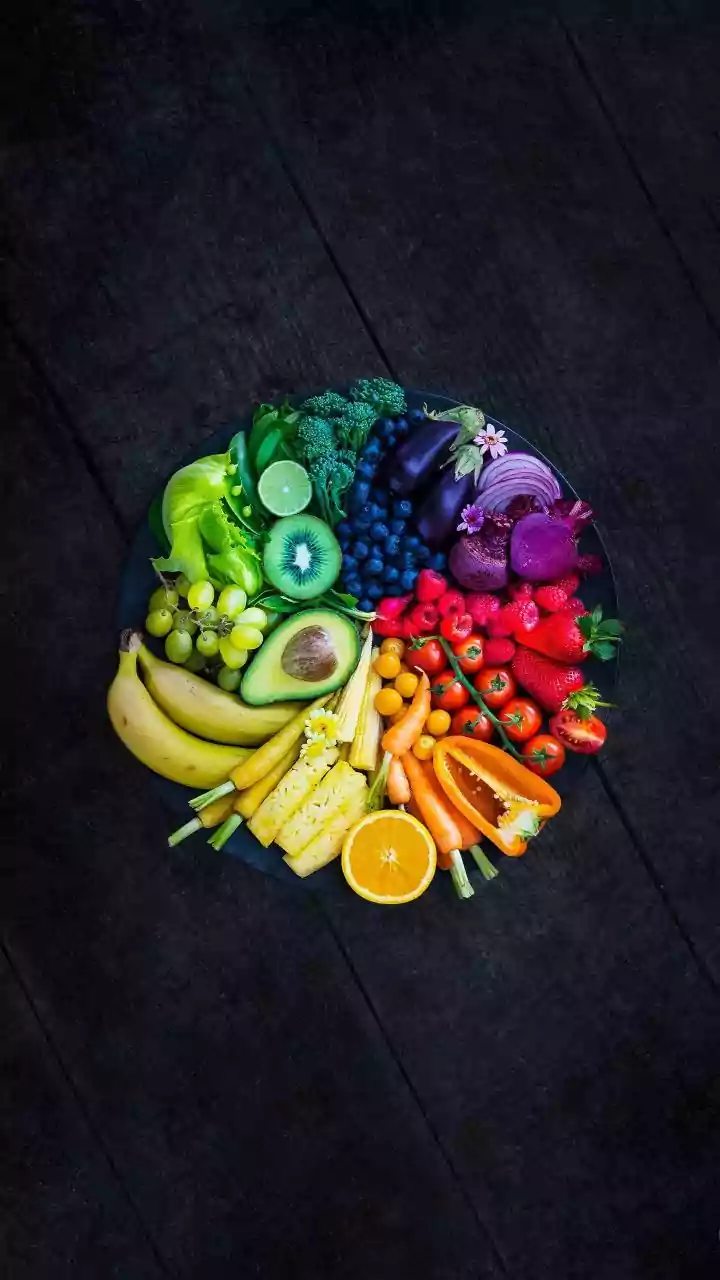
The key to retraining your palate is embracing whole foods. This doesn't necessarily mean shopping exclusively at a store with that name, but rather focusing on foods that are minimally processed and close to their natural state. Think fruits, vegetables, whole grains, legumes, nuts, and seeds. These foods have a complex nutritional profile, packed with fibre, vitamins, and minerals that work together. Unlike their processed counterparts, which deliver a simple, intense hit of flavour, whole foods offer more subtle and varied tastes. Their fibre content also promotes feelings of fullness and supports a healthy digestive system, which can help reduce cravings over time.
The 'Crowding Out' Method
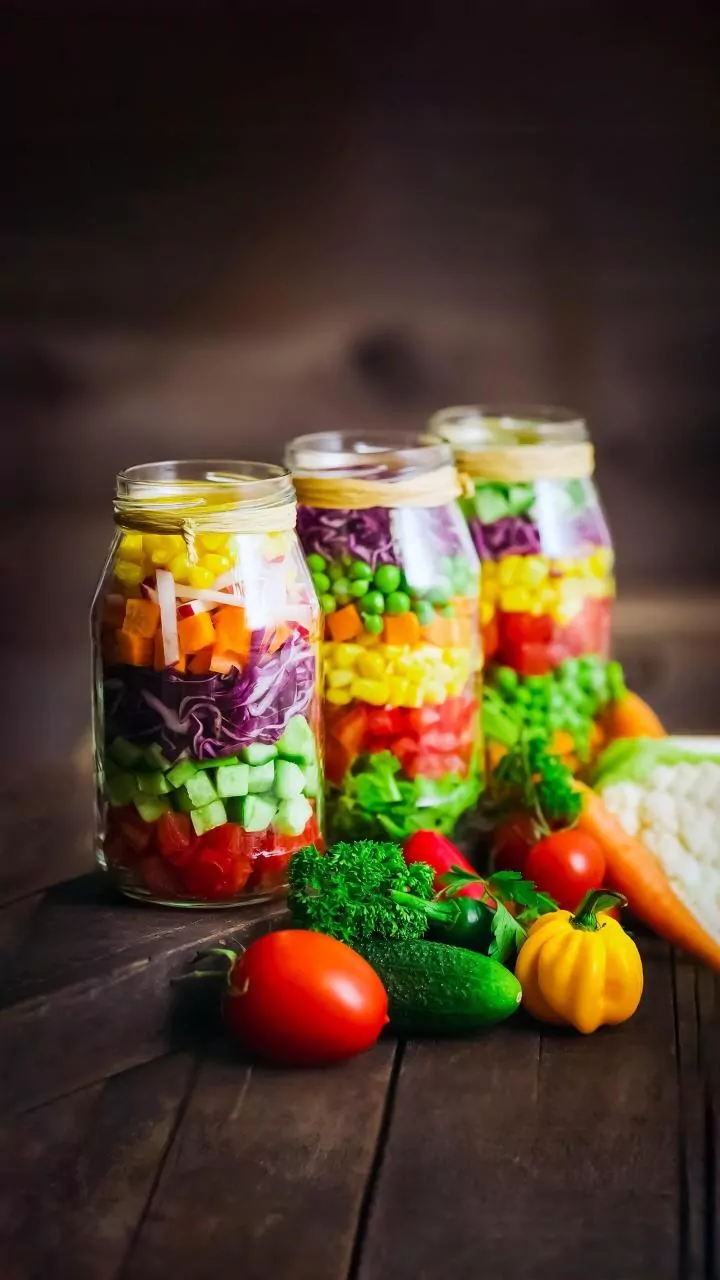
Instead of a restrictive mindset focused on what you can't eat, try the “crowding out” method. The idea is simple: focus on adding more nutrient-dense whole foods to your diet. As you fill your plate with more vegetables, fruits, and whole grains, you will naturally have less room—and fewer cravings—for processed snacks. Start by adding a side salad to your lunch, snacking on an apple with nut butter, or incorporating more vegetables into your dinner. This gradual, positive approach is more sustainable than drastic elimination diets and helps your preferences evolve naturally.
A Gradual Reduction in Salt and Sugar
Your taste buds can and do adapt. Taste receptor cells regenerate roughly every 10 to 14 days, which means you have a recurring opportunity to reset your palate. The key is to reduce salt and sugar intake gradually. If you take two sugars in your coffee, try one and a half for a week, then one. If you heavily salt your food, try using half the amount and incorporating more herbs and spices for flavour. Over time, your taste buds will become more sensitive to natural flavours. That hyper-sweetened drink will start to taste too sweet, and those overly salty chips will become overpowering as your palate recalibrates to a new, healthier baseline.
Explore a New World of Flavour
This journey isn't about deprivation; it's about discovery. As you reduce your reliance on the simple trifecta of salt, sugar, and fat, you open your palate to a wider world of flavours. Experiment with herbs and spices like basil, turmeric, and cilantro. Explore the five basic tastes: sweet (from fruit), sour (from citrus or vinegar), salty (used sparingly), bitter (from dark leafy greens), and umami (from mushrooms or tomatoes). Cooking from scratch gives you full control over your ingredients and helps you appreciate the nuanced flavours of real food. By practicing mindful eating and truly savouring each bite, you'll find that whole foods offer a more satisfying and complex experience.
Smart Swaps for Common Cravings
When a craving strikes, having a plan is crucial. Instead of fighting the urge to snack, make a healthier swap. Craving something crunchy and salty? Try air-popped popcorn, roasted chickpeas, or a handful of unsalted nuts. Need something sweet? Reach for a piece of fresh fruit, a small bowl of berries with plain yogurt, or a date. These swaps provide the textures and tastes you crave while also delivering fibre, protein, and other essential nutrients that support your body and keep you feeling full longer.