







The Rise of the AI Co-Worker
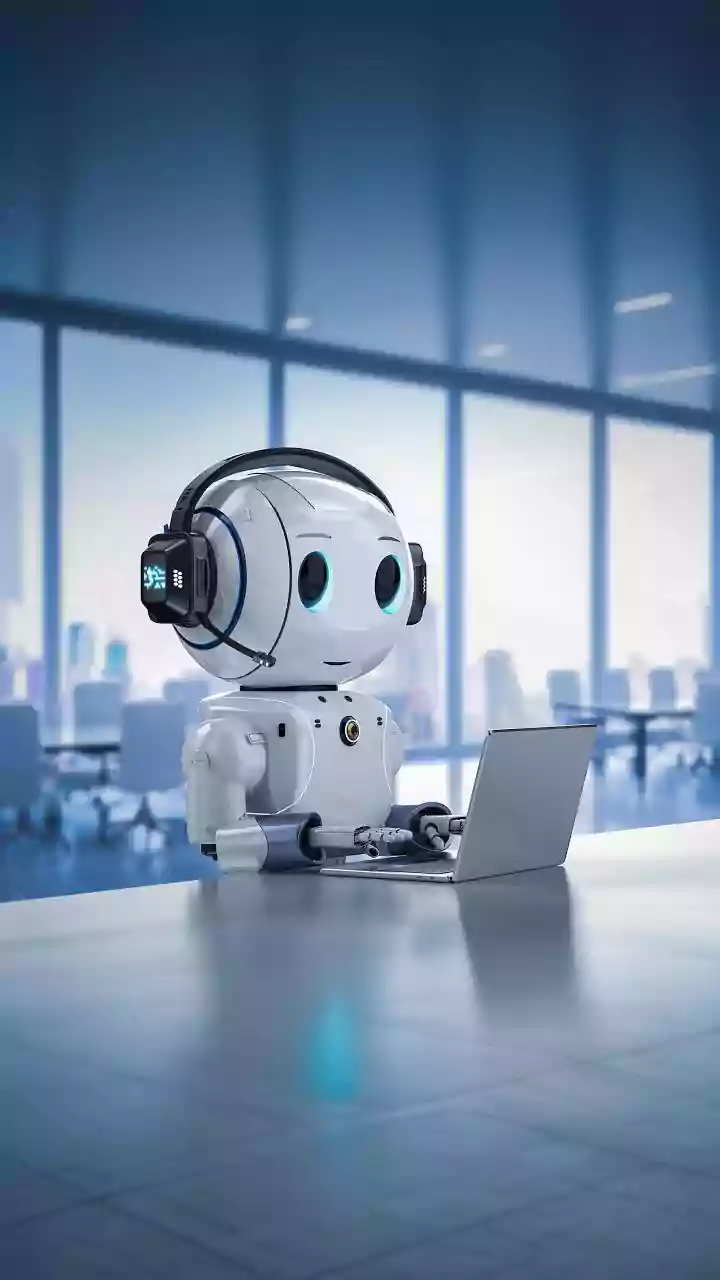
For years, AI in the workplace was a vague concept. Now, it's a feature. Tools like Microsoft Copilot, Google’s Duet AI, and integrated intelligence in platforms like Asana and Slack are no longer science fiction. They are 'workspace AI assistants' designed
to function as digital teammates. They can listen in on a Zoom call and generate a summary with action items, draft a project proposal from a few bullet points, create a Gantt chart based on a list of tasks, and even send automated reminders to team members about upcoming deadlines. Their core promise is simple: to absorb the administrative drudgery that consumes a significant portion of any project’s lifecycle.
Automating the Administrative Burden
The strongest case for AI 'replacing' parts of the project manager's job lies in its ability to handle repetitive, data-driven tasks. A significant part of a PM’s day is spent on what can be called 'project hygiene'—chasing status updates, compiling progress reports, flagging dependencies, and ensuring data is entered correctly. These are necessary but low-value activities in terms of strategic impact. An AI assistant can perform these tasks tirelessly and without error. It can scan every message in a project channel to identify blockers, update dashboards in real-time as tasks are completed, and generate detailed progress reports for stakeholders in seconds. This frees up enormous amounts of time and mental energy.
The Irreplaceable Human Element
However, the headline’s bold claim crumbles when we look beyond the tasks and at the actual role. A great project manager does far more than manage tasks; they manage people, politics, and priorities. Can an AI negotiate with a difficult stakeholder who wants to change the project scope last minute? Can it mediate a conflict between two talented developers with differing opinions? Can it sense when the team is feeling burnt out and needs a morale boost? The answer is a clear no. These core functions—empathy, strategic negotiation, nuanced communication, and inspirational leadership—are deeply human skills. They require an understanding of context, emotion, and unwritten organizational rules that are currently far beyond the reach of any algorithm.
The Project Manager, Reimagined
Instead of replacing project managers, AI assistants will redefine the role. The PM of the near future will not be a task tracker but a strategic orchestrator. By offloading administrative work to their AI assistant, the most effective managers will be able to focus on what truly matters. This means more time spent aligning the project with broader business goals, managing stakeholder relationships, mentoring team members, and creatively solving complex problems. The job title might remain the same, but the job description will evolve. It will become less about 'managing the project' and more about 'leading the people who deliver the project'. The PMs who thrive will be those who embrace AI as a powerful co-pilot, not a threat.
Readying for the AI-Augmented Workplace
For professionals in India’s fast-paced, tech-forward industries, this shift is not a distant possibility but an immediate opportunity. The challenge isn't to resist AI, but to learn how to leverage it. Project managers should be actively experimenting with these new tools, understanding their capabilities and limitations. Companies, in turn, need to invest in upskilling their teams, focusing on the strategic and interpersonal skills that AI cannot replicate. The most successful organisations will be those that build hybrid teams where human talent is amplified, not replaced, by artificial intelligence.