




The contents of India’s festive gift boxes are changing. Once dominated by sweets and mass-produced novelties, a new trend is taking over. More and more, people are gifting items that are not just beautiful, but also kind to the planet.
A Nationwide Shift to Mindful Giving
Across India, a significant
shift in consumer attitude is reshaping festive traditions. What was once a niche interest has become a mainstream movement, with eco-friendly and sustainable products gaining immense popularity for gifting during festivals like Diwali, Christmas, and Eid. According to a Hansa Research report from 2025, sustainability is a major purchase driver, with 78% of consumers stating a preference for eco-friendly options. This isn't just a fleeting trend; it reflects a deeper change in societal values, where the environmental and ethical impact of a gift is becoming as important as the gift itself. Consumers, particularly in urban areas, are increasingly aware of issues like waste generation and are actively seeking ways to celebrate more responsibly. This has propelled sustainable gifting from a thoughtful alternative to a preferred choice for many.
What Makes a Gift 'Sustainable'?
The term 'sustainable' covers a wide range of products that are thoughtfully designed and produced. This includes items that are handmade, upcycled, ethically sourced, biodegradable, or promote a zero-waste lifestyle. Examples are plentiful and creative, ranging from hand-poured soy wax candles in reusable jars to plantable stationery that grows into herbs or flowers. Many Indian brands now offer curated hampers filled with goods like organic foods, bamboo desk accessories, jute bags, and cork-based products. The focus is on durability and purpose over disposability. A handcrafted metal lamp or a set of stainless steel containers is valued because it is built to last, directly countering the culture of single-use plastics and disposable packaging that creates enormous waste during festival seasons.
The Gen Z and Millennial Influence
Younger generations are at the forefront of this green wave. For many Millennials and Gen Z consumers, sustainability isn't a choice but a non-negotiable value. Having grown up with widespread awareness of climate change, they are more inclined to support brands that align with their principles. This demographic seeks authenticity and purpose-driven consumption; they want to know the story behind a product. Gifting a sustainable product becomes an expression of their personal values. This has led to a boom in small, local, and artisanal brands that offer transparency in their sourcing and production methods, from women-led enterprises making macrame decor to social ventures creating upcycled accessories. For these consumers, a gift's true value lies in its positive impact on both the recipient and the planet.
More Than EcoFriendly, It's 'Thoughtful'
The appeal of sustainable gifts also lies in the message they send: that of thoughtfulness and care. Choosing a handmade or unique ecofriendly item often requires more effort than picking up a generic gift box. It shows the giver has considered the recipient's values and lifestyle. This shift is also visible in corporate gifting, a market estimated at ₹12,000 crores where some reports indicate a preference of up to 80% for ecofriendly options. Companies are realising that sustainable gifts reflect their own corporate values of responsibility and forwardthinking. Whether it's a personal gift or a corporate one, a sustainable item tells a story, making the gesture more memorable and meaningful than a massproduced alternative.
The Rise of Local and Artisanal Brands
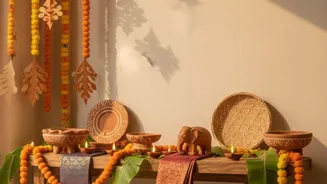
The growing demand for sustainable gifts has fuelled a vibrant ecosystem of local businesses and artisans across India. From Himalayan wellness hampers featuring raw honey and herbal teas to plantable 'seed candles', Indian entrepreneurs are innovating with ecoconscious products. Brands like Plantables, ScrapShala, and Almitra Sustainables are becoming household names for those seeking unique, earthfriendly presents. This trend not only provides consumers with better choices but also supports local economies and traditional crafts. By opting for a handmade terracotta diya or a handloom textile, consumers are helping preserve cultural heritage while making a sustainable choice. This connection to local craftsmanship adds another layer of meaning to the act of giving.