



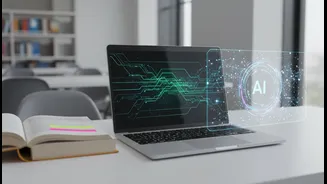


Beyond the Basic Spell-Check
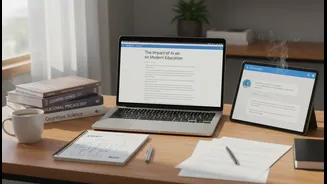
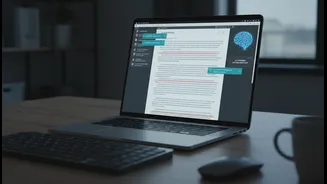
Forget the simple red underline for a typo. The new generation of AI-powered writing assistants are sophisticated co-editors. Tools like Grammarly, QuillBot, and even generative AI like ChatGPT and Google Gemini are being used for much more than just
grammar. They offer suggestions on tone, clarity, sentence structure, and style. For students across India, especially those writing in English as a second language for academic or international purposes, these tools act as an instant feedback mechanism, helping them polish their work before it ever reaches a professor's desk. They can rephrase clunky sentences, suggest more academic vocabulary, and ensure the writing is clear and concise, providing a layer of review that was once only available from a human reader.
A 24/7 Personal Writing Tutor
One of the biggest advantages driving student adoption is accessibility. Unlike a professor with limited office hours or a peer who might be just as busy, an AI tool is available anytime. Students report using these tools to brainstorm ideas, structure their arguments, and even create reverse outlines of their drafts to check for logical flow. This instant, on-demand support helps reduce the stress and isolation that often come with academic writing. For many, it’s like having a personal tutor who can patiently review draft after draft, helping to build confidence and improve writing quality through iterative feedback. This process allows students to focus more on the core ideas and substance of their work, leaving the finer points of proofreading to their digital assistant.
The Fine Line Between Assistance and Cheating
The rise of these powerful tools brings a critical question to the forefront: where is the line between a helpful tool and academic dishonesty? Many universities are grappling with this issue, with policies often varying from one instructor to another. While using AI for grammar checks or to refine one's own ideas is often seen as acceptable, using it to generate entire essays is widely considered plagiarism. Some educators worry that an over-reliance on AI could lead to a decline in critical thinking and writing skills, producing work that is grammatically correct but lacks a unique voice or personality. In fact, some universities now classify advanced editing tools like Grammarly as generative AI, meaning their use might be prohibited unless explicitly allowed by an instructor.
Educators Adapt to a New Reality
Rather than an outright ban, many educators are shifting their approach. The focus is moving toward teaching students how to use these tools ethically and effectively as part of the learning process. Some professors are now designing assignments that are less susceptible to being completed entirely by AI, focusing more on personal reflection, in-class work, and complex reasoning. The conversation in academia is changing from whether AI should be allowed, to how it can be responsibly integrated. The goal is to harness AI's potential to support learning and save time on minor corrections, allowing instructors to focus on evaluating the student's actual arguments and intellectual engagement with the topic.