






What's on the New Menu?
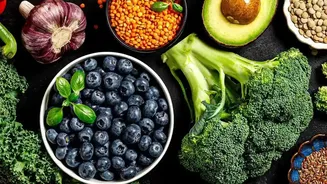
The new directive prioritises nutritious, local, and traditional Maharashtrian cuisine. Instead of fried and processed snacks, government employees will now be served options like seasonal fruits, boiled eggs, and boiled sprouts. For short meetings, snacks will include
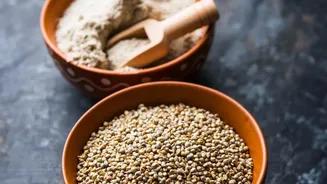
roasted chickpeas, nuts, and seeds. Beverages are also getting a healthy makeover, with coconut water, buttermilk, solkadhi, and unsweetened green or herbal tea replacing sugary drinks. The changes extend to full meals served during longer programs, which will now feature bhakris made from millets like jowar, bajra, and ragi, alongside hand-pounded rice, dals, leafy vegetables, and salads. The new menus will be designed according to guidelines from the Indian Council of Medical Research-National Institute of Nutrition (ICMR-NIN) and the FSSAI.
Farewell to Fried Favourites
The government circular explicitly calls for reducing the amount of oily and highly processed foods. This means mainstays of meeting culture like batata vadas, pakodas, cutlets, and biscuits are being phased out. The goal is to gradually eliminate ultra-processed items and those containing excessive sugar, salt, and unhealthy fats from government canteens and events. This move has already been piloted in the Mantralaya canteen, where the introduction of healthier options successfully reduced the proportion of oily snacks being served. The policy will now be rolled out across all government and semi-government offices in the state, with new catering contracts required to include these healthy menu provisions.
The 'Why' Behind the Health Push
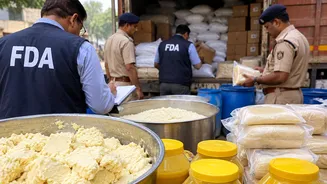
This dietary shift is part of a broader strategy to tackle the rising incidence of non-communicable and lifestyle-related diseases such as diabetes, hypertension, and obesity. By making nutritious food the default option, the government aims to foster a healthier lifestyle among its employees and set a public example. Officials noted that the policy will "nudge the government machinery to adopt a nutritious, wholesome diet, thereby kick-starting a similar cultural shift in society". The decision follows a similar, recent move by the Maharashtra Food and Drug Administration (FDA) to ban the sale of junk food, including vada pav and samosas, within a 50-metre radius of all schools in the state to promote healthier habits among children.
Promoting Millets and Local Produce
Beyond the immediate health benefits, the new policy is a significant boost for local agriculture. The emphasis on traditional grains like jowar, bajra, and ragi (nachni) aligns with national efforts to promote millets, which are not only nutritious but also climate-resilient crops that support small farmers. The menu will give priority to locally available seasonal fruits and vegetables, such as bananas, guavas, and papayas. By creating a large and consistent demand for these products within its own offices, the state government is effectively supporting local farmers and food systems. This focus on traditional ingredients also serves to preserve and promote Maharashtra's rich culinary heritage.