


Rajasthan's Open-Air Art Gallery
The Shekhawati region, comprising districts like Jhunjhunu, Sikar, and Churu, is gaining attention as part of Rajasthan's push to promote emerging destinations. Historically a prosperous trade hub on the caravan routes, its wealthy Marwari merchants built
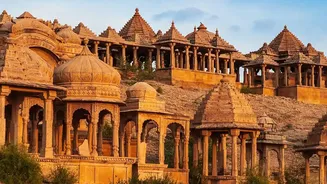
grand mansions, or havelis, between the 18th and early 20th centuries. What makes this region unique is that these merchants commissioned artists to cover nearly every surface of their homes with intricate fresco paintings. The result is an area often called the “world’s largest open-air art gallery,” where entire towns feel like living museums. The paintings depict a wide array of subjects, from mythological scenes of Lord Krishna and Rama to portrayals of modern marvels of the time, such as steam trains and British colonials.
The Must-Visit Towns of Shekhawati
Your Shekhawati exploration will take you through a cluster of fascinating towns, each with its own unique collection of architectural treasures. Mandawa is often the most popular base for tourists, known for its imposing Mandawa Fort (now a heritage hotel) and numerous havelis like the Jhunjhunwala Haveli and Goenka Double Haveli. Not far from Mandawa is Nawalgarh, considered a hub for some of the finest frescoes. Here, the Dr. Ramnath A. Podar Haveli Museum offers a curated look into the region's art and culture. Fatehpur, another key town, is home to stunning havelis like the Nadine Le Prince Haveli, which was restored by a French artist. Other important stops on the circuit include Dundlod, famous for its fort and Marwari horses, and Ramgarh, which was once one of the richest towns in the area.
Crafting Your Shekhawati Itinerary
Given the cluster of towns, planning a route is essential. A minimum of three days is recommended to do justice to the region's main sights. Most travelers use either Mandawa or Nawalgarh as their base. A common route starts from Mandawa, covering nearby Fatehpur and Ramgarh before returning. Another popular circuit connects Mandawa with Mukundgarh, Dundlod, and Nawalgarh. Hiring a car and driver for the entire duration of your trip is the most convenient way to navigate the region, as public transport between the smaller towns can be limited. You can easily book a car from major hubs like Jaipur (approximately 170 km away) or Delhi (around 250 km away). These cities also have the nearest major airports and railway stations, providing the primary access points to the Shekhawati region.
Practical Tips for Your Trip
The best time to visit Shekhawati is during the winter months, from October to March. During this period, the weather is pleasantly cool and ideal for walking around and exploring the havelis. Summers, from April to June, are extremely hot and best avoided. Accommodation options are plentiful and add to the experience. Many havelis have been converted into heritage hotels, offering an authentic stay that immerses you in the region's history. Options range from luxury properties like Alsisar Mahal to charming mid-range haveli hotels in Mandawa and Nawalgarh. While exploring, remember that many havelis are still privately owned. Some have caretakers who may allow you inside for a small fee, while others have been turned into dedicated museums with fixed entry tickets.