




What is ‘Swicy’ and Why Is It Suddenly Official?
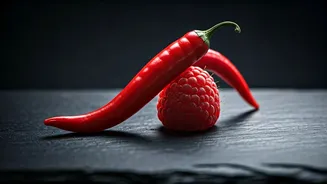
‘Swicy’ is a portmanteau of ‘sweet’ and ‘spicy’, describing a flavour profile that marries the comforting notes of sugar with the thrilling kick of chilli heat. [11] The term, which began bubbling up on social media platforms in the early 2020s, has now
cemented its place in the global lexicon. [11] Its journey to ‘official’ status has been marked by its inclusion in trend reports, mentions by dictionary houses like Merriam-Webster, and even being trademarked by major food giants like Lay's in 2026. [12, 13] This formal recognition signifies that what was once a niche descriptor has gone mainstream, with Western chefs and food brands now actively marketing the ‘swicy’ experience, from hot honey on pizzas to spicy lemonades. [9, 13] For the global north, it’s a discovery. For India, it’s just another Tuesday.
India: The Original Home of Swicy
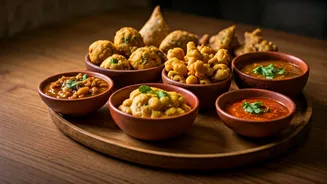
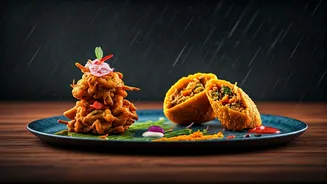
Long before ‘swicy’ became a hashtag, it was a way of life in Indian kitchens. The idea that the world is just now catching on is amusing, as Indian cuisine has been perfecting this delicate balance for centuries. [2] The foundation of this flavour philosophy is not a trend but a time-honoured technique. Take our street food, for instance. Chaat is perhaps the original ‘swicy’ superstar. [2] In a single mouthful of Bhel Puri, you experience the sweet tang of tamarind chutney giving way to the sharp heat of green chilli chutney—a complex, layered experience that is the very definition of swicy. [2] It’s a flavour conversation that has been happening on every street corner in the country for generations.
A Taste That Crosses State Lines
This mastery of sweet and spicy isn’t confined to street food; it’s woven into the very fabric of our regional cuisines. In Gujarat, dishes like Undhiyu expertly balance the sweetness of jaggery with the heat of green chillies. [3] Goan cuisine offers the iconic Vindaloo, where jaggery is traditionally used to round out the fiery Kashmiri chillies and sharp vinegar. [7] Even simple, everyday pleasures, like eating guava sprinkled with chilli powder and salt, are a testament to our innate understanding of this flavour dynamic. [4] What the West is packaging as a new sensation, from spicy mango salsa to chilli chocolate, has echoes in the chutneys, pickles, and desserts that are staples in Indian households. [4]
From Our Kitchens to Global Menus
So, what changes now that the flavour profile has a globally recognised name? According to food entrepreneurs, giving it a catchy, marketable name like ‘swicy’ has helped package a familiar Indian concept for a global audience. [4] It provides a vocabulary that allows flavours we've always known to travel and find a place on international menus. [4] The booming popularity of Indo-Chinese food, with restaurant staples like Honey Chilli Paneer and Crispy Honey Chilli Potatoes, is a perfect example of this. These dishes, which beautifully balance sweetness with a spicy kick, have already primed the modern Indian palate for the ‘swicy’ revolution that the world is now embracing. [3]